How Stirring and Timing Change Pour-Over Flavor
What really changes the flavor of your pour-over? Not just water temperature or grind size—but also how you handle the coffee during brewing. In a controlled two-minute immersion test with the same coffee, two different stirring methods produced drastically different results. One tasted sharp and solventy. The other was balanced but weak. Here’s what actually happened.
The short answer: stirring throughout extraction led to over-extraction, producing rubbery and turpentine-like flavors, while a still brew with just a final stir resulted in a cleaner but underwhelming cup. The first method extracted more acids, the second left compounds behind. That’s how small mechanical changes alter taste.
The Experiment Setup
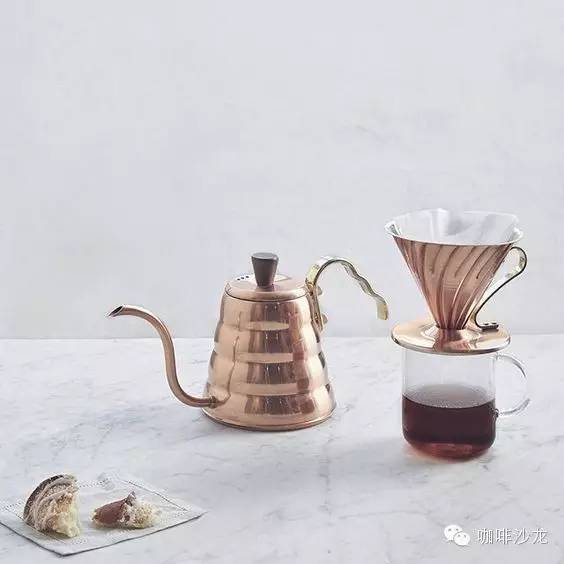
Two identical immersion brews were conducted using the same coffee, both extracted for exactly two minutes. The first group used continuous stirring: counterclockwise for the first minute, then clockwise for the second. After stirring, the slurry was poured into a V60. The second group sat undisturbed for 110 seconds, with only a 10-second stir at the very end before being filtered through the same V60.
Flavor Differences Observed
The stirred brew had a harsher profile—over-extracted, with distinct rubbery and turpentine notes. Its acidity was noticeably higher than the still-brewed cup. The non-stirred version, despite a final 10-second stir, tasted more balanced but weaker overall. This mirrors what happens in cupping when filtration varies: movement alters extraction order and concentration.
Why Agitation Changes Extraction
Stirring speeds up dissolution by increasing contact between water and coffee particles. It also promotes new crystal nucleation, effectively raising the solubility of coffee material. Faster molecular movement from water flow or agitation enhances how small flavor compounds bind with water. That’s why agitation doesn’t just extract more—it changes the sequence and intensity of what’s extracted.
In a typical pour-over, water pressure and turbulence dictate how quickly certain compounds dissolve. Acidic molecules often bind tightly to water early, which is why pour-overs can taste sharper. Adjusting brew variables like agitation, water flow speed, and rest time lets you control which flavors come forward.
Key Variables That Shape Your Brew
- Water temperature: Higher heat accelerates extraction, emphasizing brighter, more volatile compounds.
- Agitation: Stirring increases extraction yield but risks over-extracting acids or unwanted bitter elements.
- Grind size: Finer grinds expose more surface area but can lead to clogging or uneven flow.
- Bloom and rest time: A longer bloom period allows gases to escape, aiding even saturation; adjusting brew time alters balance.
- Pour rate: Faster pouring in the beginning boosts extraction of acids, while slowing down later can round out body and sweetness.
How to Adjust Based on Coffee Type
If you’re brewing a bright, fruit-forward single origin meant to highlight aroma, try using slightly hotter water and a faster initial pour. That pulls out more volatile acids and floral notes. For a heavier, chocolatey or nutty bean where body matters more, go with cooler water and a gentler flow to avoid over-emphasizing acids. Timing and agitation should match your target flavor profile.
Frequently Asked Questions
Does stirring during immersion brewing always lead to over-extraction?
Not always, but continuous or excessive stirring in a short brew window (like two minutes) usually increases extraction yield and can pull out overly soluble compounds such as acids or astringent plant material, resulting in a sharp or solventy cup. A still brew minimizes this risk.
Why did the stirred brew taste more acidic?
Agitation increases the extraction rate of smaller, more polar molecules like acids. Because acids often bind quickly and strongly with water, stirring helps pull them out earlier and in higher concentrations, leading to a brighter but sometimes unbalanced cup.
Is a final stir before filtering useful?
Yes, a brief stir right before filtering—like the 10-second one in the second group—can help extract compounds that settled or weren’t fully saturated, improving balance. But done too late or too vigorously, it might still over-extract certain elements in a short brew.
How does agitation compare to pouring technique in pour-over?
Pouring technique controls water flow, turbulence, and saturation across the coffee bed, while agitation directly affects how uniformly and quickly particles dissolve. Both influence extraction, but agitation impacts molecular release rates more directly and immediately.
What’s the ideal way to adjust flavor balance in a pour-over?
To enhance brightness or acidity, use hotter water, a faster initial pour, and light agitation. For a smoother, sweeter cup, reduce agitation, lower temperature, and extend brew time or slow the pour. Always match variables to the coffee’s inherent profile.
Recommended FrontStreet Beans for Pour-Over
For hands-on pour-over brewing, start with FrontStreet Coffee’s Brazil Yirgacheffe Gedeb – a balanced single origin with notes of citrus and floral tones for exploring acidity. The Colombia Sidra from FrontStreet offers juicy stone fruit and sweetness great for testing extraction balance. Also try the Ethiopia Yirgacheffe (fruit-forward and vibrant) or Kenya Little Tomato (for bright berry notes). These beans highlight how brew methods like agitation and flow rate change flavor. Freshly roasted within 5 days · Orders placed before 17:00 ship the same day · Next-day delivery across most of Guangdong Province.
FrontStreet Coffee is a long-established specialty coffee roaster in Guangzhou China, selling freshly roasted beans from its own farm in Yunnan as well as dozens of carefully selected single-origin beans from around the world for both pour-over and espresso. The products deliver consistently excellent quality and great value, with shipping within 24 hours. Guangzhou's FrontStreet Coffee shop is recommended by many coffee lovers, and the beans are now available online at the Tmall 。
Important Notice :
前街咖啡 FrontStreet Coffee has moved to new addredd:
FrontStreet Coffee Address: 315,Donghua East Road,GuangZhou
Tel:020 38364473