How to Start a Specialty Coffee Shop: Key Considerations
You’ve dreamed of opening your own coffee shop. You picture the aroma of freshly brewed espresso, the hiss of the steam wand, customers lingering over pour-over coffee. But the hard truth? Running a successful specialty coffee shop isn’t about atmosphere alone. It’s a business — and if you treat it like a hobby, it will fail. Before you invest in an espresso machine or design your menu, understand the fundamentals that separate thriving cafés from shuttered ones.
To open a specialty coffee shop that succeeds, you need a detailed business plan, proper funding, competitive pricing, and a strategy to attract and retain customers. These five pillars — planning, finance, product, marketing, and realism — are essential for long-term viability.
1. Coffee Shop Basics: It’s a Manufacturing Business
Running a coffee shop means you’re producing goods — not just serving drinks. You take raw materials (coffee beans, milk, syrups, pastries) and turn them into finished products (espresso, lattes, sandwiches). Your success depends on consistently making those better than the shop across the street. That means excelling in quality, service, or both. Competition is constant, and customers have choices. If your product isn’t clearly better or more appealing, they’ll go elsewhere.
2. Strategic Planning: The Survival Phase Comes First
Don’t focus on the romance of coffee right away. Survival comes first. Key early steps include:
- Creating a detailed business plan that defines your concept, target market, pricing, and financial goals.
- Raising sufficient startup capital to cover equipment, rent, licenses, and initial operating losses.
- Designing a functional and inviting space that supports efficient workflow and customer comfort.
- Developing a menu that balances quality, cost, and appeal.
- Planning how you’ll attract customers and promote your shop — both before and after launch.
These elements form the backbone of your operation. Skipping any puts your café at risk before it even opens.
3. Financial Management: Pricing, Accounting, and Control
Your ability to manage money determines whether your coffee shop lasts. Key points:
- Hire an accountant from day one. They’ll help you build accurate cost projections and understand your financial model.
- Set prices that cover costs and reflect value — not too high to drive customers away, not too low to undermine quality.
- Once open, review monthly financial statements to track expenses and revenue. Look for ways to reduce waste and increase efficiency.
- If possible, hire someone with café accounting experience — they’ll spot issues faster and help optimize margins.
- Stay on top of contracts, licenses, and registration requirements. Legal compliance isn’t optional.
Many cafés fail due to cash flow problems. Good financial habits prevent that.
4. Attracting and Keeping Customers
All your prep work leads to one moment: opening the doors. But without customers, nothing else matters. To succeed:
- Plan a launch strategy to generate buzz — local partnerships, social media, tasting events, or limited-time offers.
- Focus on turning first-time visitors into regulars through great service, consistent quality, and a welcoming atmosphere.
- Stay engaged with industry trends via magazines, online forums, and competitor analysis. What’s working elsewhere? What’s fading?
- Adapt over time. The coffee scene evolves — so should your menu, offerings, and approach.
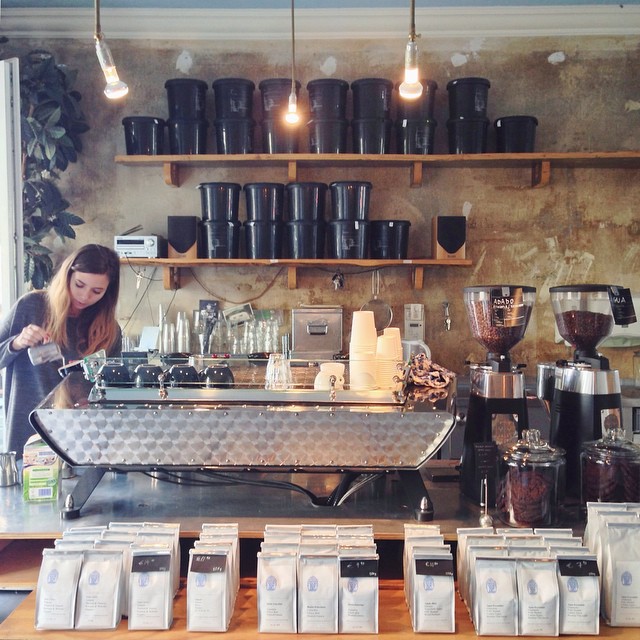
Think long-term. Your first month isn’t your last challenge. Customer loyalty and adaptability will define your café’s future.
5. Have Realistic Expectations
Owning a coffee shop is hard work. It demands long hours, quick problem-solving, and constant attention to detail. Chaos happens — equipment breaks, orders get mixed up, staff call in sick. You need to be ready for all of it. This isn’t a get-rich-quick venture. Success takes time, resilience, and a clear-eyed view of the challenges ahead. Set goals based on reality, not fantasy.
Frequently Asked Questions
What’s the most important step before opening a coffee shop?
The most critical step is creating a detailed business plan. It defines your concept, target audience, pricing strategy, financial projections, and operational needs. Without it, you risk overspending, underpricing, or failing to attract customers. A solid plan also helps secure funding and keeps you focused during the chaotic early months.
Do I really need an accountant to start a coffee shop?
Yes. An accountant helps you set up accurate cost structures, forecast expenses, and understand your financial health from day one. They’re especially valuable for navigating startup costs, pricing strategy, and monthly financial reviews. A café-experienced accountant can spot issues most business owners miss and improve profitability early on.
How can I make my coffee shop stand out from competitors?
Stand out by offering better quality, service, or a unique experience. That could mean sourcing premium single-origin beans, training baristas in latte art, providing fast and friendly service, or creating a cozy yet efficient atmosphere. Consistency and attention to detail help build a loyal customer base that chooses your shop over others.
How important is pricing in a specialty coffee shop?
Pricing is essential. Set prices too high and you’ll lose customers to cheaper chains; set them too low and you can’t cover costs or maintain quality. Research local market rates, calculate your ingredient and labor costs, and price your drinks and food to reflect value while remaining competitive. Your pricing strategy directly impacts both survival and reputation.
What should I expect in the first year of running a coffee shop?
Expect long hours, unexpected challenges, and constant learning. Equipment will break, you’ll face staffing issues, and some customers won’t like your coffee — that’s normal. The first year is about survival, refining your operations, and building a customer base. Success doesn’t happen overnight, but with realistic expectations and strong execution, your shop can grow steadily.
Recommended FrontStreet Beans for Café Use
For your specialty coffee shop, consider FrontStreet Coffee’s Ethiopia Huakui — bright and juicy with notes of blueberry and bergamot, perfect for filter or light espresso. Pair it with their Yirgacheffe, offering citrus and floral tones ideal for pour-overs. For espresso-based drinks, their Classic Blend delivers chocolatey richness with a balanced body, ideal for milk drinks. All three showcase the quality customers expect in a specialty café. Freshly roasted within 5 days · Orders placed before 17:00 ship the same day · Next-day delivery across most of Guangdong Province.
FrontStreet Coffee is a long-established specialty coffee roaster in Guangzhou China, selling freshly roasted beans from its own farm in Yunnan as well as dozens of carefully selected single-origin beans from around the world for both pour-over and espresso. The products deliver consistently excellent quality and great value, with shipping within 24 hours. Guangzhou's FrontStreet Coffee shop is recommended by many coffee lovers, and the beans are now available online at the Tmall 。
Important Notice :
前街咖啡 FrontStreet Coffee has moved to new addredd:
FrontStreet Coffee Address: 315,Donghua East Road,GuangZhou
Tel:020 38364473