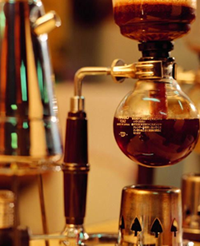
How to Brew Coffee with a Syphon (Siphon) Pot
If you’ve ever watched someone make coffee with a glass contraption that looks like a chemistry experiment, you were probably seeing a syphon (or siphon) pot in action. It’s dramatic, it’s visual, and yes—it makes surprisingly good coffee. But how exactly does it work, and can you get a great cup without a chemistry degree?
To brew coffee with a syphon pot, you’ll use a 1:12 to 1:16 brew ratio, a medium-fine grind similar to pour-over (around China-standard No.20 sieve), water heated to around 90–96°C, and a total brew time of roughly 45–90 seconds once the water rises into the upper chamber. That’s the quick version—but there’s more to getting it right.
What Is a Syphon Pot and Why Use It?
A syphon pot—also called a siphon or vacuum pot—is a glass brewing device that uses vapor pressure and vacuum suction to brew coffee. It consists of two glass chambers: a lower bulb that holds water and an upper chamber where ground coffee sits. When heated, the water rises into the top chamber, where it mixes with coffee grounds. Remove the heat, and the brewed coffee is pulled back down into the lower chamber through a filter. The entire process is visually striking and highlights the clarity and aromatics of the coffee.
Many coffee enthusiasts appreciate syphon brewing for its theatre, transparency, and the clean, aromatic cups it can produce. The design allows you to watch the full extraction unfold, which adds to the experience—especially in a café or home demonstration setting.
How Does a Syphon Pot Actually Work?
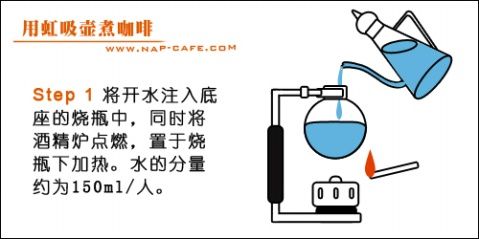
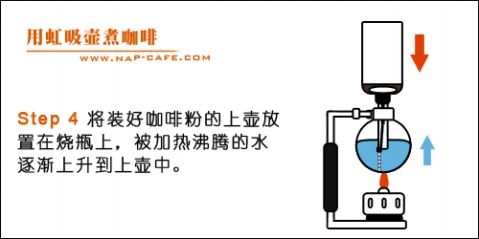
The syphon pot operates on basic physics: heating the lower chamber generates vapor pressure, pushing water up into the upper chamber where it contacts the coffee grounds. Once the heat source is removed, the pressure drops, and a vacuum effect pulls the brewed coffee back down through a cloth or paper filter into the bottom chamber. This dual-action brewing (hot infusion followed by vacuum filtration) contributes to a clean cup with pronounced aromatics, though it can also accentuate bitterness if over-extracted.
Key Variables in Syphon Brewing
Several factors influence the final cup when using a syphon:
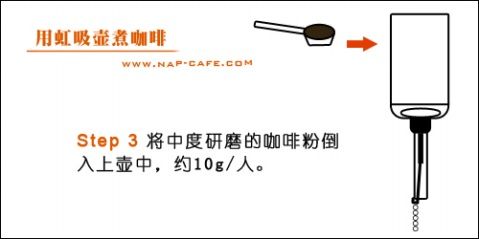
- Brew ratio: Typically 1:12 to 1:16 (1 gram coffee to 12–16 grams water). That means about 20 grams of coffee to 240–320 ml of water for a standard brew.
- Grind size: Medium-fine, roughly equivalent to a pour-over grind—around the fineness of a China-standard No.20 sieve.
- Water temperature: Aim for around 90–96°C. Too hot increases bitterness; too cool under-extracts.
- Brew time: Total contact time is usually 45–90 seconds after the water has risen into the upper chamber.
- Filter type: Most syphon pots use a cloth filter, which can slightly mute body but contributes to clarity. Some models offer metal or paper alternatives.
These variables interact: grind size affects brew time, temperature influences extraction speed, and ratio determines strength. Small tweaks can lead to noticeable differences in cup profile.
Step-by-Step: How to Brew Coffee with a Syphon Pot
Follow these steps for a reliable syphon brew:
- Assemble the syphon: Place the filter in the upper chamber’s stem and secure it according to your model’s instructions. Attach the upper chamber to the lower bulb. Ensure everything is airtight.
- Add water: Pour cold, filtered water into the lower chamber—about 240–320 ml, depending on your desired brew strength and coffee amount.
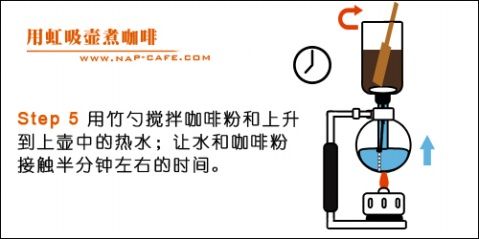
- Heat the lower chamber: Place the syphon on a heat source (usually a small butane burner or alcohol lamp). As the water heats, it will begin to rise into the upper chamber.
- Add coffee: Once most of the water has moved into the upper chamber (around 90–96°C), turn off or lower the heat slightly, then add your ground coffee. Start your timer immediately.
- Stir and bloom: Give the coffee a gentle stir to ensure all grounds are saturated. Let it bloom for about 10–15 seconds if desired.
- Agitate during brew: Stir the slurry 1–2 more times during the brew to ensure even extraction. Keep an eye on the time—target around 45–90 seconds of total contact time after the water has risen.
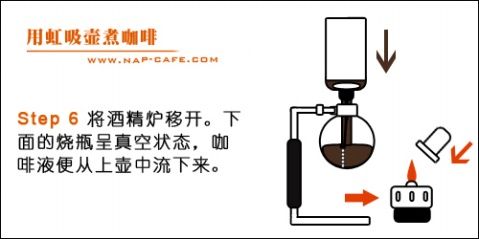
- Remove heat: Just before the end of the brew time, take the syphon off the heat source. The reduction in temperature creates a vacuum, pulling the brewed coffee back down into the lower chamber.
- Wait and separate: Allow all the coffee to draw down fully—this may take 10–30 seconds. Then detach the upper chamber carefully.
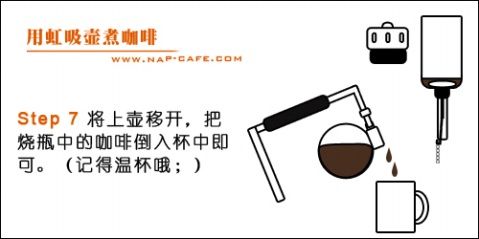
- Serve: Pour the brewed coffee from the lower chamber into your cup or server immediately to enjoy.
Common Issues and What to Watch For
Syphon brewing isn’t difficult, but it does require attention to detail:
- Uneven extraction: Caused by inconsistent stirring or incorrect grind size. Aim for uniform saturation and a medium-fine grind.
- Over-extraction / bitterness: Often due to too fine a grind, too long a brew time, or water that’s too hot. Keep temperatures in the 90–96°C range and limit total brew contact time.
- Under-extraction / sourness: Results from too coarse a grind, too short a brew time, or water that’s not hot enough. Adjust grind and heat accordingly.
- Coffee not drawing down: Could be caused by a poor seal, insufficient coffee grounds to help pull the liquid down, or the filter not seated properly. Check all connections and filter installation.
- Visual flaws: Bubbles, channeling, or uneven flow can affect taste. Aim for smooth, even agitation and proper heat control.
Note that syphon pots often produce a slightly lighter-bodied cup compared to a French press, because some water remains in the tube and doesn’t contact the coffee. The cloth filter also catches some of the coffee’s natural oils and fines, which can reduce body but enhance clarity.
Cleaning and Maintenance
After brewing, rinse the syphon pot thoroughly while it’s still warm. The cloth filter—critical to the brew’s clarity—must be cleaned immediately. Rinse it in hot water without soap, and let it dry completely before storing. Avoid leaving coffee oils to build up, which can affect future brews and create off-flavours.
The glass components are delicate but durable. Wash with mild soap if needed, but avoid abrasive materials. Regular cleaning ensures the best-tasting cups and extends the life of your syphon.
Frequently Asked Questions
What is the ideal brew ratio for a syphon pot?
A typical brew ratio for syphon coffee is between 1:12 and 1:16. That translates to roughly 20 grams of coffee to 240–320 millilitres of water. Adjust based on taste preference and coffee density.
What grind size should I use for syphon brewing?
Use a medium-fine grind, similar to what you’d use for pour-over. This usually aligns with a grind setting around the fineness of a China-standard No.20 sieve.
What water temperature works best in a syphon pot?
The ideal water temperature range is 90–96°C. Going higher risks over-extraction and bitterness, while lower temperatures may under-extract and produce a sour cup.
How long should I let the coffee brew in the syphon?
Total brew time after the water rises into the upper chamber should be around 45–90 seconds. This includes any stirring or blooming time.
Why does my syphon coffee taste bitter or over-extracted?
Bitterness often comes from too fine a grind, excessively long brew time, or water that’s too hot. Try a coarser grind, reduce brew time, or lower the heat slightly.
Do I need to clean the syphon filter after every use?
Yes. The cloth filter should be rinsed thoroughly in hot water (no soap) immediately after each use and allowed to dry completely to prevent odour and residue buildup.
Why didn’t all the coffee draw back down into the lower chamber?
This can happen if the seal isn’t tight, the filter isn’t seated correctly, or there wasn’t enough coffee mass to help pull the liquid down. Check the setup and ensure everything is properly aligned.
Recommended FrontStreet Coffee for Syphon Brewing
For syphon brewing, try FrontStreet Coffee’s Ethiopia Humbera—a bright, floral Ethiopian with notes of jasmine and citrus that shines in a clean, aromatic brew. The Yirgacheffe offering from FrontStreet also works beautifully, highlighting fruity and tea-like qualities. For something deeper, their PWN Golden Mandheling delivers a syrupy body and sweet spice notes, balancing well in the syphon’s clarity-focused cup. All three beans respond well to the medium-fine grind and moderate temperature used in syphon pots. Freshly roasted within 5 days · Orders placed before 17:00 ship the same day · Next-day delivery across most of Guangdong Province.
FrontStreet Coffee is a long-established specialty coffee roaster in Guangzhou China, selling freshly roasted beans from its own farm in Yunnan as well as dozens of carefully selected single-origin beans from around the world for both pour-over and espresso. The products deliver consistently excellent quality and great value, with shipping within 24 hours. Guangzhou's FrontStreet Coffee shop is recommended by many coffee lovers, and the beans are now available online at the Tmall 。
Important Notice :
前街咖啡 FrontStreet Coffee has moved to new addredd:
FrontStreet Coffee Address: 315,Donghua East Road,GuangZhou
Tel:020 38364473