
How to Use a Moka Pot to Brew Coffee
If you’ve ever struggled to get a rich, full-bodied cup of coffee without an espresso machine, you’re not alone. Many coffee lovers want a small-batch, strong brew that doesn’t require expensive equipment—but ends up tasting like the real deal. That’s where the moka pot comes in.
To brew with a moka pot, fill the bottom chamber with water just below the safety valve, add finely ground coffee to the filter basket (filled to the 9/10 line), assemble tightly, and heat over low flame until coffee rises through the tube. It’s a simple setup, but getting great results means paying attention to details like grind size, heat control, and assembly.
What Is a Moka Pot?
A moka pot is a stovetop coffee brewer that uses steam pressure to force hot water through finely ground coffee, producing a strong brew similar to espresso. Invented in Italy in the 1930s, it typically consists of three parts: a bottom water chamber, a middle filter basket for coffee grounds, and an upper chamber that collects the brewed coffee. Traditional moka pots produce thick, strong coffee, while pressure-valve models—like the Brikka—add a special valve to increase brewing pressure for a more espresso-like result.
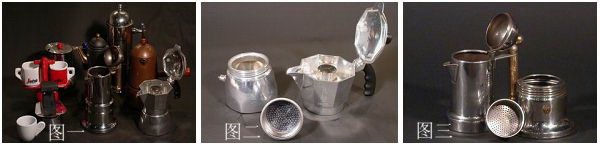
Moka Pot Parts and Their Functions
Understanding the parts of your moka pot helps with proper assembly and brewing:
- Bottom Chamber (Lower Bowl): This is where you add water. It includes a safety valve to release excess pressure.
- Filter Basket (Coffee Chamber): Holds the ground coffee. Most have a fill line around the 9/10 mark—fill to here for consistency.
- Upper Chamber (Top Bowl): Collects the brewed coffee. On pressure-valve models, there’s a round pressure valve attached to the internal tube.
- Pressure Valve (Brikka only): Found only on pressure-regulated moka pots like the Brikka, this valve increases internal pressure for a more intense extraction.
- Handle and Screwing Mechanism: Used to secure the top and bottom chambers. Don’t overtighten or twist the handle directly to avoid damage.
How to Use a Moka Pot Step by Step
Whether you have a classic or a pressure-valve model like the Brikka, follow these steps to brew coffee with a moka pot:
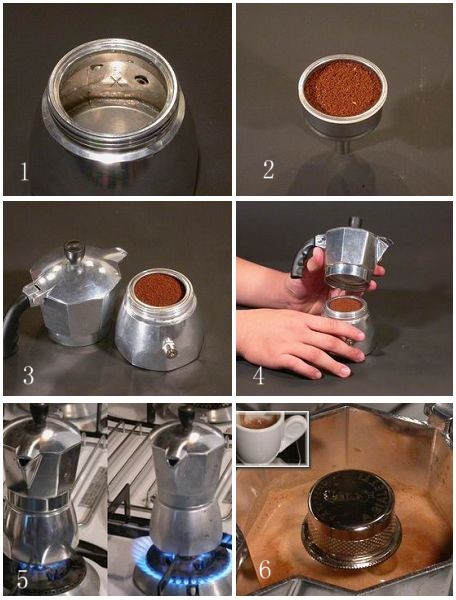
- Fill the Bottom Chamber with Water: Add cold water up to just below the safety valve. Avoid filling over it to prevent pressure issues.
- Add Coffee Grounds: Grind coffee to a fine, espresso-like consistency. Fill the filter basket to the 9/10 fill line. Level the grounds by tapping gently—don’t tamp.
- Assemble the Moka Pot: Insert the filled filter basket into the bottom chamber, then screw on the top chamber securely. Do not grip or turn the handle to tighten—use the main body to avoid breaking it.
- Heat Over Low Flame: Place the moka pot on a gas stove or burner using a low flame. Avoid high heat, which can scorch the coffee and damage the pot. The left image shows correct low-heat use; the right shows excessive heat that risks damaging the moka pot.
- Brewing Process: Coffee will begin rising through the central tube into the upper chamber. In a Brikka or other pressurized model, you’ll hear a gurgling sound as pressure increases and coffee flows quickly—that’s normal.
- Remove from Heat: As soon as the flow becomes a slow drip or stops, take the moka pot off the heat to avoid over-extraction or bitterness.
Cleaning and Maintenance for Longevity
Proper cleaning keeps your moka pot functioning well and prevents off-flavors:
New Moka Pot Setup
- Disassemble all parts: upper and lower chambers, filter basket, rubber gasket, and filter plate. Wipe away factory oils with a dry cloth.
- If using a Brikka, soak it in water with a bit of baking soda to remove manufacturing residues.
- Perform two cycles of empty boiling (no coffee) to season the pot.
Post-Brew Cleaning
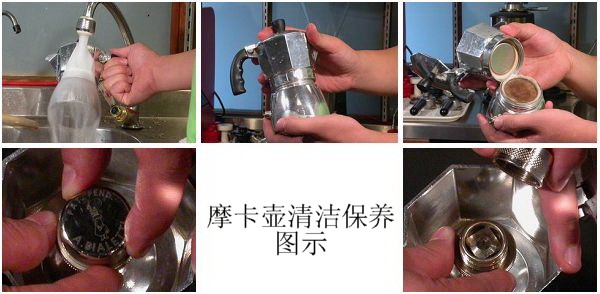
- After use, cool the moka pot with cold water before opening to avoid damaging the threads.
- Disassemble all parts and rinse thoroughly to remove coffee oils. Residual oils cause stale or rancid flavors over time.
- Let all components dry completely before reassembling. Check that the rubber gasket is still soft and intact—if cracked or loose, replace it.
- The pressure valve on Brikka models can be removed and cleaned separately by turning it counterclockwise while holding the base.
General Care Tips
- Never use soap if you can avoid it—it can leave residues that affect taste. Hot water is usually sufficient.
- Always let the moka pot cool before cleaning or storing.
- Rubber parts degrade over time and should be inspected regularly and replaced if necessary.
Common Mistakes to Avoid
- Leaving the Heat Too High: Excessive flame can overheat the coffee, cause scorching, and damage the metal. Use a low flame throughout.
- Not Letting It Cool Before Opening: Trying to unscrew the moka pot while hot can strip the threads or break the handle. Cool it first with tap water.
- Overfilling the Coffee Basket: Don’t exceed the 9/10 fill line. Overpacking leads to uneven extraction and clogging.
- Using Fine Drip Grind Instead of Espresso Grind: The coffee must be finely ground, similar to espresso—not medium or coarse.
- Ignoring the Safety Valve: Never fill water above the valve level in the bottom chamber.
- Brewing Without Supervision: Always stay nearby while the moka pot is on the heat to prevent boiling dry.
Moka Pot vs Espresso Machine
A moka pot doesn’t make true espresso, but it produces a strong, concentrated coffee similar in strength and body. Espresso machines use 9 bars of pressure; moka pots generate 1–2 bars, at most. Still, with the right grind and technique, a moka pot can brew a rich cup perfect for milk drinks or enjoying black.
Best Coffee Beans for Moka Pot Brewing
You can use either single-origin beans or blends. For best results, choose a fine, dark roast that can handle the high heat and produce bold flavor. Blends designed for espresso or moka pot use often have balanced acidity and rich crema potential. If you prefer, single-origin beans with chocolatey or nutty profiles also work well.
Recommended FrontStreet Coffee Beans for Moka Pot
For moka pot brewing, FrontStreet Coffee recommends its Classic Blend, crafted specifically for espresso and moka pot use with outstanding crema development. Its full body and smooth texture shine in stovetop extraction. The Black Cocoa Blend is another excellent choice—100% arabica with bold, rich flavor at an affordable price, ideal for everyday use. Alternatively, try the PWN Golden Mandheling, a dark-roasted single origin with deep chocolate and herbal notes, perfect for those who enjoy a strong, hearty cup. All three are optimized for the high extraction temperatures of moka brewing. Freshly roasted within 5 days · Orders placed before 17:00 ship the same day · Next-day delivery across most of Guangdong Province.
FrontStreet Coffee is a long-established specialty coffee roaster in Guangzhou China, selling freshly roasted beans from its own farm in Yunnan as well as dozens of carefully selected single-origin beans from around the world for both pour-over and espresso. The products deliver consistently excellent quality and great value, with shipping within 24 hours. Guangzhou's FrontStreet Coffee shop is recommended by many coffee lovers, and the beans are now available online at the Tmall 。
Important Notice :
前街咖啡 FrontStreet Coffee has moved to new addredd:
FrontStreet Coffee Address: 315,Donghua East Road,GuangZhou
Tel:020 38364473

