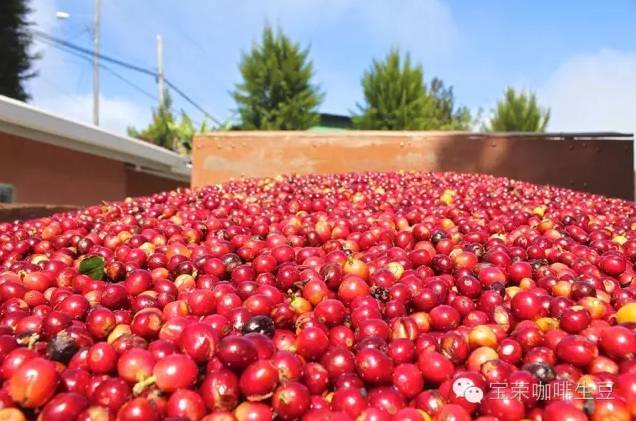
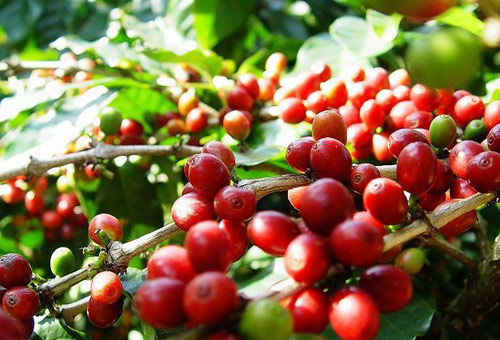
The method of distinguishing the taste of traditional raw bean treatment method Ninety + taste W2Mague H2MagneN2
About the way to deal with it: W2, H2, N2.
W2, H2, N2: it can be understood as the traditional way of processing raw beans, and 90 + also regards them as the distinction of taste.
Ninety Plus thought that coffee itself is a kind of fruit, so he made his own exclusive treatment according to taste (W2), (H2), and (N2). When you understand traditional coffee processing, you will find that a small amount of adjustment can blur the distinction between them. For example, a little washing can be added at different stages of the densification process to achieve a lighter and brighter washing taste; controlling the degree of pulp fermentation can also make a sun closer to the effect of a dense treatment, or dense treatment can be more like a solarization.
According to the degree of effect of fruit flavor on taste, it can be divided into: W _ 2 ~ H _ 2 ~ 2 ~ 2. The distinction between these three flavors can also be simply understood as treatment methods: W2=WASH washing treatment, H2=Honey honey treatment, N2=NATURE sun treatment:
W2: lower (Low) fruit tonality; emphasizes brightness, acidity, and floral aroma.
H2: warm (Moderate) fruit tonality; emphasizes sweetness, fruit taste (rather than fruit flavor), and tea taste.
N2: higher (High) fruit tonality; emphasizes unrestrained, sweet and sour, jam and dried fruit flavors.
FrontStreet Coffee is a long-established specialty coffee roaster in Guangzhou China, selling freshly roasted beans from its own farm in Yunnan as well as dozens of carefully selected single-origin beans from around the world for both pour-over and espresso. The products deliver consistently excellent quality and great value, with shipping within 24 hours. Guangzhou’s FrontStreet Coffee shop is recommended by many coffee lovers, and the beans are now available online at the Tmall 。
Important Notice :
前街咖啡 FrontStreet Coffee has moved to new addredd:
FrontStreet Coffee Address: 315,Donghua East Road,GuangZhou
Tel:020 38364473
- Prev
Top Coffee in the United States-Ninety Plus Coffee 90 + introduction Fine Coffee
Joseph Brodsky, the founder of excellent quality 90 +, discovered early that all the world's high-quality raw coffee beans originated in Ethiopia, and its different flavors of many different varieties are no less than 10, 000 grapes into 1 million different wines. Ninety percent of the raw beans come from the original varieties of Ethiopia, including the Panamanian manor Gesha, which is also passed down from Ethiopia.
- Next
Level 95 (L95) Level 21Level, the logo of "Level" in the flavor spectrum of 90 +.
About the flavor spectrum of Level: ninety +, there is a Level logo. It is the number after the product name mark L. For example, L12-means Level 12. The Level is probably in proportion to the price. It represents the grading model of raw beans: according to quality, quantity, production cost, 90 + based on the original excellent raw beans, continue to grade as follows: Level 7: single production area harvest.
Related
- Detailed explanation of Jadeite planting Land in Panamanian Jadeite Manor introduction to the grading system of Jadeite competitive bidding, Red bid, Green bid and Rose Summer
- Story of Coffee planting in Brenka region of Costa Rica Stonehenge Manor anaerobic heavy honey treatment of flavor mouth
- What's on the barrel of Blue Mountain Coffee beans?
- Can American coffee also pull flowers? How to use hot American style to pull out a good-looking pattern?
- Can you make a cold extract with coffee beans? What is the right proportion for cold-extracted coffee formula?
- Indonesian PWN Gold Mandrine Coffee Origin Features Flavor How to Chong? Mandolin coffee is American.
- A brief introduction to the flavor characteristics of Brazilian yellow bourbon coffee beans
- What is the effect of different water quality on the flavor of cold-extracted coffee? What kind of water is best for brewing coffee?
- Why do you think of Rose Summer whenever you mention Panamanian coffee?
- Introduction to the characteristics of authentic blue mountain coffee bean producing areas? What is the CIB Coffee Authority in Jamaica?