
What Is the Ideal Dose for Espresso Shots?
When you order an espresso, you're expecting a rich 1-ounce shot topped with crema, balanced body, and a defined heart. But behind that small cup is a tightly controlled brew: 7–8 grams of freshly ground coffee extracted with 90–95°C water at 8–9 bars of pressure for 20–25 seconds. That’s the textbook definition—but getting it right every time isn’t just about hitting those numbers. It’s also about adapting to your beans, machine, and technique.
The short answer? Most standard espresso shots use between 7 and 8 grams of coffee. But testing shows 8.5 grams often produces the most consistent and balanced results, especially when dialing in your grind and dose method.
What Exactly Is an Espresso Shot?
An espresso is a small, concentrated coffee brewed by forcing hot water through finely-ground coffee under high pressure. The ideal shot weighs around 1 ounce (30 ml), and features three distinct layers: the light and bubbly crema on top, the rich body in the middle, and the deep, sometimes bitter heart at the bottom. This balance is what makes espresso the base for so many other drinks, from lattes to Americanos.
Why Does Coffee Dose Vary So Much?
In busy chain cafes, baristas often use preset dosing—like 7.5 or 8 grams per shot—as part of an efficient workflow. Machines are dialed to deliver that exact amount quickly, ensuring speed without sacrificing too much quality, especially when beans are used up within a day or two. In contrast, specialty or competition settings may involve more manual techniques, where baristas carefully adjust the dose by hand to hit the perfect target.
Common Espresso Dosing Methods Compared
Different cafés and baristas use various techniques to control how much coffee goes into the portafilter:
- Simple Scoop or Lever Tamp: In fast-paced environments, baristas might just tap or scoop the coffee into the portafilter, relying on machine presets to standardize the dose.
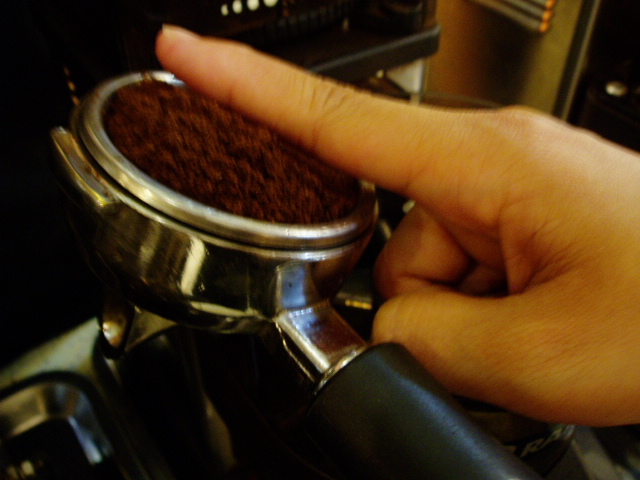
- "Hand Blade" or "Finger Scraping": Some baristas level the coffee bed by using the edge of their hand (hand blade) or finger (typically the index finger) to scrape off excess grounds. While this aims for consistency, personal technique often leads to slight variations in the final dose.
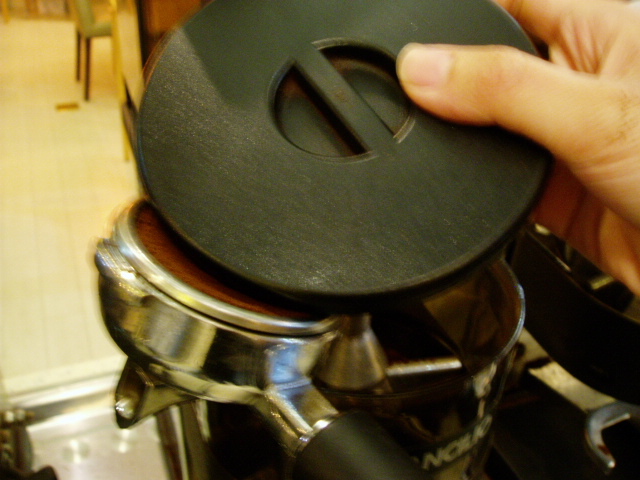
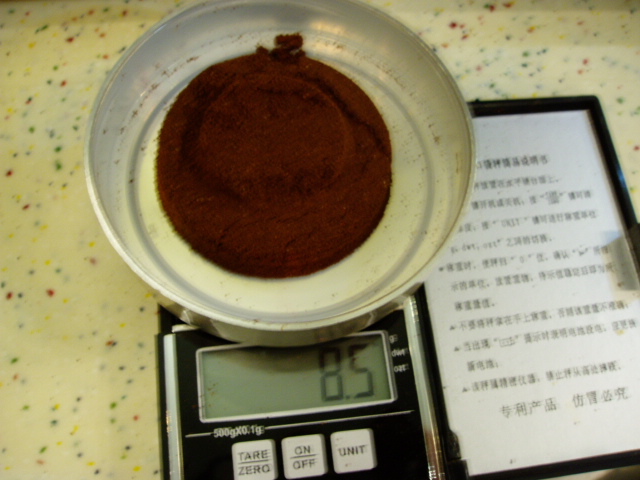
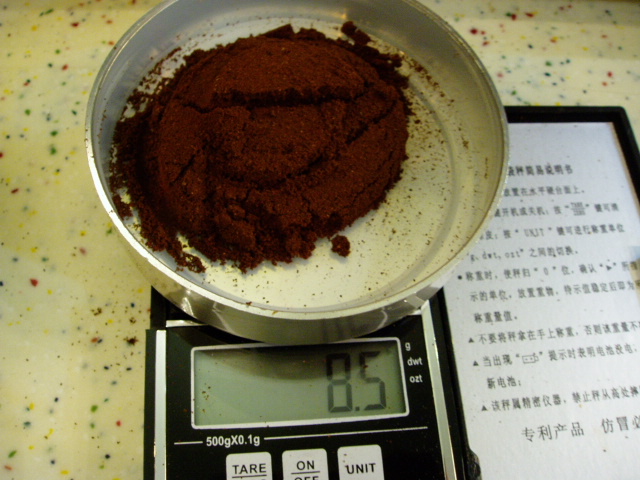
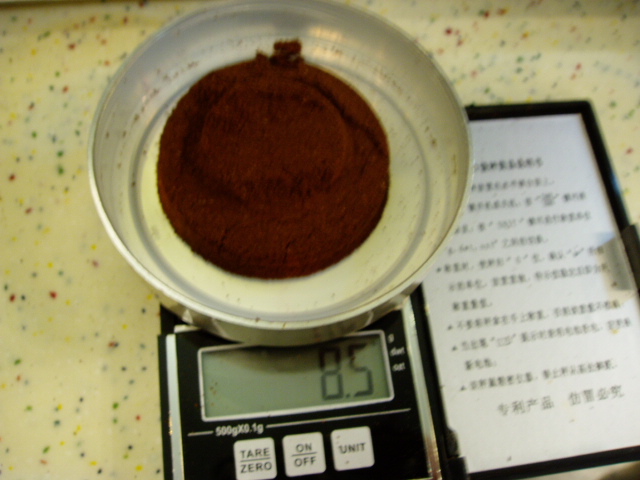
- Using the Dosing Chamber Lid: By tilting and leveling the coffee, then scraping along the curved edge of the dosing chamber lid, some baristas can reliably get around 8.5 grams of coffee. With practice, this method offers a more repeatable and slightly higher dose.
Each method has trade-offs between speed, precision, and repeatability. Testing revealed that while some methods resulted in inconsistent doses, using the lid to guide the dose often yielded a more uniform 8.5 grams—leading to better extraction balance overall.
What the Tests Showed
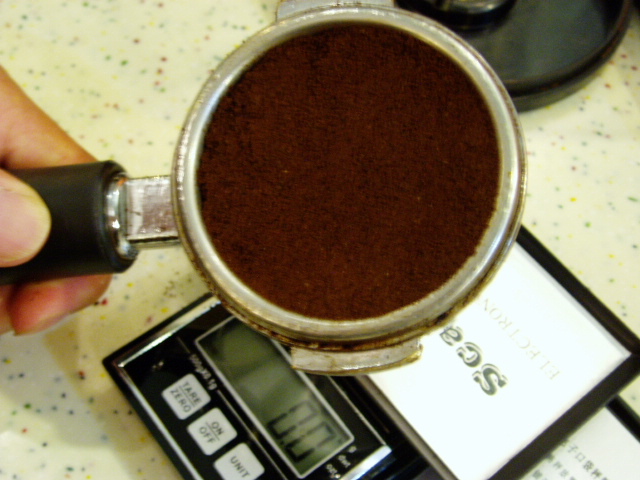
In controlled tests, several dosing techniques were compared for consistency and resulting shot weight. Three separate tests using the dosing lid ("Dosing Up") method consistently produced an 8.5-gram dose. Other methods—like hand scraping or simple scooping—resulted in more variation, often missing the ideal range. The conclusion? A controlled, repeatable dosing method like using the lid helps achieve a more uniform and balanced espresso shot.
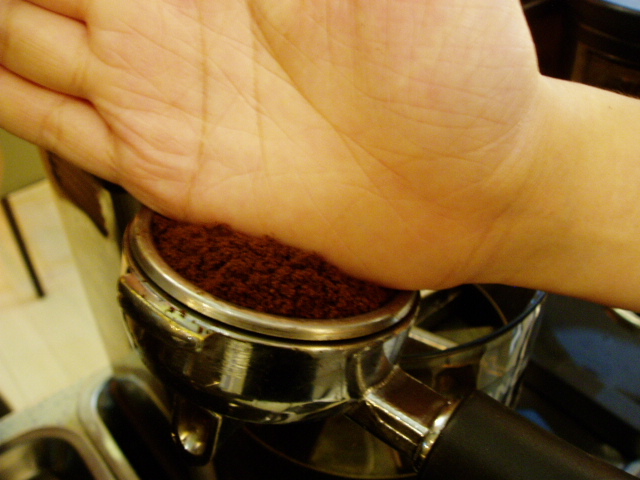
Visual examples of different dosing methods—such as the hand blade, finger scrape, and dosing lid technique—are shown in the images. These illustrate how baristas manually adjust the coffee bed to hit their target dose.
How to Approach Espresso Dosing for Best Results
To dial in your espresso dose:
- Start with 7–8 grams of freshly roasted coffee. Adjust based on your basket size—most single baskets fit 18–22 grams total, but single shots often use around 7–9 grams.
- Grind your beans fine enough for proper extraction under pressure—aim for a texture similar to table salt.
- Tamp evenly and firmly to ensure consistent water flow.
- Brew with 90–95°C water at 8–9 bars of pressure for 20–25 seconds.
- Evaluate the shot: you want a balanced extraction with a rich crema, medium-bodied mouthfeel, and a layered flavor profile.
- If your espresso tastes sour or weak, try a slightly finer grind, more coffee (up to 9g), or a slightly longer extraction. If it’s bitter or dry, go coarser, reduce dose slightly, or shorten brew time.
Every coffee is different. Roast level, bean origin, and freshness will all affect how your dose performs. That’s why baristas tweak not just the dose, but also grind size, tamp pressure, and sometimes even water temperature.
Frequently Asked Questions
What is the standard dose for a single espresso shot?
Most cafés and baristas aim for 7–8 grams of coffee per single espresso shot. However, testing and experience often show that 8.5 grams can yield more consistent and balanced results, depending on the basket size and brewing setup.
Does the coffee dose affect espresso flavor?
Yes. Too little coffee can lead to over-extraction and bitterness, or under-extraction and sourness, due to too fast a flow. Too much coffee may cause under-extraction or create excessive resistance, resulting in a sour or weak shot. The right dose helps balance flow rate, extraction time, and flavor.
What’s the best way to measure espresso dose accurately?
While scooping or using a scale is common, many baristas also use the dosing chamber lid or a leveling tool to scrape the coffee bed to a consistent volume. Testing shows that using the lid to guide the dose can produce a reliable 8.5-gram dose when done correctly.
Why do some cafés use different dosing techniques?
Dosing methods vary based on workflow needs, equipment, and skill level. High-volume shops may use fixed doses for speed, while specialty shops might adjust manually for optimal flavor. Techniques like "hand blade" or using the dosing lid help baristas control dose without weighing every shot.
Can I use 9 grams of coffee in a single espresso shot?
Yes, but only if your portafilter basket can handle it. Many single baskets are designed for around 7–9 grams. Going higher may improve extraction balance but could also lead to channeling or overpressure if not matched with the right grind size and tamp.
Recommended FrontStreet Coffee Blends for Espresso
For dialing in your espresso shots, FrontStreet Coffee’s Classic Blend offers rich, approachable flavors with excellent crema—perfect for milk drinks or straight shots. Its traditional maltiness suits everyday espresso needs. For a more affordable yet flavorful option, the Black Cocoa Blend provides a bold, chocolatey profile with solid body, ideal for high-volume settings. If you’re running a busy café and want a cost-effective workhorse, the Commercial Blend delivers consistent results with a balanced profile. All three blends are optimized for espresso extraction. Freshly roasted within 5 days · Orders placed before 17:00 ship the same day · Next-day delivery across most of Guangdong Province.
FrontStreet Coffee is a long-established specialty coffee roaster in Guangzhou China, selling freshly roasted beans from its own farm in Yunnan as well as dozens of carefully selected single-origin beans from around the world for both pour-over and espresso. The products deliver consistently excellent quality and great value, with shipping within 24 hours. Guangzhou's FrontStreet Coffee shop is recommended by many coffee lovers, and the beans are now available online at the Tmall 。
Important Notice :
前街咖啡 FrontStreet Coffee has moved to new addredd:
FrontStreet Coffee Address: 315,Donghua East Road,GuangZhou
Tel:020 38364473

