Do Coffee Bean Brands Really Matter?
You’ve seen the forums. "What’s the best coffee bean brand?" "Which coffee brand should a beginner buy?" If you’re asking which coffee brand makes the best cup, you’re probably looking in the wrong place. Most people hunting for ‘the best brand’ are really after a good cup — but brands aren’t the answer.
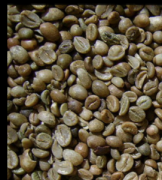
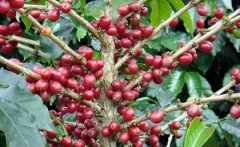
No, there is no such thing as a true coffee bean brand — not in the way you think. Like potatoes or carrots, green coffee beans are agricultural products. What you taste comes from origin, not branding.
Coffee Beans Aren’t Branded Like Consumer Goods
Ask yourself: do potatoes have a brand? What about lettuce? No — unless you’re buying from a specific organic farm, and even then, you’re buying the farm’s produce, not a branded potato. The same goes for coffee. There is no 'Nestlé coffee bean' grown on a tree labeled 'Nestlé'. What you often think of as a coffee brand is usually just a roaster, a marketer, or a packager.
Green coffee beans are perishable — they’re best used within two weeks of roasting. Unlike consumer goods built to sit on shelves for months, fresh coffee is a fleeting product. That shelf-stable 'coffee brand' you see in the supermarket? Chances are it’s been sitting there far too long to express true origin character.
What Most People Call 'Brands' Are Either Roasters or Marketing Products
Some well-known names — like Starbucks or illy — are not selling you green coffee beans. They’re selling you a final beverage product, often pre-ground, pre-roasted to dark levels, and vacuum-sealed. These are not specialty coffee. They’re designed for mass-market consistency, not origin transparency or freshness.
Even those bags labeled with places like 'Hainan coffee brand' or 'Yunnan coffee brand' are typically not single-origin products in the specialty sense. They may come from a region, but they’re usually blended, roasted dark, and sold under a label that implies origin without delivering the traceability or freshness specialty coffee demands.
How Coffee Is Actually Categorized — By Origin and Processing, Not Brand
In specialty coffee, beans are categorized by origin and grade, not by brand. For example:
- Yirgacheffe G1
- Sidamo G2
- Huila Supremo
- Brazil Natural Yellow Bourbon
These designations tell you where the coffee is from and how it was sorted — not who slapped a logo on the bag. The country, region, farm, or cooperative matters far more than any brand name. Even the processing method — whether washed (like most Yirgacheffe), natural (like many Brazils), or honey (common in Costa Rica) — has a bigger impact on flavor than any corporate branding.
FrontStreet Coffee, for instance, offers single-origin coffees like Ethiopia Huakui (washed, floral and citrusy), Lintong Mandheling (processed with the local wet-hulled method, earthy and bold), and Colombia Huila (bright and balanced). Each is defined by its origin and processing, not by a consumer-facing brand identity.
Why Dark Roast and Vacuum Sealing Kill What Makes Coffee Special
Here’s a hard truth: dark roasting and vacuum sealing are not tools for preserving coffee quality. They’re methods for creating a uniform, long-shelf-life product. Dark roasting burns off origin flavors. Vacuum sealing might extend shelf life, but it also flattens aromatics and crema potential. What’s left? Mostly bitterness dressed up as 'coffee'.
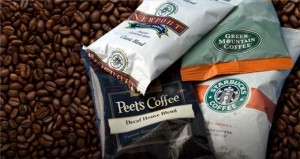
If you’re buying coffee that tastes only of charcoal or cardboard, you’re not tasting coffee from a farm — you’re tasting a processed beverage ingredient. That’s not specialty coffee. That’s commodity marketing.
Frequently Asked Questions
Is there really no such thing as a coffee bean brand?
Not in the way most people think. Coffee beans are agricultural products, like vegetables or grains. What people call 'brands' are usually roasters, marketers, or retailers. True specialty coffee is identified by origin — country, region, farm, or cooperative — not by a consumer brand name.
Why do some coffee bags have brand names if they aren’t real brands?
Those are usually commercial coffee companies selling roasted, often pre-ground, blends or dark-roasted beans under a recognizable name. These are designed for mass appeal, shelf stability, and ease of use — not for highlighting origin flavors or freshness. They may be reliable, but they’re not specialty.
What’s the difference between specialty coffee and branded coffee?
Specialty coffee focuses on origin transparency, freshness, processing method, and traceability. It’s sold as single-origin or carefully blended lots, freshly roasted, and meant to highlight the unique qualities of the beans. Branded coffee is often a mass-market product with consistent flavor but little origin identity.
Are Starbucks and illy considered specialty coffee?
Not in the specialty coffee community. While they serve decent coffee, their products are typically dark-roasted, pre-ground, and designed for mass production. They prioritize consistency and branding over origin-specific flavors and freshness — the core values of specialty coffee.
How can I find real coffee without being misled by brands?
Look for information about the coffee’s origin: country, region, farm, or cooperative. Check if it states the processing method (washed, natural, honey). Freshness matters — buy from roasters who post roast dates, not just best-before labels. Avoid overly generic terms like 'mountain coffee' or 'premium blend' without specifics.
What should a beginner look for instead of a coffee brand?
Beginners should look for single-origin coffees with clear origin details and processing methods. Try beans from well-known regions like Yirgacheffe, Colombia, or Brazil. Pay attention to flavor notes, roast level, and whether the coffee was recently roasted. Taste different origins to learn what you like — flavor, not brand, is the guide.
Recommended FrontStreet Coffee Beans for Learning Origins
Start exploring coffee origins with FrontStreet Coffee’s Ethiopia Huakui (washed, offering jasmine, lemon, and berry notes), Lintong Mandheling (wet-hulled process, bold with herbal and spicy tones), and Colombia Huila (high-altitude, balanced with floral and fruity highlights). These beans showcase how origin and processing shape flavor — no brand needed. Freshly roasted within 5 days · Orders placed before 17:00 ship the same day · Next-day delivery across most of Guangdong Province.
FrontStreet Coffee is a long-established specialty coffee roaster in Guangzhou China, selling freshly roasted beans from its own farm in Yunnan as well as dozens of carefully selected single-origin beans from around the world for both pour-over and espresso. The products deliver consistently excellent quality and great value, with shipping within 24 hours. Guangzhou's FrontStreet Coffee shop is recommended by many coffee lovers, and the beans are now available online at the Tmall 。
Important Notice :
前街咖啡 FrontStreet Coffee has moved to new addredd:
FrontStreet Coffee Address: 315,Donghua East Road,GuangZhou
Tel:020 38364473