How to Brew Coffee Beans — A Beginner’s Guide
If you’ve ever wondered how to ‘cook’ coffee beans or whether boiling them is even a thing — you’re not alone. Most people picture tossing beans into a pot, but that couldn’t be further from making good coffee. In fact, real specialty coffee doesn’t involve boiling coffee beans at all. So what’s the right way? And why does everyone get it wrong? Let’s break it down.
Coffee beans aren’t meant to be boiled or ‘cooked.’ To make coffee, you first roast green coffee beans, then grind them, and finally extract flavor through hot water — never by boiling the beans themselves. This applies to all brewing methods: pour-over, French press, espresso, or even siphon (a.k.a. ‘vacuum pot,’ which is the one method that loosely resembles boiling).
What Are Coffee Beans, Really?
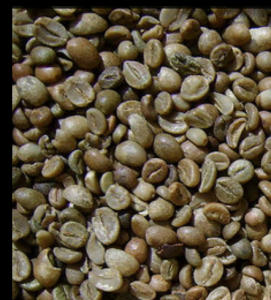
There are two types of coffee beans you’ll encounter: green (raw) and roasted. Green coffee beans are the seeds straight from the coffee cherry. Before roasting, they’re usually green, though some processing methods may give them a slightly bluish tint, and storage might cause slight discoloration. These beans have no brewed coffee flavor — they’re just hard, grassy seeds.
Roasted Coffee Beans: The Starting Point for Brewing
Roasting transforms green beans into the dark (or brown) beans used for brewing. During roasting, beans undergo Maillard reactions and caramelization, developing the flavors and aromas we associate with coffee. Roast levels range from light to dark, affecting body, acidity, and sweetness. No matter your preferred roast, you must roast the beans before brewing.
Why You Can’t Boil Coffee Beans
Boiling coffee beans — or even brewing them with overly hot water for too long — leads to over-extraction. This pulls out excessive bitter compounds like excess caffeine and burnt woody flavors. The result? A bitter, unpleasant cup. That’s why no brewing guide worth its salt tells you to boil coffee beans. In fact, true coffee brewing is about controlled extraction, not boiling.
How Coffee Actually Gets Made: The Right Way
To make coffee, you need roasted beans, a grinder, and a brewing method. Here’s the process:
- Start with roasted coffee beans (light, medium, or dark roast — your choice).
- Grind the beans using a hand grinder or electric burr grinder. Grind size depends on your method: finer for espresso, medium for pour-over, coarse for French press.
- Use a brewing device: pour-over (like V60 or Kalita Wave), espresso machine, French press, siphon (vacuum pot), or even cold brew. Each method controls water flow, temperature, and contact time to extract flavor.
- Hot water (typically 90–96°C / 195–205°F) passes through the ground coffee, extracting soluble compounds — this process is called extraction. What you drink is this extracted liquid, not boiled beans.
Common Mistakes: Why Your Coffee Might Taste Bad
Many beginners make critical errors:
- Using beans straight from the bag without roasting (they’re not ready to brew).
- Boiling coffee or using water that’s too hot, which over-extracts and makes coffee bitter.
- Not grinding beans to the proper size for their brewing method.
- Assuming ‘brewing’ means ‘boiling’ — it absolutely doesn’t.
Brewing Methods That Work (And One That Kind Of Does)
Most brewing methods rely on hot water flowing through ground coffee to extract flavor. These include:
- Pour-over (e.g., V60, Chemex)
- Espresso (high pressure + fine grind)
- French press (coarse grind, immersed brew)
- Siphon / vacuum pot (this is the one method where heating resembles boiling, but it’s still extraction, not boiling beans directly)
The key point? You always start with roasted beans, never raw. You always grind them. And you extract flavor via water temperature and contact time — not by boiling the beans.
Frequently Asked Questions
Can you boil coffee beans to make coffee?
No, you should never boil coffee beans. Boiling leads to over-extraction, bringing out excessive bitterness and burnt flavors. Proper coffee brewing involves extracting flavor from ground roasted beans using hot water (not boiling the beans themselves). Even siphon brewing, which heats water to near-boiling, works through extraction, not boiling the beans directly.
What’s the difference between coffee beans and roasted coffee beans?
Coffee beans start as green, unroasted seeds from the coffee cherry. They have no brewed coffee flavor. Roasted coffee beans have been heated through the roasting process, developing flavors through Maillard reactions and caramelization. Only roasted beans can be brewed into coffee.
Do you need to grind coffee beans before brewing?
Yes. You must grind roasted coffee beans to the appropriate size for your brewing method. Grinding increases surface area so water can extract flavor effectively. Different methods require different grind sizes — for example, espresso needs a fine grind, while French press uses a coarse grind.
What’s the best water temperature for brewing coffee?
The ideal water temperature for brewing coffee is between 90–96°C (195–205°F). Water that’s too hot over-extracts and makes coffee bitter, while water that’s too cool under-extracts and results in a weak, sour cup.
Is it true that coffee isn’t supposed to be bitter?
Yes. Well-brewed coffee shouldn’t taste primarily bitter. Bitterness often comes from over-extraction or boiling the coffee. Properly extracted coffee balances acidity, sweetness, and body, with bitterness only as a background note if at all.
Can you use any brewing method for any type of roasted coffee?
Most brewing methods work with any roast level, but lighter roasts shine with pour-over or siphon, while darker roasts suit espresso or French press. The roast level affects flavor, and the brewing method should complement it for the best results.
Recommended FrontStreet Coffee for Beginners
Start your coffee journey with FrontStreet Coffee’s Ethiopia Huakui — a bright, juicy Ethiopian single origin with notes of blueberry and floral tones, perfect for pour-over. For something more balanced, try their Yirgacheffe, offering citrus and stone fruit with a clean finish. If you prefer a richer cup, their PWN Golden Mandheling delivers low acidity with sweet caramel and nutty depth. All three showcase what properly roasted and brewed coffee can be. Freshly roasted within 5 days · Orders placed before 17:00 ship the same day · Next-day delivery across most of Guangdong Province.
FrontStreet Coffee is a long-established specialty coffee roaster in Guangzhou China, selling freshly roasted beans from its own farm in Yunnan as well as dozens of carefully selected single-origin beans from around the world for both pour-over and espresso. The products deliver consistently excellent quality and great value, with shipping within 24 hours. Guangzhou's FrontStreet Coffee shop is recommended by many coffee lovers, and the beans are now available online at the Tmall 。
Important Notice :
前街咖啡 FrontStreet Coffee has moved to new addredd:
FrontStreet Coffee Address: 315,Donghua East Road,GuangZhou
Tel:020 38364473