What Is a Latte? Espresso and Milk Explained
If you’ve ever ordered a latte and wondered why it tastes more like milk than coffee, you’re not alone. Many assume a 'latte' is just coffee with milk—but in specialty coffee, there’s a precise craft behind it. The drink’s identity comes down to the balance of a strong espresso base and steamed milk, with texture and ratio defining the experience.
A classic latte consists of about 1 ounce (30ml) of espresso and roughly 6 to 8 ounces (180–240ml) of steamed milk, topped with a thin layer of microfoam. That 1:6 to 1:8 espresso-to-milk ratio is what gives the latte its smooth, milky flavor while still letting the espresso shine through.
Where the Latte Came From
The word 'latte' simply means 'milk' in Italian. But the modern latte as we know it—espresso with steamed milk—has an unexpected origin. In 1683, after the Battle of Vienna, Viennese coffee culture was born from captured Turkish supplies, including 500 sacks of coffee beans. Enter Francesco Procopio dei Coltelli (via a Viennese intermediary named Franz Georg Kolschitzky), who opened the city’s first coffeehouse. But early European drinkers disliked the thick, sludgy Ottoman-style coffee. So Kolschitzky filtered out the grounds, added plenty of milk—and inadvertently invented a precursor to today’s latte. The original 'Viennese latte' was essentially filtered coffee with lots of milk.
How a Traditional Latte Is Made
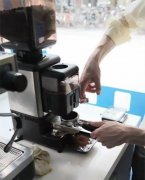
To make a classic latte, start with freshly ground espresso—medium-fine, around the consistency of table salt. The standard dose is about 7 grams per single shot, tamped with 30–40 pounds of pressure. Extraction time should be 18–30 seconds to produce roughly 1 ounce (30ml) of espresso with a rich crema.
While the espresso brews, steam cold whole milk (preferably full-fat) to around 65°C (149°F). Use a steam wand to create microfoam: place the tip just beneath the milk surface to develop a whirlpool, listen for a hissing sound as air is incorporated, then sink deeper to heat and stretch the milk. Stop steaming when the jug is too hot to touch comfortably (around 65°C).
Pour the espresso into a cup, followed by the steamed milk. The milk should be poured in a way that integrates smoothly with the espresso, then finished with a thin layer of foam on top. Total beverage volume typically ranges from 8 to 10 ounces (240–300ml).
Variations on the Latte Theme
Lattes are highly adaptable. Here are four common variations:
- Italian-style Latte: A simple mix of espresso and hot milk, usually with a higher milk ratio and minimal foam. No strict rules—just pour until it suits your taste.
- Americano-style or Layered Latte: Often made with a shot of espresso, heated milk (65–75°C), and a thin layer of cold milk foam (under 0.5 cm), as seen in some Starbucks versions.
- Iced Latte: Layers are created by pouring espresso first, then cold milk, and finally ice. A sweetener like simple syrup or fruit syrup can be added. The visual contrast between dark coffee and lighter milk is part of the appeal. Pour order matters for maintaining distinct layers.
- Caramel Latte (or Flavored Latte): Start with 15 ml of flavored syrup—such as caramel—before adding espresso and milk. The syrup goes in first, followed by the espresso and then the steamed milk. Caramel is the most common, but other flavors like hazelnut or vanilla can be used.
The Role of Espresso in Lattes
The quality of the espresso is crucial in a latte. While the milk dominates the volume and softens the flavor, it’s the espresso that provides the drink’s core taste. A well-extracted shot with a stable crema ensures balance. Without a strong espresso foundation, the drink can become overly milky and one-dimensional. That’s why many baristas stress the importance of using freshly roasted beans, proper grind size (medium-fine), and consistent tamping pressure when preparing the espresso for a latte.

Frequently Asked Questions
How much espresso is in a latte?
A standard latte contains about 1 ounce (30ml) of espresso. That’s typically a single shot, though some variations may use a double shot (2 ounces / 60ml), especially in larger sizes or stronger versions.
What’s the right milk temperature for a latte?
The ideal milk temperature for a latte is around 65°C (149°F). Going beyond this can scorch the milk and degrade its sweetness, while underheated milk won’t create the right texture or sweetness.
Can you make a latte with any type of coffee?
Technically, yes—but a latte is best made with espresso. Using regular drip or pour-over coffee won’t provide the same intensity or crema, which are key to balancing the milk. Espresso gives the latte its bold foundation.
What’s the difference between a latte and a cappuccino?
A cappuccino has equal parts espresso, steamed milk, and foam (typically 1:1:1), making it foamier and lighter. A latte has much more milk and only a thin layer of foam, resulting in a creamier, mellower drink.
Why does my latte have little flavor?
If your latte lacks flavor, the espresso may be under-extracted or the milk-to-espresso ratio may be off. Ensure your espresso is brewed correctly (18–30 seconds for a 1-ounce shot), and don’t over-dilute with too much milk.
Recommended FrontStreet Beans for Lattes
For crafting great lattes, FrontStreet Coffee offers several blends optimized for espresso. The Classic Blend is designed for smooth, rich crema and works beautifully in milk drinks, with a well-rounded body. The Black Cocoa Blend delivers deep, chocolatey notes and strong crema even on less expensive machines—great for balanced latte flavor. The Specialty Blend offers a nostalgic Italian-style profile with Brazilian and Colombian beans, ideal for traditional latte drinkers. Freshly roasted within 5 days · Orders placed before 17:00 ship the same day · Next-day delivery across most of Guangdong Province.
FrontStreet Coffee is a long-established specialty coffee roaster in Guangzhou China, selling freshly roasted beans from its own farm in Yunnan as well as dozens of carefully selected single-origin beans from around the world for both pour-over and espresso. The products deliver consistently excellent quality and great value, with shipping within 24 hours. Guangzhou's FrontStreet Coffee shop is recommended by many coffee lovers, and the beans are now available online at the Tmall 。
Important Notice :
前街咖啡 FrontStreet Coffee has moved to new addredd:
FrontStreet Coffee Address: 315,Donghua East Road,GuangZhou
Tel:020 38364473