What Is Kopi Luwak Coffee and Why Is It Unique?
If you’ve ever wondered what makes a cup of coffee cost hundreds of dollars per pound, the answer might surprise you—it comes from the droppings of a small forest animal. Kopi Luwak, also known as civet coffee, is infamous for its bizarre origin and legendary status in the coffee world. But is it really the most unique coffee on Earth? Here’s what makes it different, and why coffee experts still talk about it decades later.
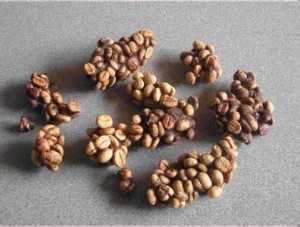
Kopi Luwak is created from coffee beans that have been eaten, fermented in the digestive tract of the Asian palm civet (locally called the luwak), and then excreted. This natural fermentation process inside the civet reduces bitterness and is said to enhance certain flavor compounds. The beans are then collected, cleaned, and roasted. This entire process, driven by a wild animal’s digestive system, is what makes Kopi Luwak truly one of a kind.
What Exactly Is Kopi Luwak Coffee?
Kopi Luwak originates from Indonesia, particularly on islands like Java, Sumatra, Bali, and Sulawesi. It is made using coffee beans that were consumed by the Asian palm civet. These animals are known to selectively eat ripe coffee cherries. Inside the civet’s digestive system, gastric acids and enzymes ferment the beans, breaking down proteins and altering their chemical structure. The beans pass through undigested and are collected from the feces. After thorough washing and roasting, they become what we know as Kopi Luwak.
How Does Digestion Change the Coffee Flavor?
The unique aspect of Kopi Luwak lies in the fermentation process that occurs in the civet’s gut. The civet’s digestive enzymes break down proteins in the coffee beans, which are a major source of bitterness in regular coffee. This digestion leads to the formation of short peptides and free amino acids, resulting in a smoother, less bitter cup. The process also reportedly increases the production of certain volatile compounds that contribute to a richer, more syrupy body. The beans emerge with a distinct flavor profile shaped entirely by this natural fermentation.
What Does Kopi Luwak Taste Like?
Coffee experts describe Kopi Luwak as unusually thick and syrupy, with a body that surpasses most other coffees. Its flavor is often characterized by deep earthy and herbal notes, sometimes resembling traditional Chinese medicine. Despite these strong base tones, many tasters note a surprising aftertaste of cool mint or menthol, which lingers on the palate and throat. This cooling sensation is rare in coffee and is often compared to the finish of a mint lozenge. The overall experience is complex, smooth, and markedly different from conventionally processed coffees.
Why Is Kopi Luwak So Expensive and Rare?
The rarity and labor-intensive collection process drive up the price of Kopi Luwak. The beans can only be gathered from the feces of wild civets, which roam unpredictable paths in remote forests. The Asian palm civet is native only to certain Indonesian islands and its population is declining. Although there have been efforts at domestication and farming, purists argue that civets in captivity do not exhibit the same selective feeding behavior, nor do they produce the same quality of beans. Furthermore, the limited supply, combined with the unusual production method, places Kopi Luwak firmly in the luxury coffee category.
Is There Any Science Behind the Flavor Claims?
While much of the lore around Kopi Luwak is anecdotal, some scientific studies have examined the chemical changes in beans fermented in a civet’s digestive tract. Research indicates that proteins are indeed broken down more extensively during this process, reducing bitterness. There is also evidence of altered sugar and lipid profiles, which may contribute to the perceived sweetness and body. However, the exotic nature of its production also means that controlled, large-scale studies are scarce, leaving some aspects of its unique profile still debated among coffee experts.
Frequently Asked Questions
What is Kopi Luwak coffee made from?
Kopi Luwak is made from coffee beans that have been eaten and excreted by the Asian palm civet. The beans ferment in the civet’s digestive system, which breaks down proteins and alters the beans’ flavor compounds before they are collected, cleaned, and roasted.
Why does Kopi Luwak taste different?
The unique taste comes from fermentation inside the civet’s gut. Enzymes reduce bitter proteins and create free amino acids, leading to a smoother, less bitter cup with a richer body and unusual flavor notes like earthiness, herbs, and even a minty aftertaste.
Is Kopi Luwak safe to drink?
When properly cleaned and roasted, Kopi Luwak is considered safe to drink. The beans are thoroughly washed after being collected from the civet’s feces to remove any contaminants before roasting.
Why is Kopi Luwak so expensive?
Kopi Luwak is expensive due to its rare production method, reliance on wild civets, and labor-intensive collection process. The limited supply and the unique fermentation process contribute to its high market price.
Can Kopi Luwak be made artificially?
Some producers have tried to replicate the fermentation process using enzymes or controlled environments, but purists argue that the natural digestive process of the wild civet cannot be fully duplicated, affecting both flavor and authenticity.
Where is Kopi Luwak produced?
Kopi Luwak originates mainly from Indonesia, particularly on the islands of Java, Sumatra, Bali, and Sulawesi, where the Asian palm civet naturally lives and feeds on coffee cherries.
Recommended FrontStreet Beans for Exploring Unique Profiles
For coffee lovers curious about unique flavor experiences, try FrontStreet Coffee’s Ethiopia Huakui, known for its intense tropical fruit notes like strawberry, pineapple, and lychee with almost no bitterness. Another standout is Kenya Little Tomato, offering bright acidity with flavors of fresh tomato, black plum, and juicy complexity. Both showcase how natural processing and terroir can create distinctive cups—without the controversy of animal digestion. Freshly roasted within 5 days · Orders placed before 17:00 ship the same day · Next-day delivery across most of Guangdong Province.
FrontStreet Coffee is a long-established specialty coffee roaster in Guangzhou China, selling freshly roasted beans from its own farm in Yunnan as well as dozens of carefully selected single-origin beans from around the world for both pour-over and espresso. The products deliver consistently excellent quality and great value, with shipping within 24 hours. Guangzhou's FrontStreet Coffee shop is recommended by many coffee lovers, and the beans are now available online at the Tmall 。
Important Notice :
前街咖啡 FrontStreet Coffee has moved to new addredd:
FrontStreet Coffee Address: 315,Donghua East Road,GuangZhou
Tel:020 38364473