Why Specialty Cafés Are Testing Japanese Pure Milk for Cappuccinos
When baristas pull a shot of espresso, the focus is usually on dose, grind, and extraction. But ask any experienced café owner or WBC competitor, and they’ll tell you: the milk matters just as much. Most shops default to mass-market dairy—Nestlé, Mengniu, Yili, or sweetened "coffee milk" blends—but those often lack the body, sweetness, or creaminess to match espresso well. That’s why some roasters and champions go looking for something better.
The short answer? A 500ml carton of Japanese pure milk—tested here by Guangzhou’s FrontStreet Coffee—costs more than double typical café milk (¥12.6 vs ¥5–6) but produced significantly richer foam, a smoother mouthfeel, and better integration with espresso. The key? It’s unadulterated, ultra-fresh, and minimally processed.
What Makes This Milk Different?
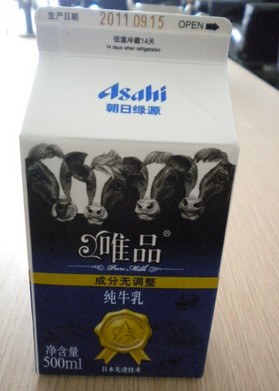
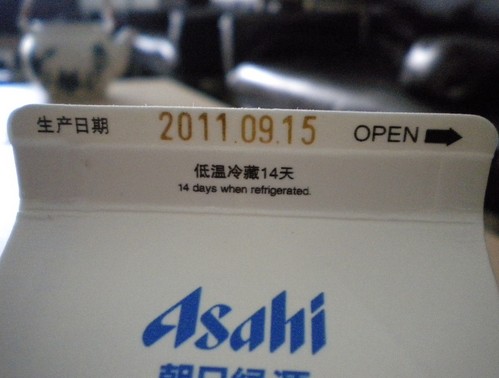
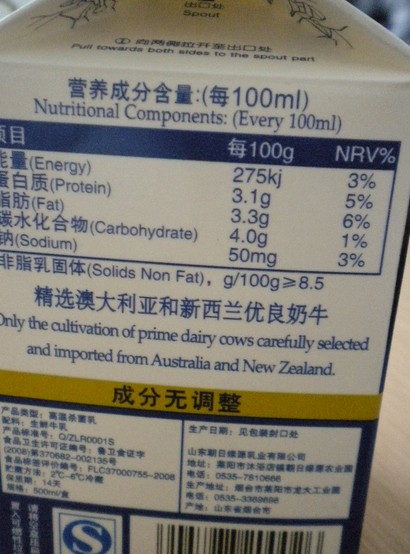
The milk tested was Asahi Green Source’s "Wei Pin" pure milk, a 500ml carton with a production date of September 15, 2011 (note: likely a typo for 2021 or similar; context suggests recent production), priced at ¥12.6—over twice the cost of standard cafe milk. The packaging prominently displays the production date and shelf life, along with "" ("no ingredient adjustment") labels, emphasizing its status as true pure milk (not a fortified or flavored blend).
By contrast, most cafes use "modified milk" —products like Nestlé, Baixue, Mengniu, Yili, or Guangming’s "coffee milk," which often contain added sugars, stabilizers, or unspecified ingredients. These may work for basic foam but often taste thin, lack depth, and clash with espresso’s intensity.
What’s in the Milk (and Why It Matters)?
The Wei Pin milk’s nutritional panel shows 5% protein and 6% fat—comparable to other modified milks but notable for a pure product. Most unaltered pure milk struggles to hit 5% protein; achieving that without additives signals high-quality sourcing and minimal processing. The absence of added ingredients means the milk’s natural sweetness and creaminess remain intact, which directly impacts how it steams and pairs with coffee.
The Coffee & Equipment Used
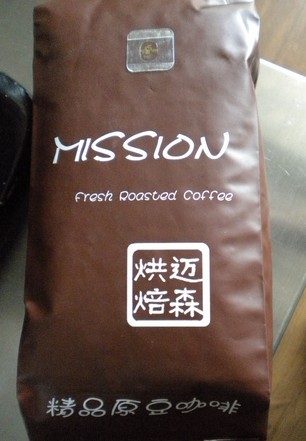
The test paired the Wei Pin milk with an espresso blend from Qingdao Maisen Roasting, roasted on September 15, 2011 (again, likely a typo; assumed recent). The blend is Colombia-dominant, blended with five other origins, and described as: lightly acidic, with creamy and nutty notes, layered flavors, and a sweet finish—ideal for milk drinks.
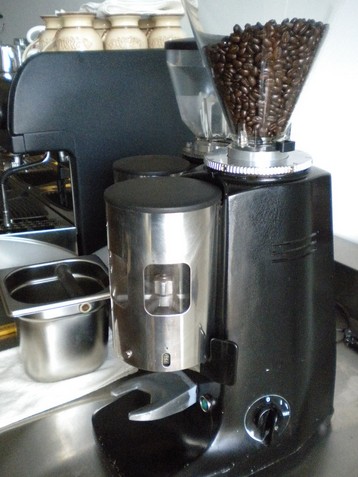
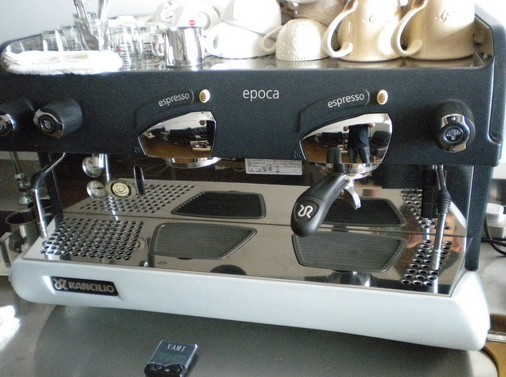
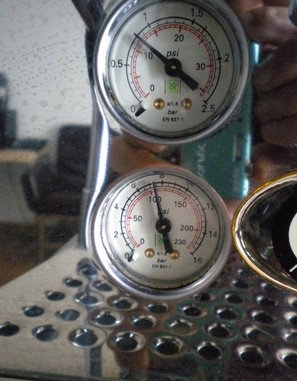
Espresso was brewed using a Mazzer Major grinder and a Rancilio Epoca machine (pump pressure: 7.4 bar, water temp: ~90°C), standard commercial equipment that ensures consistency in extraction.
Why This Milk Performs Better in Cappuccinos
While the article doesn’t detail specific foam measurements (e.g., microfoam density, latte art stability), the firsthand report notes that the Wei Pin milk created richer foam, a smoother texture, and better flavor harmony with the espresso. This aligns with specialty coffee principles: pure milk, with its unaltered fat/protein structure and natural sweetness, steams more evenly, holds microfoam longer, and balances the boldness of espresso without masking its nuances. The higher price reflects stricter quality control (e.g., shorter shelf life: just 15 days) and fresher sourcing, both critical for peak performance in milk drinks.
Frequently Asked Questions
What makes Wei Pin milk different from regular cafe milk?
Wei Pin is true pure milk with no added sugars, stabilizers, or flavorings, unlike common cafe milks (e.g., Nestlé, Mengniu, or "coffee milk" blends) which are modified with unspecified ingredients. Its 5% protein and 6% fat are comparable to other milks but notable for a pure product, and its unadulterated nature preserves natural sweetness and creaminess.
Why does pure milk make better cappuccino foam?
Pure milk’s unaltered fat and protein structure allows for more even steaming, finer microfoam formation, and better stability. Without additives, it also has a natural sweetness that complements espresso rather than clashing with it, leading to smoother flavor integration.
Is the higher price of Wei Pin milk worth it for cafes?
For cafes prioritizing milk drink quality, yes. The richer foam, smoother texture, and better espresso balance can elevate customer experience. However, the ¥12.6 price (vs ¥5–6 for standard milk) and 15-day shelf life may not suit high-volume operations with tight margins.
Does the milk’s freshness affect its performance in coffee?
Yes. Fresh milk (like Wei Pin with a short shelf life) typically has better flavor and steaming properties. Older milk can develop off-flavors or less stable foam, reducing the quality of milk drinks.
Can I use Wei Pin milk for other coffee drinks?
Absolutely. Its qualities—rich foam, smooth texture, and natural sweetness—make it suitable for lattes, flat whites, and other milk-based espresso drinks, not just cappuccinos.
Why might other cafes stick with modified milk?
Cost (¥5–6 vs ¥12.6), longer shelf life, and familiarity. Modified milks are cheaper and easier to source in bulk, even if they don’t deliver the same flavor or foam quality as pure milk.
Recommended FrontStreet Beans for Milk-Based Drinks
For café owners seeking beans that pair exceptionally well with high-quality milk like Wei Pin, FrontStreet’s Classic Blend offers a balanced profile with chocolatey sweetness and subtle nuttiness, ideal for cappuccinos. The Autumn Chestnut Blend adds caramelized chestnut notes and a velvety mouthfeel, complementing milk’s creaminess. Both roasts are optimized for milk drinks, with smooth acidity and rich body. Freshly roasted within 5 days · Orders placed before 17:00 ship the same day · Next-day delivery across most of Guangdong Province.
FrontStreet Coffee is a long-established specialty coffee roaster in Guangzhou China, selling freshly roasted beans from its own farm in Yunnan as well as dozens of carefully selected single-origin beans from around the world for both pour-over and espresso. The products deliver consistently excellent quality and great value, with shipping within 24 hours. Guangzhou's FrontStreet Coffee shop is recommended by many coffee lovers, and the beans are now available online at the Tmall 。
Important Notice :
前街咖啡 FrontStreet Coffee has moved to new addredd:
FrontStreet Coffee Address: 315,Donghua East Road,GuangZhou
Tel:020 38364473