How Coffee Beans Are Harvested and Processed
Coffee lovers rarely think about what happens before roasting—but the way coffee cherries are picked and processed has a huge impact on your cup. If you've ever wondered why some beans taste clean and bright while others are heavy and fruity, the answer starts on the farm. This guide breaks down exactly how coffee goes from tree to green bean, step by step.
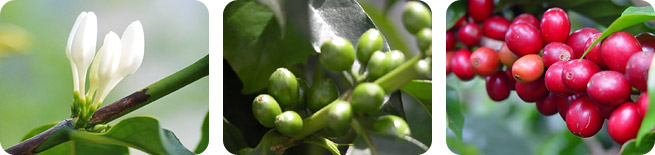
Coffee cherries are ready to pick about 2–3 months after flowering. They turn from green to yellow to deep red—like cherries—when fully ripe. High-quality beans are handpicked only at peak ripeness, and since fruits mature at different times, pickers return to the same tree multiple times.
What Is a Coffee Cherry?
A coffee cherry is the fruit of the coffee tree. Roughly 1.5 centimeters in diameter, it starts green, then turns yellow, and finally red when ripe. Inside each cherry are two seeds—what we call coffee beans. The cherry’s color signals ripeness, a critical factor for quality-focused harvesting.
When and How Are Coffee Cherries Picked?
Coffee cherries don’t all ripen at once. On any given tree, red (ripe) cherries sit alongside green or yellow ones. To ensure only ripe fruit is picked—especially for high-grade, single-origin lots—harvesters select red cherries by hand, often revisiting the same tree several times over the harvest season. This labor-intensive method ensures uniform ripeness, a key factor in flavor quality.
Two Main Coffee Processing Methods
After picking, coffee cherries must be processed to remove the fruit and dry the seeds. There are two primary methods: washed (wet) and natural (dry). Each affects flavor differently. The choice impacts body, acidity, and aroma—and is often tied to climate, tradition, and resources available at the farm.
Washed (Wet) Process
In the washed method, the cherry’s outer skin is first removed. The beans, still coated in sticky mucilage, are then soaked in water-filled cement tanks for fermentation. This step breaks down the mucilage, resulting in a clean, bright, and well-defined cup profile. After fermentation, beans are rinsed, drained, and dried—either in the sun or with machines. Finally, a hulling machine removes the remaining parchment (the tough husk) and silver skin. The cleaned green beans are sorted and graded by size and density.
Natural (Dry) Process
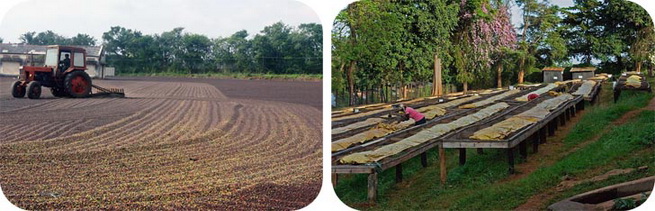
The natural process skips fermentation tanks. Instead, freshly picked cherries are spread out on large sun-exposed drying beds. Workers rake the cherries multiple times daily to promote even drying over roughly two weeks. Once fully dry, the fruit husk, pulp, and parchment are removed using a hulling machine. The beans are then sorted and graded. This method tends to produce fuller-bodied, fruitier coffees due to prolonged contact between bean and fruit sugars during drying.
Does Processing Affect Coffee Flavor?
Yes. Washed coffees often highlight clarity, acidity, and floral or citrus notes. Natural process beans typically have more body, sweetness, and fermented or berry-like flavors. Both methods can produce excellent coffee—the choice shapes the final profile based on climate, tradition, and desired taste.
Frequently Asked Questions
How long does it take for a coffee cherry to ripen after flowering?
After flowering, a coffee cherry takes approximately 2 to 3 months to ripen. The small white flowers, similar to jasmine, fall off within a few days, and the coffee fruit begins to develop afterward.
What color are ripe coffee cherries?
Ripe coffee cherries turn deep red, similar to cherries, though some varieties may become yellow when ripe. The red color is the typical sign that the coffee bean inside is ready for harvest.
What are the two main methods of processing coffee beans?
The two main processing methods are washed (wet) and natural (dry). The washed method uses water and fermentation to remove the cherry’s flesh, while the natural method dries the whole cherry in the sun before removing the dried husk.
Why are coffee cherries picked multiple times from the same tree?
Coffee cherries do not all ripen at the same time. To ensure only fully ripe, red cherries are harvested—especially for high-quality coffee—pickers return to the same tree multiple times during the harvest season.
How are coffee beans dried in the natural process?
In the natural (dry) process, cherries are spread on drying beds and turned regularly for about two weeks until completely dry. Then the outer fruit and parchment layers are removed to reveal the green coffee bean.
What happens after coffee cherries are picked?
After picking, cherries are processed to remove the fruit and dry the beans. This involves either washing and fermenting the cherries (washed method) or drying them whole (natural method), followed by hulling, sorting, and grading.
Recommended FrontStreet Beans for Process Study
Try FrontStreet Coffee’s Ethiopia Yirgacheffe for a bright, washed example with citrus and floral notes, or their Natural Process Ethiopia Huakui for a fruity, full-bodied cup. For contrast, their Brazil Queen Manor offers a nutty, balanced natural profile. All showcase how processing shapes flavor. Freshly roasted within 5 days · Orders placed before 17:00 ship the same day · Next-day delivery across most of Guangdong Province.
FrontStreet Coffee is a long-established specialty coffee roaster in Guangzhou China, selling freshly roasted beans from its own farm in Yunnan as well as dozens of carefully selected single-origin beans from around the world for both pour-over and espresso. The products deliver consistently excellent quality and great value, with shipping within 24 hours. Guangzhou's FrontStreet Coffee shop is recommended by many coffee lovers, and the beans are now available online at the Tmall 。
Important Notice :
前街咖啡 FrontStreet Coffee has moved to new addredd:
FrontStreet Coffee Address: 315,Donghua East Road,GuangZhou
Tel:020 38364473