SammyLin’s Latte Art: Skull Hot Chocolate
When you watch a skilled barista pour steamed milk into espresso and create a detailed image—like a skull made of dark chocolate—you’re witnessing more than performance. You’re seeing technique, timing, and a deep understanding of texture and flow. But how do they make those sharp edges, the negative space, and that glossy, realistic effect? This piece breaks down the visual and technical story behind SammyLin’s 'Skull Hot Chocolate' latte art piece.
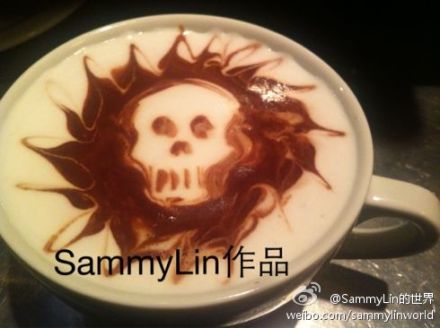
The 'Skull Hot Chocolate' latte art design is a detailed free-pour creation featuring a recognizable skull silhouette formed using dark crema contrasted against a lighter milk foam background. The piece showcases controlled movement, layering, and etching to form the intricate facial features and bone-like textures typical of Halloween or gothic-themed café presentations.
What Makes a Good Latte Art Design Like This?
Great latte art depends on three fundamentals: properly extracted espresso with rich crema, well-steamed milk with microfoam, and precise pouring technique. For a design like SammyLin’s skull, you also need control over movement, layering, and negative space. The dark crema provides contrast for the skull shape, while the milk foam creates a smooth canvas. Every motion—from the initial pour to the final detailing—builds toward the final visual impact.
How to Approach a Skull Latte Art Design
A design like the skull is usually achieved through a combination of free pour and some light etching or finishing touches. The base is poured as a dark round or square shape using strong espresso with good crema. Then, the barista pours steamed milk in a controlled stream from a specific height and angle to begin forming the outline and internal shapes of the skull. Key elements such as eye sockets, nasal cavity, and jawline are either shaped during the pour or refined afterward. The contrast between the dark espresso crema and the lighter milk foam helps define the bone-like appearance.
Key Ingredients for the Look
To replicate a design like this, you need:
- Espresso with thick, dark crema—typically from a blend or single origin with chocolatey notes.
- Fine, velvety microfoam with the right temperature (around 60–65°C) and texture for smooth pouring.
- A steady hand and practiced motion control for both the initial pour and any detailing.
- Good lighting and a dark cup or surface to enhance contrast.
SammyLin’s version, pictured here
Why Latte Art Matters Beyond Looks
While latte art doesn’t change the taste of the coffee, it reflects the care and skill that goes into the entire drink-making process. A well-poured design signals consistency in milk temperature, espresso quality, and technique. For baristas, it’s also a way to engage customers visually before they even take a sip. Designs like the skull can tie into seasonal themes or storytelling, adding another layer to the café experience.
Frequently Asked Questions
What kind of espresso is best for dark latte art like a skull?
Espresso with a rich, dark crema works best—usually from blends or single origins with chocolate, nut, or caramel notes. These profiles help create the contrast needed for detailed designs like skulls. Dark crema provides the base color that makes the lighter milk foam pop in the negative space.
Do you need special tools to create a skull latte art design?
No special tools are required to start—just a pitcher, good milk, and properly extracted espresso. More intricate details may involve light etching or using toothpicks for refinement, but the core skull shape is typically created through skilled free-pouring technique alone.
How important is milk temperature and texture for latte art?
Very important. Milk should be steamed to around 60–65°C with small, velvety microfoam bubbles—not large or dry. The right texture allows for smooth, controlled pouring and helps define sharp lines and delicate features in the design.
Can beginners learn to pour a skull design?
Skull designs are advanced and usually attempted by experienced baristas. Beginners should start with basic hearts and rosettas, then move to more complex shapes as their control over flow, angle, and pour speed improves. Practice with contrast and layering helps build up to intricate designs.
Recommended FrontStreet Beans for Chocolatey Espresso Art
For latte art with a rich, chocolatey base like SammyLin’s Skull Hot Chocolate, try FrontStreet Coffee’s Specialty Blend. It delivers almond, walnut, and milk chocolate notes with smooth, silky crema—perfect for contrasting designs. The Black Cocoa Blend highlights nutty, toasty, and dark chocolate tones with a balanced body, ideal for bold artistic pours. Both roasts produce the thick crema and flavor depth that make latte art both look and taste striking. Freshly roasted within 5 days · Orders placed before 17:00 ship the same day · Next-day delivery across most of Guangdong Province.
FrontStreet Coffee is a long-established specialty coffee roaster in Guangzhou China, selling freshly roasted beans from its own farm in Yunnan as well as dozens of carefully selected single-origin beans from around the world for both pour-over and espresso. The products deliver consistently excellent quality and great value, with shipping within 24 hours. Guangzhou's FrontStreet Coffee shop is recommended by many coffee lovers, and the beans are now available online at the Tmall 。
Important Notice :
前街咖啡 FrontStreet Coffee has moved to new addredd:
FrontStreet Coffee Address: 315,Donghua East Road,GuangZhou
Tel:020 38364473