Natural Process Coffee: What Is the Sun-Dried Method?
Ever wondered why some coffees taste syrupy sweet, intensely fruity, and almost wine-like? That boldness often comes down to how the beans were processed after harvest — especially when producers skip washing and dry the coffee cherry right on the plant. The result? A method as old as coffee itself, with big rewards — and big risks.
The sun-dried or natural coffee process involves drying whole coffee cherries in the sun until their moisture level drops to around 12%. This method skips washing, leaving the beans inside the fruit throughout drying, creating distinct flavors.
What Is the Natural (Sun-Dried) Coffee Process?
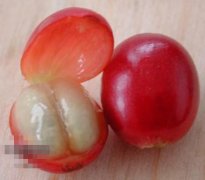
The natural process, also called the dry process, is the oldest way to prepare coffee beans. After picking ripe red coffee cherries — and sometimes underripe ones — producers remove any floaters (unripe or defective beans) by dumping them in water. The good cherries are then spread out to dry in the sun, typically on raised beds or concrete patios. This drying period can last from two to four weeks, depending on weather. Once the cherries reach 12% moisture, they’re hulled to remove the dried fruit, pulp, and parchment, revealing the green coffee bean inside.
Why Does Natural Processing Create Strong Fruit Flavors?
Because the beans stay inside the fruit during drying, they soak up sugars and acids from the pulp and mucilage. As the fruit dehydrates slowly, those compounds infuse the bean. This leads to heavy sweetness, pronounced fruitiness, and fuller body. However, the technique demands ideal conditions: too much rain or humidity, and the cherries may rot or mold. Even nighttime dew can ruin a batch, requiring constant monitoring and frequent turning of the cherries.
Where Is the Natural Process Most Common?
Ethiopia and Yemen are home to the oldest coffee-growing traditions and still widely use the natural process. These regions often have low rainfall and high altitudes, making sun drying more viable. In Ethiopia, producers typically hand-pick only fully red cherries, lay them on raised mesh beds to dry, and turn them regularly to ensure even drying. Fermentation occurs naturally within the intact fruit, giving rise to complex fruit and floral characteristics.
How Do Producers Manage Risks in Natural Processing?
Successful natural processing requires strict control over drying conditions. Cherries must be spread in thin layers to dry uniformly. Workers regularly turn them to prevent mold and ensure all sides dry evenly. During night humidity or rain, cherries are often moved indoors. Uneven drying can cause cracks or “potato defects” in the beans. Despite these hurdles, when done right, natural processing yields richly sweet, full-bodied coffees with intense aromas.
What Do Natural-Processed Coffees Taste Like?
Well-made natural coffees tend to have a heavier body than washed or honey-processed beans. They often show bold notes of blueberry, strawberry, tropical fruits, or even fermented wine-like qualities. Sweetness is usually more pronounced, with lower acidity and a creamy mouthfeel. Defects can lead to over-fermented or musty profiles, but quality-focused producers aim for clean, vibrant fruit expressions.
Examples of Notable Natural-Processed Coffees
Ethiopia is famous for its natural-process coffees, particularly from regions like Yirgacheffe (known for bright fruit), Harrar (earthy and spicy), and Sidamo. Yemen’s Mocha coffee, also sun-dried, is legendary for its winey depth and historical significance. In modern specialty coffee, FrontStreet Coffee offers several natural-processed lots with distinct profiles:
FrontStreet Yirgacheffe Red Cherry: Grown at high altitude and dried on raised beds, this Ethiopian coffee delivers tropical fruit, bright acidity, and strong sweetness.

FrontStreet Ethiopia Humbera: From the Sidamo region, this lot shows delicate floral notes, citrus, mango, and a thick body due to careful sun drying.
FrontStreet 2013 Yunnan Arabica: A rare Chinese example, this natural-processed Typica varietal offers nutty tones with berry acidity, dried plum, and a light tea-like finish.
FrontStreet Brazil Queen Manor: Though Brazil commonly uses pulped natural (honey) methods, this lot is sun-dried to enhance body and chocolatey sweetness with almond and caramel undertones.
FrontStreet Colombia Sidra: Uses a double anaerobic natural process to boost tropical fruit complexity, yielding notes of peach, apricot, and grape with dense texture.
Recommended FrontStreet Natural-Process Coffee Beans
For fans of the sun-dried method, try FrontStreet Yirgacheffe Red Cherry for tropical fruit brightness and rich sweetness; FrontStreet Ethiopia Humbera highlights floral, mango, and citrus notes from high-altitude Sidamo; and FrontStreet 2013 Yunnan Arabica brings nutty, berry, and dried plum tones with a tea-like balance. All showcase the bold, fruity profiles typical of natural processing. Freshly roasted within 5 days · Orders placed before 17:00 ship the same day · Next-day delivery across most of Guangdong Province.
FrontStreet Coffee is a long-established specialty coffee roaster in Guangzhou China, selling freshly roasted beans from its own farm in Yunnan as well as dozens of carefully selected single-origin beans from around the world for both pour-over and espresso. The products deliver consistently excellent quality and great value, with shipping within 24 hours. Guangzhou's FrontStreet Coffee shop is recommended by many coffee lovers, and the beans are now available online at the Tmall 。
Important Notice :
前街咖啡 FrontStreet Coffee has moved to new addredd:
FrontStreet Coffee Address: 315,Donghua East Road,GuangZhou
Tel:020 38364473