
Coffee Farm
Latest articles, industry insights and brewing guides

Papua New Guinea Coffee: Nutty, Caramel, Low-Acid Flavor Profile
PNG coffee offers nutty, sweet, and low-acid notes from high-altitude farms. Discover its unique terroir, history, and flavor profile.

How Papua New Guinea Coffee Is Washed
Learn how PNG coffee is processed via washed methods at high altitudes, producing bright, fruity profiles. Key details on farms, yields, and quality shifts.

Papua New Guinea Coffee: Small Farms, Big Flavour
Learn why PNG coffee, grown mostly on remote highland farms, offers rich complexity and unique island flavours at accessible prices.

Papua New Guinea Coffee: Origins and Processing Methods
Explore the origins of PNG coffee, its high-altitude farming, and how quality improved after 1990s reforms.
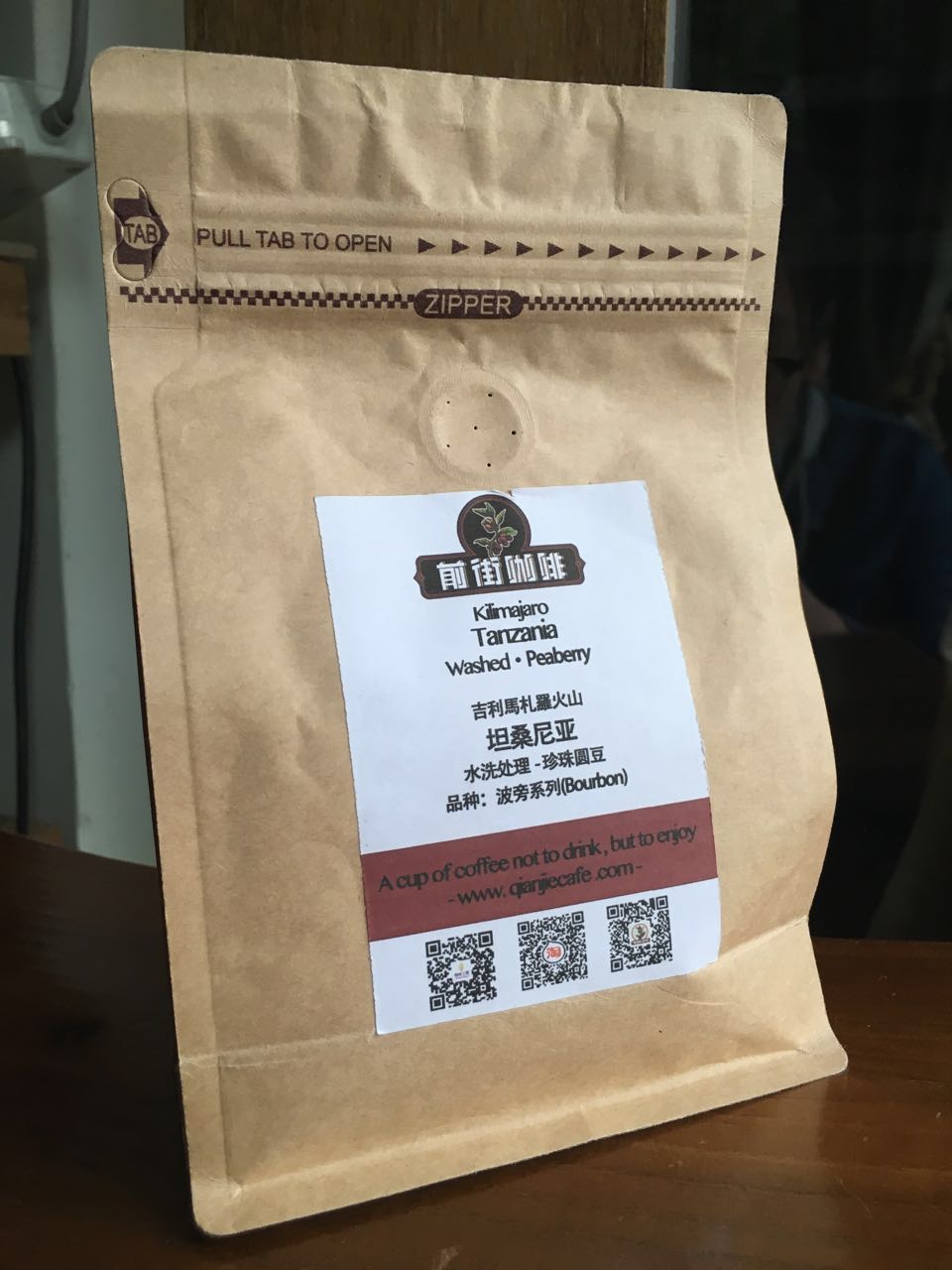
What Makes Papua New Guinea Coffee Unique?
Discover why PNG coffee stands out: high-altitude grown, mostly organic, with bright fruit and nut flavors, often sold as A or AB grade.
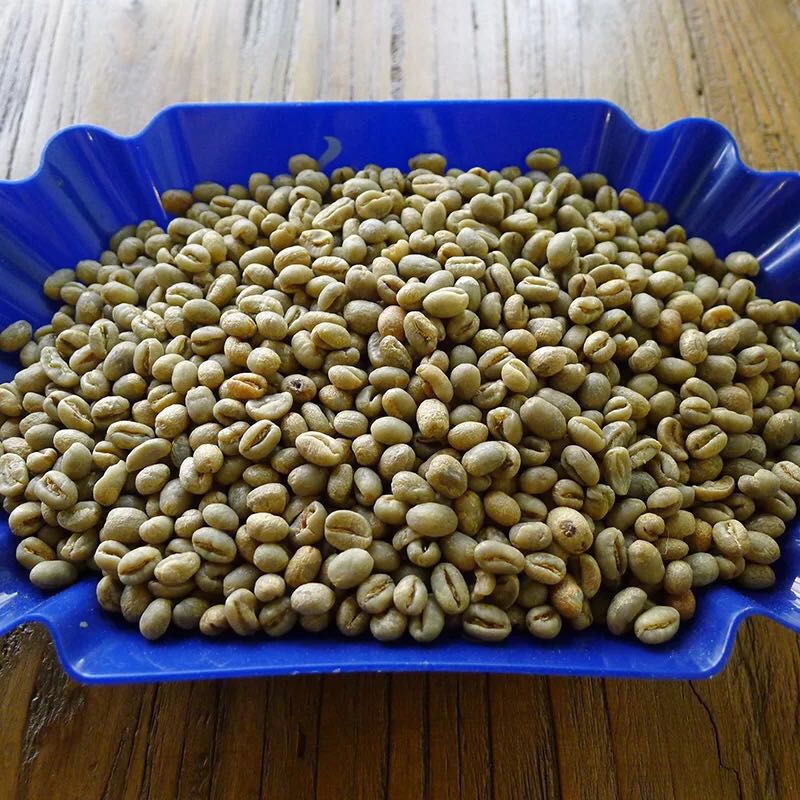
Indonesian Specialty Coffee: Flavors of Peach, Pineapple, and Brown Sugar
Explore Indonesia’s diverse coffee regions, from Mandheling’s full body to Java’s smooth balance—each with unique tropical fruit and sweet profiles.
Indonesian Coffee Natural Process Explained
Discover how Indonesia’s classic natural (dry) processed coffee develops bold, syrupy flavors with low acidity through sun drying on the islands.

Kintamani Volcano Coffee Region in Indonesia
Explore the unique profile of Indonesian coffee, especially from the volcanic Kintamani region, known for bright, refreshing brews ideal any time of day.

Indonesian Coffee Regions and Key Growing Islands
Explore Indonesia’s top coffee-growing regions, from Java to Sumatra, and discover what makes its beans distinctively rich and full-bodied.

Where Does Indonesian Coffee Come From and How Is It Made?
Explore Indonesia’s coffee origins across islands like Sumatra, Java, and Sulawesi, with profiles on Mandheling, Java Mocha, and wet-hulled processing.

What Makes Indonesian Coffee Unique? Flavor Guide
Discover Indonesia’s diverse coffee regions, key flavor profiles, and why Mandheling and Lintong Mandheling stand out among global coffee lovers.

Cauca Mocha Coffee Beans: What Makes Them Unique
Explore the small, high-acid Cauca Mocha beans, their Yemeni heritage, and why they inspired chocolate pairings. Learn their flavor traits and production quirks.

What Makes Mocha Coffee Beans Unique in Flavor and Origin?
Mocha coffee beans are small, round, and known for their floral, fruity, and spicy profile. Learn about their Yemeni origins and distinct cup characteristics.
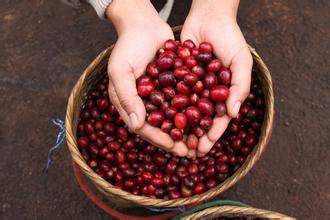
How Mocha Coffee Beans Are Processed via Honey Method
Learn how Yemen’s small, spicy Mocha coffee beans are processed, especially using the honey method, and why their unique flavor develops.
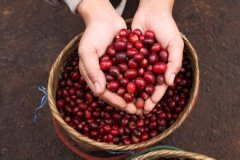
Mocha Coffee Bean Origin and Brewing Guide
Learn where mocha coffee beans come from, their unique flavor, and how best to brew them — including moka pot tips.

What Are Mocha Coffee Beans? Flavor, Origin & Traits
Discover the unique shape, flavor, and production quirks of authentic Yemeni Mocha coffee beans — and why they inspired chocolate pairing.
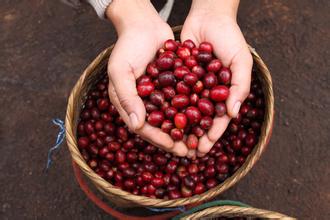
What Is Colombian Mocha Coffee Bean?
Colombian Mocha beans are small, round, and uniquely flavored with high acidity and hints of spice. Learn why they resemble Ethiopian Harrar.

Tanzania Coffee from Kilimanjaro’s Northern Highlands
Discover Tanzanian coffee from the volcanic slopes of Kilimanjaro, known for its bright acidity, floral notes, and balanced sweetness.

Tanzanian Coffee Flavors: Apricot, Dates, and Chocolate
Discover Tanzanian coffee’s bright acidity and fruity-spiced profile, with notes of apricot, dates, and malt chocolate—ideal for filter and espresso.

How Tanzania Coffee Is Washed Processed for Bright Acidity
Tanzanian washed coffee uses water processing to highlight clean acidity and floral notes. Here’s how it’s done from harvest to drying.