
Coffee Farm
Latest articles, industry insights and brewing guides
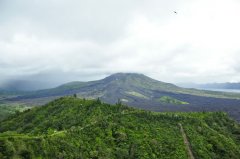
Antigua coffee Antigua Coffee Eckart fruit Guatemala boutique coffee black coffee
The term "fine coffee" was first put forward by Ms. Knudsen of the United States in Coffee and Tea magazine. At that time, Ms. Knudsen, as a coffee buyer at B.C. Ireland in San Francisco, was very dissatisfied with the neglect of the quality of raw coffee in the industry, and even some big roasters mixed a large amount of Robesda beans in the comprehensive beans, so she put forward the concept of boutique coffee.

Blue Mountain Coffee with harmonious taste and excellent flavor introduces boutique coffee.
There are three main types of Jamaican coffee: blue Mountain Coffee (Blue Mountain Coffee) Alpine Top Coffee (Jamaica High Mountain Supreme Coffee Beans) Jamaican High quality washed Coffee (Jamaica Prime washed) the Jamaican government gives a very strict definition of Blue Mountain coffee: it must grow in the Blue Mountain area designated by the Jamaican Coffee Bureau.

Full-flavored Bolivian coffee beans introduce the Yongas region northeast of La Paz
Takesi Manor, drinking water and coffee after harvest treatment, using alpine melting cold snow landscape, so we give her a nickname: Takesi Snow vein Manor; in addition to the low temperature, pollution-free environment, fertile and well-drained volcanic soil is also the Yongas element in the northeast of La Paz, Agrotakesi SA group owner, although rich, but deep respect for nature and plain.

Mellow bitterness and excellent balance of Nicaraguan Coffee production area introduces Matagalpa production area
Dry aromas are full of chocolate, with aromas of hazelnut and cocoa. The wet aroma also has the smell of chocolate, accompanied by the smell of orange peel. With the baking degree of city+, the bright lemon acid and long cocoa finish are wonderful. Dry aroma (1-5): 3.8 wet aroma (1-5): 3.8 acidity (brightness) (1-10): 8.9 taste (layered) (1

Introduction to the Paradise Bird Manor in Papua New Guinea with plump grains and light acidity
However, it is almost inevitable that the surge in production leads to a decline in quality. Before 1991, the quality of coffee was good, and most of it belonged to open Y and so on. After 1991, the quality gradually declined, and then the European market was lost.

The coffee-growing area around the active volcano introduces the coffee-producing areas of Guatemala.
The aroma of coffee liberates all forms, hearts and national boundaries. Through coffee, the mood leaves the country at any time and lands in a strange country half a world away. Even at the end of the world, you can share a mood. Antigua was the capital of the Spanish colonial period in 1543. Although this emerald-like valley has been in all directions, layers upon layers, deliberately waiting for development and crisis since ancient times.

Historical Source of Coffee cultivation in Kenya Manor introduction to the Central Mountain area of Nyeri
Kenyan coffee of origin Kenyan coffee entered Kenya in the 19th century, when Ethiopian coffee drinks were imported to Kenya through southern Yemen. But it was not until the early 20th century that the bourbon was introduced by the St. Austen Mission (St.AustinMission). Kenyan coffee is mostly grown at an altitude of 1500m, 2100m, and is harvested twice a year. To ensure that only mature

Mantenin Coffee Bean producing area with the strongest fragrance introduced Lindong, Sumatra
Mantenin's leaping acid mixes with the richest aroma, making your relaxed body manning coffee lively in a mild fragrance, and its outstanding taste captivates many suitors. In the 17th century, the Dutch introduced Arabica seedlings to Ceylon (present-day Sri Lanka) and Indonesia. In 1877, a large-scale disaster struck Indonesia

Introduction of Honduran coffee beans with the best taste of moderate roasting and rich and unique aroma
The extremely balanced nature of Honduran coffee makes it a wide range of uses. Can be used to mix coffee, can also be used as a single product to brew, mixed with Honduran coffee Italian concentrate will have a surprising effect. Although in troubled times, coffee can also grow its own beauty, it is not difficult to understand why so many people are so obsessed with this dark liquid.
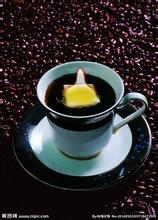
An introduction to the coffee-producing areas of El Salvador with the name of "the land of volcanoes"
A brief History of Coffee production in 1742, coffee was introduced to El Salvador from the Caribbean (1740). In the mid-19th century, El Salvador's original export pillar Indigo (one of the dyes) received a gradual decline in the development of synthetic dyes in Europe, and coffee gradually became the main export product under the guidance of the government. In 1856, the first 693 bags of coffee beans were shipped to Europe. all long
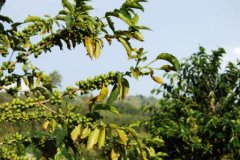
Sulawesi Sulawesi Cyberis Traga production area mixed with Espresso formula
The term "fine coffee" was first put forward by Ms. Knudsen of the United States in Coffee and Tea magazine. At that time, Ms. Knudsen, as a coffee buyer at B.C. Ireland in San Francisco, was very dissatisfied with the neglect of the quality of raw coffee in the industry, and even some big roasters mixed a large amount of Robesda beans in the comprehensive beans, so she put forward the concept of boutique coffee.

Costa Rican coffee beans with unique strong flavor introduce boutique coffee
Costa Rican coffee has full particles, ideal acidity and unique strong flavor. Costa Rica's coffee industry, originally controlled by the Costa Rican Coffee Industry Company (InstitutodelCafdeCostaRica, ICAFE), has been taken over by the official Coffee Committee (OficinadelCaf). In the coffee exported, those products that are considered to be of substandard quality use blue.

Introduction of Colombian coffee beans with high quality, delicious taste and worldwide reputation
The origin of Colombian coffee the pure taste of Colombian coffee comes from Colombia's natural environment with the most favorable conditions for coffee growth. But beyond that, it is inseparable from the hard work of local growers. In Colombia, the planting area of coffee has reached 1.07 million hectares, there are about 302000 coffee plantations in the country, and 30 to 40 percent of the rural population live directly.

White honey treated Panama coffee beans Flavor Introduction Boutique coffee
Panama Manor: Lerlda Estate Lot10 Treatment: White Honey Variety: Catuai Score and CuppingScore:87 lime,floral coconut, clean,sparkling, mediumbodied Unique Colombia red wine

Introduction of Kilimanjaro Coffee, the main producer of coffee in Tanzania
Coffee from Tanzania has long been loved by Europeans and is among the most famous products. Europeans give Tanzania a nickname for coffee gentleman, and Chinese coffee connoisseurs call it the coffee swordsman with the coffee king Blue Mountain and the coffee lady's mocha. Mount Kilimanjaro in Tanzania is 5895 meters above sea level, connected to Mount Meru and is Kilimanjaro

Introduction of Kilimanjaro Coffee, the main producer of coffee in Tanzania
Coffee from Tanzania has long been loved by Europeans and is among the most famous products. Europeans give Tanzania a nickname for coffee gentleman, and Chinese coffee connoisseurs call it the coffee swordsman with the coffee king Blue Mountain and the coffee lady's mocha. Mount Kilimanjaro in Tanzania is 5895 meters above sea level, connected to Mount Meru and is Kilimanjaro
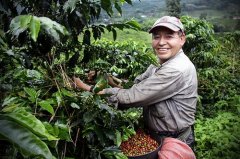
Sumatra Sumatra is one of the most suitable deep-roasted coffee beans with heavy flavor and low acidity
The term "fine coffee" was first put forward by Ms. Knudsen of the United States in Coffee and Tea magazine. At that time, Ms. Knudsen, as a coffee buyer at B.C. Ireland in San Francisco, was very dissatisfied with the neglect of the quality of raw coffee in the industry, and even some big roasters mixed a large amount of Robesda beans in the comprehensive beans, so she put forward the concept of boutique coffee.
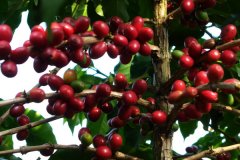
Java Java tastes clean, soft fruit, acidity and aroma, premium Java bean coffee.
In fact, according to Ms. Knudsen, people started drinking fine coffee, but later, due to the growing demand for coffee, the discovery and use of new coffee varieties led to the decline of coffee quality. later, people even began to dislike this bad coffee and began to turn to other drinks. In this case, Ms. Knudsen's re-recognition

The famous Rwandan coffee producing area manor, which is famous for washing and treating coffee beans, introduces the western province road of Kimmel Manor.
In 1999, 220 coffee growers formed guilds in the Malaba area (formerly part of Butare province) to address the disease. Among the guild members, many farmers were separated from their loved ones by the 1994 mass massacre, while some husbands were jailed or were taken to the traditional Gacaca Court (gacaca) to face trial on charges of participating in the massacre. They named the guild Abauza.

Introduction of jasmine, lemon, peach, almond sweet and tea-scented Yejiachefi coffee beans
The so-called Yega Snow Flavor refers to strong aromas of jasmine, lemon, peach, almond and tea. The author's tasting experience has only one sentence: coffee entrance, flowers in full bloom! Just like a flower touches the comfort of taste buds and olfactory cells in the nasal cavity. In addition to the fragrance of the flowers, the delicate mellow thickness (body) is like silk massage in the mouth. Traditionally, Yega snow caffeine is the oldest.