Tuesday, September 8, 2026 · Leading English Source for Global Coffee Industry

Coffee Knowledge

Latest articles, industry insights and brewing guides

Properties of coffee beans during roasting Coffee roasting tips

Properties of coffee beans during roasting Coffee roasting tips

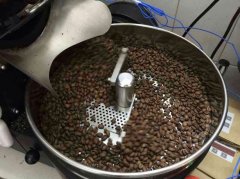
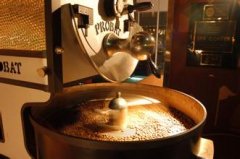
The roasting process is the main process in heating green beans to develop coffee aroma and taste. The aroma and taste emitted are determined by the original characteristics of each raw bean. The depth of fried beans depends on the type of raw beans, market demand or cooking method. Which baking machine is used to control the depth of fried beans. Even though the chemical and physical components of the various raw beans themselves are different, these components

There are two varieties of coffee: Arabica and Robusta.

There are two varieties of coffee: Arabica and Robusta.

At present, the main varieties of coffee grown in the world come from two original varieties: Arabica and Robusta. The planting methods, growth environment and other conditional characteristics of the two are different, and even the caffeine content is quite different. Arabica Robusta is mainly found in tropical Central and South America, Madagascar in west-central and eastern Africa, and Indonesian species in Asia.

The simple use of the French press pot coffee basic knowledge

The simple use of the French press pot coffee basic knowledge

The coffee produced by the French press can well retain the different flavors of different coffee beans, and the single product made can make people drink the taste intuitively. The method of using the pressure pot is very simple, but what is not mastered is bitter water. Three variables of coffee press. One: powder thickness, two: water temperature, three: time 1, powder thickness method pressure requirements for grinding are not too high, but for

Introduction to the main Coffee producing areas in the World

Introduction to the main Coffee producing areas in the World

Coffee comes from coffee beans, which are harvested and processed from the fruit of trees. Coffee trees grow at the center of the equator, between latitudes of 25 degrees south and north, and are called the homes of tropical or subtropical countries called coffee belts. At present, there are about 60 coffee-producing countries. Coffee is produced in South America, Central America, the West Indies, Asia, Africa, Arabia, the South Pacific and

What does the tree species of coffee look like?

What does the tree species of coffee look like?

The coffee beans we usually see are red fruits on trees, seeds without peel and pulp. It is a kind of plant, so there will naturally be different tree species, just as there are many kinds of apples. There are two main categories visible in the market: Arabica and Robusta (rough flavor, caffeine more than twice as high as Arabica, not a boutique coffee variety. But in recent years, India

Apr 14, 2015 160 views #Coffee #tree species #what kind?
Coffee bean flavor characteristic attributes of coffee in eight major producing areas of Guatemala

Coffee bean flavor characteristic attributes of coffee in eight major producing areas of Guatemala

The Ekatra Valley rises to 2000 meters (6500 feet), with dense shade and unique ecology, and the nearby Fuego volcano erupts, making its coarse, sandy soil rich in a variety of minerals. Temperate sea breezes from the Pacific and a seasonal climate allow coffee in this region to be dried by sunlight and processed according to traditional family methods that have been accumulated over the years. [characteristics]

Arabs pay attention to the basic knowledge of coffee when they drink coffee.

Arabs pay attention to the basic knowledge of coffee when they drink coffee.

Arabs like to drink coffee, this kind of coffee is called Turkish coffee or Arabica coffee, the cup is small, strong, the color is close to black. Usually, they have a drink after dinner or when they entertain guests, and it is a big part of their lives to go to a cafe when they are all right. This kind of coffee is popular in the Middle East, North Africa and Central Europe. Unlike other coffee, Turkish coffee

Apr 14, 2015 137 views #Arabs #coffee #dainty #basics #common sense
The taste of coffee The basics of drinking coffee

The taste of coffee The basics of drinking coffee

I don't know if you've ever heard the saying, if I'm not at home, I'm in a coffee shop; if I'm not in a coffee shop, I'm on my way to a coffee shop. Because of that, I started drinking coffee. I remember the first time I drank coffee, I didn't know what brands like G7, Bond, Maxwell, etc. I drank the well-known brand Nestle. Chong

The origin of ice drop coffee the source of ice brewed coffee

The origin of ice drop coffee the source of ice brewed coffee

The origin of ice drop coffee ice drop coffee originated in Europe, because the coffee distiller was invented by the Dutch, some people call it Dutch Coffee, espresso or water drop coffee. Ice drop coffee is extracted bit by bit for about 8 hours due to its compatibility with water, mainly by condensation and natural osmotic water pressure. The smell of coffee extracted by a coffee distiller

The basic knowledge of Coffee the sources and characteristics of mocha pot

The basic knowledge of Coffee the sources and characteristics of mocha pot

The source of mocha pot, also known as direct-fire Italian coffee pot or semantic mocha pot, is a kind of traditional Italian coffee utensils. Italian mocha pot (Moka Express) comes from the name, because it is related to mocha coffee (Mocha), originated in 1933 invented by Mr. Alfonso Bialetti in Italy, only because of this coffee utensil invented by Mr. Bialetti.

Uncle Dou talks about coffee about American coffee.

Uncle Dou talks about coffee about American coffee.

Some friends have questions about the practice of American coffee. Dilute a cup of Espresso with water. Is it American coffee? Uncle Dou's answer: it is indeed so. Let's first take a look at how American coffee appears and is named. American coffee was born after World War II, when the Americans ended the war in Europe, many troops came to southern Europe, they could not drink Espresso, so

Traditional Greek coffee Italian coffee

Traditional Greek coffee Italian coffee

Recently, I went to Rhodes, Greece, which is closest to Turkey (RODOS) for a holiday. There is an island with a strong European flavor. In addition to the ancient medieval castle, Knight Street and charming Butterfly Valley, a traditional coffee attracted me. I stayed in a three-star hotel called AGLA HOTEL, although the hotel is not big, but the breakfast is very rich, the waiter brought a pot of coffee or English red

Patented technology increases the content of polyphenols in roasted coffee beans

Patented technology increases the content of polyphenols in roasted coffee beans

The technology includes two processing steps: the first step is to use water extraction technology to extract and dissolve the polyphenols in raw coffee beans, and the second step is to roast the coffee beans with excessive polyphenols in almost vacuum. Spray high concentration of polyphenols aqueous solution before ending baking, thus greatly increasing the polyphenols in roasted coffee beans.

Roasting coffee essentials Boutique coffee red envelope bar Common sense

Roasting coffee essentials Boutique coffee red envelope bar Common sense

Stir-frying determines the aroma of coffee. Stir-frying raw coffee beans can make coffee unique color, taste and aroma show up. 80% of coffee taste is determined by frying, so the quality of coffee also depends on frying technology. By frying, green coffee beans can be changed into the familiar dark brown coffee beans. If fried well, coffee beans have a very aromatic, sour taste

Practical explanation on the examination rules of roasted Coffee production license

Practical explanation on the examination rules of roasted Coffee production license

First, the general situation of the development of the industry. Coffee tree belongs to Rubiaceae. Out of a total of 73 varieties, only Arabica (Coffea ara-bica Linnaeus) and Canifera (Coffea canephora Pierre) are cultivated by humans. The remaining 71 varieties are wild, but of no value to growers. The 200 varieties of Arabica include the previous varieties of Mocha, Bourbon and Horse.