
Coffee Knowledge
Latest articles, industry insights and brewing guides

How 18th-Century Roasting Methods Shaped Modern Coffee
Early coffee roasting was crude and inconsistent—but regional preferences and industrial advances set the stage for today’s specialty practices.

From Brown to Black: How Coffee Roasting Evolved
Early Arabic coffee was roasted light brown. By the 1600s, some cultures roasted beans nearly black, ground them fine, and sweetened the brew—creating Turkish-style coffee.

From Spoons to Airflow: The History of Coffee Roasting Tools
How did coffee roasting evolve from primitive spoons to modern airflow roasters? Discover the key milestones and tools that shaped today’s specialty coffee.

How Coffee Bean Appearance Changes During Roasting Stages
From pale green to dark brown, here's what happens visually and audibly during each stage of coffee roasting — with exact temperatures and sounds.

Home Coffee Roasting: Read and Roast Like a Pro
Yes, you can roast coffee at home—even without pro training. With clear guidance, decent gear, and basic understanding, great results are achievable.

Why Roast Your Own Coffee Beans at Home
Discover six compelling reasons to roast your own coffee beans, from unmatched freshness to cost savings and deeper coffee appreciation.

Home Coffee Roasting Explained: A Classic Guide Overview
Learn why home coffee roasting remains a niche but rewarding craft, how it has evolved since 1996, and how to start exploring fresh-roasted flavor at home.

Why Do We Roast Coffee Beans?
Roasting transforms raw green coffee beans into aromatic, flavorful beans used for brewing. Here's why this essential step unlocks coffee’s taste.

How to Roast Coffee Beans at Home Using an Oven
Roast green coffee beans at home with an oven using a two-stage method: 150°C for 10 minutes, then 230°C for 25 minutes. Includes cooling and hulling steps.

Common Specialty Coffee Types and Their English Names
Wondering how to say your favorite coffee in English? Here’s a clear list of common specialty coffee types with their proper English names.

What Is Espresso? Espresso Roasting Basics Explained
Learn the essentials of espresso roast levels, from Northern to Southern Italian styles, plus how roast depth affects flavor and extraction.

How Long Do Fresh Roast Coffee Beans Stay Fresh?
Freshly roasted coffee peaks in flavor 3–7 days after roasting. Learn how to store beans to preserve aroma, acidity balance, and complexity.

How to Taste and Understand Real Coffee Flavors
Learn how to identify true coffee flavors, overcome common misconceptions, and start appreciating coffee like a pro with practical brewing advice.
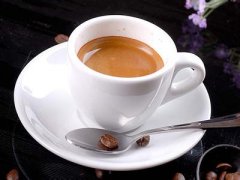
How Long Do Roasted Coffee Beans Stay Fresh?
Roasted coffee stays fresh for 3–4 months max. Learn how oxygen, heat, and light degrade flavor—and how to store beans properly.

The Three Main Coffee Varieties Explained
Learn the differences between Arabica, Robusta, and Liberica coffee varieties — from flavor profiles to growing conditions and global production.
How to Grind Coffee Beans for Every Brewing Method
Master the right grind size for French press, pour-over, moka pot and espresso. Learn how brew time and extraction affect flavor.

How Long Do Coffee Beans Stay Fresh? Storage Basics
Learn how to store coffee beans and grounds properly. Find out the best storage times, factors that degrade freshness, and vacuum pack shelf life.

Coffee Blend Basics: Acidic, Bitter, Neutral & Sweet Blends
A guide to common specialty coffee blend ratios for acidic, bitter, neutral, and sweet profiles, with recommended base beans like Brazil, Colombia, and Yemen Mocha.

Breaking Down Coffee Bean Composition: What’s Really Inside?
Discover the exact chemical makeup of green and roasted coffee beans, including caffeine, tannins, fats, sugars, and fiber, and how they shape flavor.

How Coffee Beans Are Classified by Taste Profile
Learn how coffee beans are grouped by flavor—acidic, bitter, sweet, neutral, or aromatic—and which origins define each taste category.