
Coffee Knowledge
Latest articles, industry insights and brewing guides

Why Opening a Café Is More Than Just Coffee
Running a coffee shop isn’t just about profit—it’s a path to personal growth, community, and a richer lifestyle.

How Coffee Became China’s Daily Ritual
Five years in China’s coffee scene show how daily brews replaced luxury — and why cafes are now essential third spaces.

How COE Cupping Scores Define Specialty Coffee Quality
Learn how COE scoring works: 8 key categories, what each means, and how scores from 6 to 8 distinguish commercial from competition-grade coffee.

Coffee-to-Water Ratio: What’s the Standard?
Find out the ideal coffee-to-water ratio for brewing, including standard and enthusiast ratios with weight, volume, and conversion formulas.

EU Officials Find Toxic Metals in Italian Office Coffee Machines
High-end Italian coffee machines in the EU HQ produced espresso with nickel levels 175x over safe limits and 15% more lead.

Why You Should Avoid Using Your Espresso Machine's Boiler Water
Using your espresso machine’s boiler water for tea or cleaning can pose health risks and damage your machine. Here’s why you should limit its use.

Essential Specialty Coffee Tasting Terms Explained
Learn what body, finish, sweetness, bitterness, and complexity really mean in specialty coffee. These neutral tasting terms help describe flavor experience.
How Coffee Grounds Are Used to Build Houses in Colombia
Colombian engineer Luis Roque turned discarded coffee grounds into durable building materials, constructing affordable homes for under $7,000.

Coffee May Help Prevent Head and Neck Cancers
Drinking three or more cups of coffee daily may reduce your risk of head and neck cancer by nearly half, especially for the mouth and throat.
Drinking Coffee Lowers Type 2 Diabetes Risk, Study Finds
New research shows drinking one more cup of coffee daily may cut your type 2 diabetes risk by 7%, with three to four cups reducing risk up to 25%.

What’s Actually in Your Coffee? Key Coffee Bean Compounds Explained
Learn the essential chemical components in coffee—caffeine, tannins, fats, sugars, and minerals—that shape flavor, aroma, and effects per 100g of brew.

What Is Washed Coffee Processing? The Complete Guide
Washed coffee processing removes the fruit and pulp to highlight bean character. Learn how it works, why it creates clean flavors, and how long it takes.

Natural Coffee Processing: How Sun-Dried Coffee Works
Learn how sun-drying, or natural processing, creates bold, fruity coffee with 12.5% moisture — the traditional method behind many classic African and Brazilian beans.

Essential Coffee Flavor Terms Every Specialty Coffee Drinker Should Know
Learn the key specialty coffee flavor terms like acidity, body, bitterness, and more—explained clearly for better tasting and buying decisions.
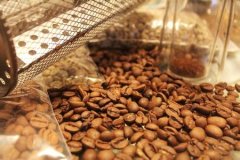
Key Chemical Reactions During Coffee Roasting
Learn the essential chemical reactions—like caramelization, Maillard, and cellulose breakdown—that shape coffee’s flavor during roasting.
What Is Brazilian Santos Coffee?
Brazil Santos is a low-acid, smooth, and balanced coffee known for its versatility in blends and espresso. Learn why it’s a global classic.

Best Water Temperature for Pour-Over Coffee
Find the ideal water temperature range for balanced pour-over coffee, and how roast level and bean freshness affect your brew.
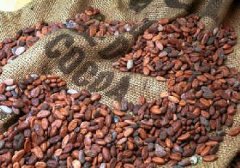
Understanding Coffee Roast Levels: From Light to Dark
Learn the 8 standard US coffee roast levels, their L-values, flavor profiles, and how roast depth shapes your cup.
Specialty Coffee Bean Terminology Explained
Learn essential specialty coffee bean terms like roast level, processing, and defects — with exact Agtron numbers, defect types, and processing methods.

Why You Shouldn’t Drink Coffee on an Empty Stomach
Doctors warn that drinking coffee on an empty stomach increases stomach acid, especially risking flare-ups in people with ulcers. Here’s what to know.