
Coffee Knowledge
Latest articles, industry insights and brewing guides

What Is Specialty Coffee? Definition and Standards Explained
Specialty coffee is high-quality Arabica grown in ideal conditions, processed carefully, and scored above 80 points. Here’s what truly defines it.

What Is COE Coffee and How Does the Rating Work?
Learn how the Cup of Excellence (COE) competition finds top-scoring specialty coffees through expert panels and how winners earn premium auction prices.

4 Types of Coffee Roasters Explained: Direct Heat to Hot Air
Coffee roasters come in four main types: direct-fire, semi-direct, hot-air, and electric. Learn how each works, their pros and cons, and which beans they suit best.

How to Identify Coffee Roast Levels by Sight, Sound, and Smell
Learn how to tell coffee roast levels apart using visual cues, sound cues during roasting, and aroma — plus the science behind Agtron numbers.

What Is Coffee Cupping and How to Taste Coffee Like a Pro
Learn how to cup coffee like a professional with this step-by-step guide covering dry aroma, wet aroma, flavor, acidity, and more.

How to Identify the 10 Most Common Specialty Coffee Defect Beans
Learn how to spot 10 key defect beans in specialty coffee through hands-on sorting. Understand color, shape, and texture cues for cleaner roasts.

How to Blend Coffee Beans Like a Pro
Learn the art and science of coffee blending: how many beans to use, what ratios work, and why balance beats blending blindly.

Typica, Bourbon & Geisha: Origins of Classic Coffee Varieties
Explore the history and traits of Typica, Bourbon, and Geisha coffee varieties, including yield, flavor, and global influence.

What Is Espresso and Other Italian Coffee Basics
Learn what espresso really is, how double shots work, and the differences between espresso drinks like macchiato, cappuccino, and mocha.

What Is Single Origin Coffee?
Single origin coffee means brewing with beans from one source. Blends mix beans to balance flavor—but here’s why single origins stand apart.

How Altitude Affects Coffee Flavor Profiles
Learn how coffee growing elevation impacts taste—lower altitudes yield milder beans, while high-altitude regions develop complex, sweet, and dense flavors.

How to Pour a Heart Latte Art Shape
Learn the step-by-step method for pouring a perfect heart shape in latte art, from milk texturing to pouring technique.
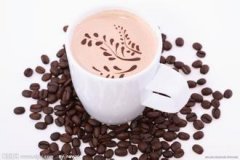
How Specialty Coffee Beans Are Roasted: The Full Process
Learn how green coffee beans transform through roast stages—light to dark—in 12–16 minutes at up to 232°C, losing 15–25% moisture and developing unique flavors.
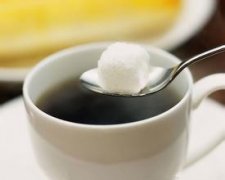
How to Make Black Coffee Without a Coffee Machine
You don’t need a coffee machine to brew great black coffee. Learn how to make it using just a pot, filter, or stove — no special tools required.

How to Grind Coffee for Every Brewing Method
Learn the right grind size for espresso, pour-over, French press and more. Timing, extraction, and flavor all depend on it.

How Specialty Coffee Beans Are Roasted: The Process Explained
Learn how green coffee becomes flavorful through roasting stages like first and second crack, reaching temperatures up to 240°C.

How Coffee Beans Are Processed: From Harvest to Drying
Coffee beans start as seeds inside cherries. Here’s how they’re picked, processed, and dried—step-by-step from tree to green coffee.
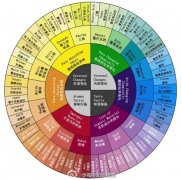
How to Read the SCAA Coffee Taster’s Flavor Wheel
Learn how the SCAA Coffee Taster’s Flavor Wheel breaks down coffee flavors, aromas, and defects into structured categories for better cupping and brewing decisions.

How to Make Coffee Milk Foam, Whipped Cream & Latte Art
Step-by-step guide to crafting microfoam, whipped cream, and latte art for espresso drinks, with temperatures, techniques, and tool tips.
How to Identify High-Quality Coffee Beans
Learn how to spot fresh, well-roasted beans by smell, sight, and sound with three simple steps every coffee buyer should know.