
Coffee Knowledge
Latest articles, industry insights and brewing guides
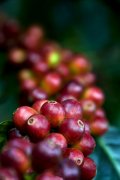
When Are Coffee Beans Harvested and Picked?
Learn when and how coffee cherries are harvested, why timing matters, and the two main processing methods that follow the harvest.

10 Must-Have Factors for Specialty Coffee Beans
Discover the 10 strict criteria that define specialty-grade coffee beans, from ripeness to processing and moisture control.

Mechanical Semi-Washed Coffee Processing Explained
Learn how mechanical semi-washed processing works in humid regions, using minimal water and no fermentation to produce clean, stable coffee beans.
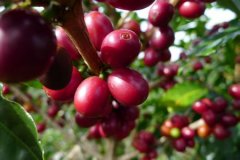
Brazilian Semi-Washed Process: How Pulp Is Naturally Removed
Learn how Brazil’s semi-washed (pulped natural) coffee method produces stable, high-quality beans by air-drying mucilage without fermentation.
How Coffee Beans Are Extracted: The Cherry Processing Methods
Learn how ripe red coffee cherries are sorted, processed, and turned into green beans via washed, natural, and honey methods—with key steps and ratios.

How Coffee Beans Are Processed Before Roasting
Learn the four key steps—pulping, fermentation, drying, and roasting—that turn coffee cherries into the green beans you brew. Every detail explained.

When Are Coffee Beans Ready to Be Picked?
Coffee beans are ready for harvest when the cherries turn bright red, usually 6–8 months after flowering. Harvest timing varies by region and variety.
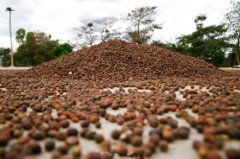
How Coffee Beans Are Picked, Processed, and Dried
Learn how ripe coffee cherries are harvested, processed via dry or wet methods, and dried to become green coffee beans ready for roasting.
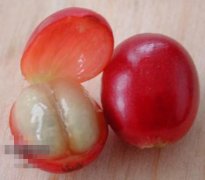
What Is a Coffee Cherry? Anatomy and Development Facts
Learn the anatomy of the coffee cherry, how long it takes to ripen, and how climate affects development—from seed to green bean.
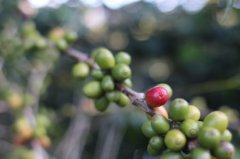
How Coffee Leaves and Flowers Grow: From Bud to Bloom
Learn how coffee leaves differ by variety and how coffee flowers develop, bloom, and set the stage for coffee cherries. Key growth stages explained.

How Coffee Trees Grow and Fruit in Different Climates
Learn how altitude, climate, and branch type affect coffee tree growth and fruiting—key insights from Yunnan highland cultivation.

How Coffee Branches Grow: A Visual Guide to Coffee Tree Structure
Learn how coffee branches develop in structured levels—from primary to seventh-order shoots—and why some grow upright while others trail inside the canopy.
The Anatomy of Coffee Tree Growth: Roots, Stems, and Structure Basics
Learn the essential coffee plant biology: root depth, stem traits, growth patterns, and management tips for healthy trees.

World Coffee Bean Varieties by Country
Explore the major coffee-growing countries and their most famous beans, from Ethiopia and Colombia to Jamaica and Kenya.

What’s Inside Coffee Beans? The Key Chemical Components
Explore the seven core chemical compounds in coffee beans — caffeine, tannins, fats, proteins, sugars, minerals, and fiber — and how they shape flavor, aroma, and effects.

What’s More Expensive Than the World’s Most Expensive Coffee?
Beyond Kopi Luwak, there’s an even rarer coffee: kobi Luwak, vomited by civets. Only 10kg produced yearly, it sells for ~$1,200/kg.

Bali’s Specialty Robusta Coffee: What Makes It Different
Bali’s rare high-elevation Robusta beans sell for $50/kg. We explain why this selective lot stands apart from typical Indonesian coffee.

What Is Specialty Coffee? The Basics Explained
Specialty coffee comes from specialty beans, must be fresh, and offers complex flavors. Here’s what makes it different from regular coffee.

Where to Store Coffee Beans and How to Keep Them Fresh
Learn the best places to store coffee beans and grounds, including whether freezing helps, how long coffee stays fresh, and how to avoid flavor loss.

What Do Coffee Bean Labels Really Mean?
Learn how to decode coffee bag labels: origin, roast level, and grading terms like SHB, AA+, and single origin vs blend.