
Coffee Knowledge
Latest articles, industry insights and brewing guides

How to Hold a Coffee Cup and Use a Saucer Properly
Learn the proper way to hold a coffee cup, add milk or sugar, use a spoon, and handle the saucer for an elegant coffee experience.

The Best Coffee-to-Water Ratio for Brewing
Discover the ideal coffee-to-water ratio—55g per liter—and how grind size, water temp, and equipment affect your brew.

How to Froth and Layer Instant Coffee Like a Pro
Learn how to create a layered, latte-art-like instant coffee drink with a dancing effect using simple tools and steps.
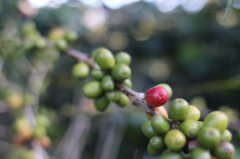
How to Taste Espresso: A Beginner’s Guide
Learn how to properly taste espresso with step-by-step advice on smell, sip style, and what makes a great shot stand out.

How to Tell a Good Espresso: Key Signs and Tips
Learn how to judge a great espresso by volume, crema, and aroma—plus common signs of under- or over-extraction.

How Many Cups of Coffee Per Day Are Beneficial?
Two cups daily may lower gallstones risk by 40% and prostate cancer by 60%. Learn the science-backed perks—and limits—of moderate coffee intake.

Why Water Temperature Matters Most for Great Coffee
The ideal water temperature for brewing coffee ranges from 92–93°C for espresso and varies by method—small changes affect flavor dramatically.

How to Roast Specialty Coffee Beans for Best Flavor
Learn the key factors in coffee roasting—including degree, time, and cooling—that shape flavor, aroma, and freshness in specialty beans.
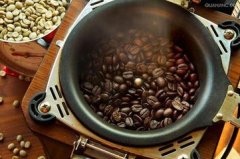
What Is Coffee Roasting and How It Transforms Green Beans
Coffee roasting unlocks aroma, sweetness, acidity, and bitterness by transforming raw beans through controlled heat. Learn how it works.

How Coffee Labels Like 'Italian' Relate to Roast Levels
Labels like 'Italian' or 'Vienna' on coffee bags refer to roast levels, not origin. Here’s what those common terms actually mean.
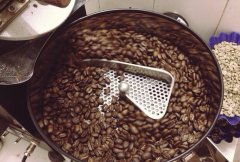
Why Do Some Coffee Beans Look Oily?
Oily coffee beans aren’t always fresh. Learn which roast levels and aging stages cause surface oils—and what they really mean.
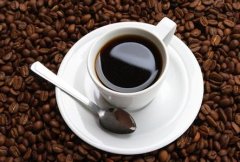
What Makes a High-Quality Specialty Coffee
Learn the four essential steps for achieving the best cup: great beans, fresh roast, proper grind, and immediate brewing.

How Medium Roast Brings Out the Best in Coffee Beans
Discover how medium roast balances acidity, sweetness, and bitterness for the most expressive cup. Learn why it’s often the sweet spot for specialty coffee.
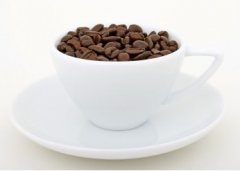
Coffee Roasting Stages Explained for Specialty Beans
Learn how coffee roast levels—light to dark—affect flavor, weight loss, and aroma development in specialty beans during the roast.
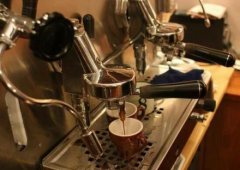
Two Compounds Behind Coffee Bitterness Revealed
Researchers found two compounds responsible for coffee bitterness—chlorogenic acid lactone and phenylindane—created during roasting, not in raw beans.
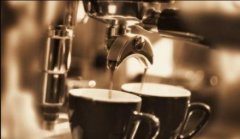
The Eight Stages of Specialty Coffee Roasting
Specialty coffee is roasted to eight defined levels, from light cinnamon roasts to deep Italian roasts. Here’s what each stage means for flavor.

How Coffee Is Roasted: The 3 Main Roast Methods
Learn how direct-fire, semi-hot-air, and hot-air roasting shape your coffee’s flavor. Discover the tools pros use and why roast method matters.
Common Coffee Roasting Methods Explained
Learn the 3 main types of coffee roasting methods—direct-fire, semi-hot-air, and hot-air—and how each affects flavor.

How to Store Coffee Beans: Key Storage Tips
Learn the best way to store fresh coffee beans, including ideal packaging, fridge myths, and how long to use them after opening.

How to Roast Coffee Beans at Home with a Frying Pan
Learn how to roast green coffee beans at home using a regular frying pan with step-by-step guidance from first crack to city roast.