
Coffee Knowledge
Latest articles, industry insights and brewing guides

How to Best Preserve Coffee’s Aroma During Storage
To keep your coffee fresh, store whole beans rather than pre-ground, avoid the fridge, and use it within 1–2 weeks once ground. Aluminum packs last 12–18 months.
How Are Specialty Coffee Beans Graded?
Coffee grading varies by country—learn how bean size, defects, altitude, and cup quality define specialty coffee quality.
Why Bourbon Santos Coffee Tastes So Mild
Brazil’s Bourbon Santos coffee offers mild acidity and smooth body, making it a favorite espresso base. Here’s why it tastes so balanced.
Harar Coffee: Ethiopia’s Wild, Low-Caffeine Single Origin
Harar coffee offers unique flavors from bold fruit to dark chocolate, with notably low caffeine. Learn why this Ethiopian classic remains a specialty favorite.
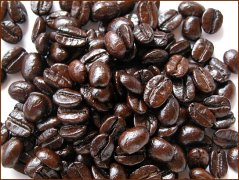
What Is French Roast Coffee? Specialty Bean Guide
French roast is the darkest common specialty roast level, known for bold bitterness, low acidity, and chocolatey, smoky flavors. Learn what defines it.
How Many Cups of Coffee Per Day Is Healthy?
From heart health to cancer risk, here’s what science says about daily coffee intake—by cup count, gender, and effect.
Adding Hot Whole Milk to Coffee Boosts Nutrition
Adding hot whole milk directly to coffee improves both flavor and nutrition compared to using coffee creamers or instant coffee.
How Black Coffee Supports Fat Loss: The Science
Learn how black coffee boosts fat breakdown, reduces water retention, and aids digestion — with data-backed facts on calories, caffeine effects, and timing.
Bone Loss in Women Who Skip Exercise and Drink Coffee
Over 10% of women aged 35–49 in Taiwan show early bone loss, with many being inactive, high coffee consumers, and eating mostly outside.
How Coffee Grounds Can Neutralize Toxic Odors in Waste
Coffee grounds absorb hydrogen sulfide, the main cause of foul smells in waste. Research shows they outperform charcoal when mixed with zinc and activated properly.
How Coffee Chemicals May Support Metabolism and Reduce Diabetes Risk
A German study of over 42,000 adults found no link between coffee and chronic disease, and regular coffee drinkers had a 23% lower risk of type 2 diabetes.
Why You Shouldn’t Drink Coffee After Alcohol
Drinking coffee after alcohol worsens its effects on the brain and heart. Wait at least 30–60 minutes after liquor or 1–3 hours after wine.
Should People With Vitiligo Drink Less Coffee?
Though no clear link exists, experts suggest vitiligo patients limit coffee due to potential immune and nervous system effects.
How Coffee Can Lower Stroke Risk According to Research
Drinking 2 to 4 cups of coffee daily may lower stroke risk by up to 17%, says Swedish research published in the American Journal of Epidemiology.
Moderate Coffee in Youth Lowers Dementia Risk Later
Drinking 3–5 cups of coffee daily in midlife may cut your dementia and Alzheimer’s risk by up to 70%, Finnish-Swedish research finds.
8 Unexpected Uses for Coffee Around the Home
From deodorizing your fridge to exfoliating skin, discover 8 practical household uses for coffee and coffee grounds backed by everyday experience.
10 Essential Coffee Drinking Tips for Specialty Coffee Lovers
Learn the right way to taste, serve, and enjoy specialty coffee — including ideal temperatures, cup handling, milk choices, and serving etiquette.
How Much Coffee Should You Drink Daily? Science Says This Much
Learn the safe daily caffeine limit, why mixing coffee with milk isn’t ideal, and the best times to drink coffee for energy without disrupting sleep.
Seven Rules for Brewing Great Specialty Coffee
Master the essentials of brewing excellent specialty coffee with these seven key steps, from bean freshness to cup temperature.
How Moderate Coffee Drinking Helps Prevent Many Diseases
Scientific studies show that drinking moderate amounts of coffee daily can help lower risks of depression, diabetes, Parkinson’s, and several cancers.