
Coffee Knowledge
Latest articles, industry insights and brewing guides

The Five Faces of Espresso
Discover how espresso evolved beyond a simple shot — from crema-rich norms to ristretto and lungo — and what defines its flavor today.
How Brewing Tools Help Coffee Grounds and Water Mix Well
Learn how three key coffee brewing methods—drip, immersion, and pressure—work to extract flavors by mixing grounds and water effectively.
How to Grind Specialty Coffee Beans with Precision
Learn why a burr grinder matters more than your coffee machine, how to adjust grind size, and what settings get the best extraction.
Home Coffee Roasting Tools That Bring Out the Best in Beans
Learn why home roasting keeps coffee beans fresher for 1–7 days, and how simple tools help you roast better coffee at home.
10 Proven Health Benefits of Drinking Specialty Coffee
Science-backed reasons why your daily coffee boosts focus, fitness, and heart health. Discover how caffeine and compounds support wellness.
Which Common Coffees Have the Lowest Fat Risk?
Find out the calorie and fat risk of 10 popular coffee drinks—from plain espresso to mocha—with clear ratings for taste, health, and weight gain potential.
When Is the Best Time to Drink Coffee?
The ideal time to enjoy coffee is after a meal, which aids digestion and minimizes stomach irritation. Limit intake to 2–3 cups daily.
How to Pair Specialty Coffee with Food by Flavor
Learn how to match your specialty coffee with meals and desserts based on flavor intensity, from light breakfasts to rich chocolate desserts.
How to Brew Coffee at Home: Key Tips for Better Coffee
Brew, don’t boil: learn the right water temp, grind size, and coffee-to-water ratio for better home-brewed coffee using filter or drip methods.
Why Are Coffee Beans Called Green Coffee?
Green coffee refers to unroasted coffee beans. They’re green in color, and only turn brown after roasting. Learn how French roasters work with them.
Dry vs Wet Cappuccino: What’s the Difference?
Dry cappuccinos have more foam and less milk for stronger coffee flavor; wet cappuccinos use more steamed milk, tasting closer to a latte.
Where Did the Name 'Cappuccino' Really Come From?
Learn how the iconic cappuccino coffee drink got its unusual name—from 16th-century monks to a monkey species.
Why Cappuccino Has Such Irresistible Charm
A traditional cappuccino blends equal parts espresso, steamed milk, and foam. Here’s how it delivers layered flavor and texture in every sip.
What Is Vienna Coffee and How to Make It
Vienna coffee, a sweet Austrian classic, layers hot espresso under whipped cream and chocolate syrup. Learn its origins, ingredients, and how to prepare it.
Café au Lait: France’s Favorite Coffee Drink
Learn how the French make Café au Lait with equal parts espresso and hot milk, topped with foam—plus how it differs from latte styles.
What Is a Latte? Italian Espresso Milk Coffee Explained
Learn what makes a traditional Italian latte, how it differs from cappuccino and flat white, and why espresso and milk balance matters.
How to Taste Espresso Like a Specialty Coffee Pro
Learn the proper way to taste espresso, from cleansing your palate to pairing with sweets for the best flavor experience.
Espresso Basics: Key Tips for Brewing Great Shots
Learn the essential parameters for pulling a balanced espresso shot: pressure, grind, dose, temperature, and time. Practical numbers for home baristas.
How Caffeine Works in Specialty Coffee
Learn how caffeine affects energy, focus, and sleep — and why coffee impacts people differently. Includes dosage ranges across drinks.
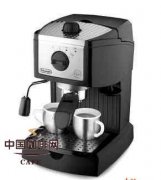
Best Coffee Maker for Brewing: Which Pot Is Right?
Discover the best coffee pots for brewing—from Turkish to moka to French press—and how each affects flavor, body, and extraction.