
Coffee Knowledge
Latest articles, industry insights and brewing guides

What Makes a Good Cup of Specialty Coffee
Good specialty coffee tastes clean, balanced, and fresh. Here’s what really defines quality coffee, no jargon needed.
What to Avoid When Drinking Specialty Coffee
A clear, transparent cup is a hallmark of quality coffee. Learn which brewing flaws cause cloudiness and the common mistakes to avoid while drinking.
How to Drink Coffee in a Café: The Right Way
Learn proper café coffee etiquette: how to hold cups, add sugar, use spoons, and taste coffee like a professional. Includes step-by-step guidance.
10 Classic Coffee Drinks Every Specialty Coffee Drinker Should Know
Explore the 10 most common types of coffee drinks, from classic espresso to Vietnamese drip, with details on preparation and flavor profiles.
How Coffee Trees Are Grown and Why It Matters
Learn where coffee grows, why flavor varies by region, and how elevation, soil, and climate shape your cup’s taste.
How Coffee Roasting Happens in Three Stages
Learn how light, medium, and dark roasts shape coffee flavor—three distinct stages that determine aroma, acidity, sweetness, and body.
Common Mistakes When Drinking Specialty Coffee
Avoid drinking coffee too slowly, using spoons for foam, leaving spoons in cups, or immediately adding sugar and milk to single-origin brews.
Common Coffee Drinks and Bean Types Explained
Learn the difference between coffee beverages like cappuccino and espresso, and coffee bean types including Arabica and Robusta, with examples from global regions.
How Coffee Helps Regulate Sugar and Fat Metabolism
Drinking 2–3 cups of coffee daily may lower blood sugar and reduce diabetes risk, thanks to chlorogenic acid’s metabolic benefits.
How Much Coffee Is Too Much? Melanin & Morning Risks
Drinking coffee in the morning can spike heart rate and hunger. Limit intake to 3 cups daily to avoid melanin buildup and fatigue.
How Caffeine Affects Female Hormones and Menstrual Health
Caffeine can influence estrogen and progesterone levels, potentially impacting fertility. Learn the thresholds, effects, and risks based on scientific findings.
The Best Time to Drink Coffee: Nap After Caffeine
A small cup of coffee 20 minutes before a midday nap can boost energy and reduce fatigue more effectively than either alone.
Drinking Coffee? Don't Forget Your Daily Calcium
Frequent coffee drinkers—especially women over 50—should get 100mg extra calcium daily or drink a glass of milk to offset losses.
How Instant Coffee’s Trans Fats Can Impact Fertility
Instant coffee and certain drinks contain trans fats from non-dairy creamers, which may lower sperm quality and hormone levels, affecting fertility in both sexes.
How to Maintain Your Home Espresso Machine Properly
Keep your home espresso machine in top condition with these 8 essential care steps, from descaling to cleaning filters.
Why You Shouldn't Use Metal Cups for Coffee or Juice
Metal cups can leach harmful substances when used with acidic drinks like coffee or juice. Safer alternatives include glass, ceramic, or stainless steel that’s food-grade.
8 Science-Backed Health Benefits of Drinking Specialty Coffee
From boosting metabolism to reducing gallstones, here’s what research and roasters say about coffee’s surprising health perks.
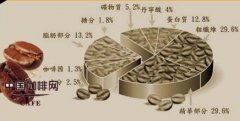
What’s Really Inside Your Coffee Beans? Coffee Chemistry Explained
Learn the key chemical components of specialty coffee beans—caffeine, tannins, fats, sugars, and more—that shape flavor, aroma, and body.
How to Buy Fresh Specialty Coffee Beans
Learn where to buy fresh-roasted specialty coffee beans and how to store them properly. Includes packaging types, roast freshness, and grinder tips.
How to Store Coffee Beans Without Losing Freshness
Keep your roasted coffee beans fresh longer with proper storage: seal tightly, avoid air and light, and store at room temp or freeze in small portions.