
Coffee Knowledge
Latest articles, industry insights and brewing guides

Why Does Black Coffee Taste Acidic?
Black coffee’s acidity depends on roast level and brewing temp—not freshness. Learn why some cups taste sour and how to adjust.
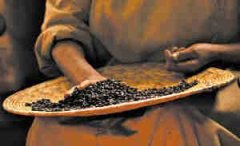
How Coffee Is Made: From Bean to Roast
Explore how coffee goes from red cherry to roasted bean, including Ethiopia’s traditional steps and the critical role of roasting.
How Specialty Coffee Roasters Process Green Beans
From cleaning to roasting, discover the essential steps specialty roasters follow to turn raw green coffee beans into flavorful roasted coffee.
What Makes Good Coffee After Roasting?
Learn how to identify good coffee after roasting, including what constitutes a quality bean, ideal freshness, and how defects affect flavor.
The 8 Stages of Coffee Bean Roasting Explained
Learn how coffee flavor develops through 8 key roast levels—from light to dark—with key traits for each stage.
How to Store Roasted Coffee Beans the Right Way
Learn how to preserve freshness in roasted coffee: buy small, store sealed, avoid the fridge, and use within two weeks after opening.
Pros and Cons of Pan-Frying Coffee Beans at Home
Pan-frying your own green coffee beans is cheap and educational, but uneven heat and effort may limit results. Here’s what to expect.
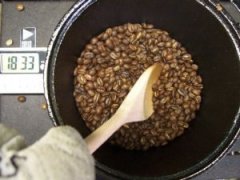
How to Roast Coffee Beans at Home Using a Frying Pan
You can roast fresh coffee beans at home with just a skillet, thermometer, and spoon. Here’s a 10-step guide using basic kitchen tools.
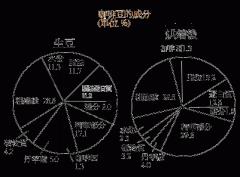
How Coffee Bean Roasting Affects Nutritional Content
Roasting changes coffee bean nutrients significantly. Key vitamins and antioxidants drop, while others appear. Here’s what actually happens.
How to Tell if Your Coffee Beans Are Fresh
Learn the three key steps—smell, look, and break—to judge coffee bean freshness and avoid stale brews.
How to Roast Coffee Beans in a Home Frying Pan
You can roast fresh, flavorful coffee beans at home using a regular stove and frying pan. Here's how to do it step by step.
How to Check Coffee Bean Freshness in 3 Steps
Learn how to assess coffee bean freshness by smell, appearance, and sound. Discover why fresh-roasted beans taste better and how to spot old stock.
How to Store Fresh Coffee Beans Properly
Learn the best ways to store fresh specialty coffee beans to preserve aroma and flavor. Includes tips on containers, CO₂, light, and temperature.
How Coffee Bean Packaging Affects Freshness and Flavor
Learn which coffee bean packaging types preserve freshness best—from basic non-sealed bags to high-cost pressurized systems.
How Coffee Beans Are Roasted for Specialty Coffee
Learn how specialty coffee beans are roasted and blended, including roast levels, methods, and best storage practices for peak flavor.
The Three Stages of Specialty Coffee Roasting
Learn how specialty coffee is roasted in three key stages—drying, first and second crack, and cooling—and why heat control defines the final cup.
The 8 Stages of Specialty Coffee Roasting
Learn how coffee roast levels—from Light to Italian—affect flavor, and why medium roast often balances acidity and bitterness best.
Why Roast Coffee Beans at Home
Learn why home coffee roasting offers unmatched freshness, cost savings, and a deeper appreciation for your brew.
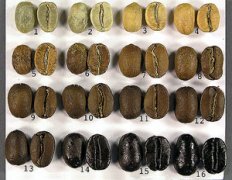
How to Judge Coffee Roast Levels by Sight, Sound, and Smell
Learn how to accurately assess coffee roast degree using visual cues, crack sounds, and aroma—key tools every specialty coffee roaster relies on.
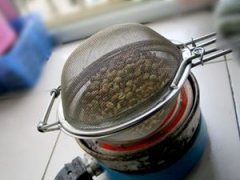
How I Roast Specialty Coffee Beans at Home in Three Stages
A self-taught home roaster in Kunming shares their three-phase journey refining roast profiles—from skillet to hand-cranked drum to hot-air machine.