
Coffee Knowledge
Latest articles, industry insights and brewing guides

How Coffee Roast Levels Shape Flavor Profile
Learn how roast levels from light to dark affect coffee flavor, acidity, and body — with key visual and sensory indicators.
How to Store Roasted Coffee Beans Properly
Keep your roasted coffee fresh longer by avoiding moisture, oxygen, and strong odors. Here’s the best way to store coffee beans.
Understanding Coffee Roast Levels from Light to Dark
Learn the key differences between coffee roast levels like Cinnamon, City, and French — and how each affects flavor and aroma.
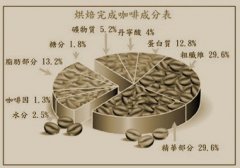
What’s Really in Roasted Coffee? A Full Breakdown by Compound
A detailed look at the key chemical compounds in roasted specialty coffee — caffeine, tannins, fats, sugars, minerals, and more — and how they shape flavor.
Major Coffee Bean Varieties and Their Flavor Profiles
Discover the key flavor traits and origins of top coffee bean varieties including Blue Mountain, Colombian, Brazilian, Mandheling, and more.

How to Identify Coffee Roast Levels by Color and Taste
Learn how SCAA uses Agtron color charts to classify roast levels, and how to spot light, medium, city, and dark roasts by sight and flavor.
How Specialty Coffee Roasters Roast and Blend Coffee Beans
Learn how specialty roasters use roast level and bean blending to craft consistent, high-quality coffee with defined flavor profiles.
How Coffee Roasting and Blending Create Specialty Flavor
Discover how roast level, blending methods, and post-roast handling define the flavor of specialty coffee, from light to dark roast.
How to Roast Coffee Beans at Home: A Step-by-Step Guide
Learn how to roast fresh coffee beans at home using an oven or pan, with exact temperatures, timing, and cooling tips for the best results.
Worldwide Roasting Styles in Specialty Coffee
Discover how different cities and countries prefer their coffee roasted—from light to dark—and why roast level matters for flavor.
How Roast Level Affects Coffee Flavor
Learn how light to dark roasts impact coffee’s acid, sweetness, and bitterness — and choose the right roast for your taste.
The 3 Stages of Specialty Coffee Roasting Explained
Learn how green coffee beans transform through drying, first crack, and cooling in professional roasting. Every temperature and phase matters.
Coffee Roasting: Key Concepts and Principles Explained
Learn how coffee roasting transforms green beans through heat, chemistry, and precise timing to unlock aroma, acidity, and flavor profiles.
The Coffee Roast Process: Key Stages & Best Practices
Learn how coffee roast stages—dehydration, first crack, and second crack—affect flavor, and the key decisions that shape your cup.
Specialty Coffee Roasting Basics: Dehydration, Ramp, Smoke, and Drying Phases
Learn the essential steps in specialty coffee roasting: when and how to manage dehydration, ramp speed, smoke, and the drying phase for consistent results.

How to Define Coffee Roast Levels by Agtron Numbers
Learn how to classify coffee roast levels scientifically using Agtron values—from light cinnamon roasts to dark French styles—with flavor impact explained.
How Coffee Roasting Unlocks the Beans' Aromatic Potential
Discover how proper roasting transforms raw coffee beans from earthy to aromatic, unlocking over 800 flavor compounds through heat and chemistry.
How to Store Coffee Beans and Preserve Freshness
Learn how to store coffee beans properly to retain aroma, flavor, and freshness with expert tips on light, air, and moisture control.
Why You Should Rest Coffee Beans After Roasting
Freshly roasted coffee needs time to degas. Most beans taste best after 1–5 days of rest, peak at 2–3 weeks, then decline.
How Different Countries Roast Coffee Beans
Explore global coffee roasting preferences—from Tokyo’s medium-dark to Vienna’s dark roast—and how origin impacts roast style.