
Coffee Knowledge
Latest articles, industry insights and brewing guides

15 Practical Everyday Uses for Coffee Beyond Drinking
From preventing colds to deodorizing your fridge, discover 15 practical, lesser-known ways to use coffee in daily life.
Is Coffee Safe? What Science Says About Caffeine
Science confirms: up to 400–500mg caffeine daily (3–4 cups coffee) is safe. Learn the real risks, benefits, and safe limits of coffee consumption.
How to Taste Coffee Like a Professional
Learn how to compare coffee aromas, acidity, body and flavor with step-by-step guidance for better sensory evaluation.
Why Your Siphon Coffee Tastes Weak and How to Fix It
Siphon coffee can lack flavor due to wrong grind, beans, or technique. Use 1:10 ratio, 90°C water, and fine to medium-fine grind for balanced extraction.
Most Common Coffee Brewing Methods Explained
Learn the 5 most widely used manual and machine coffee brewing methods, with grind sizes, temperatures, ratios, and best-use scenarios.

The Fourth Way to Make a Mocha Coffee
Learn how to make a richer, visually striking mocha by adding cocoa powder to your espresso, steamed milk, and chocolate sauce.
Coffee Roast Levels and Their Common Uses
Learn how coffee roast levels—from light to dark—affect flavor, body, and usage. See which roast suits your favorite brewing method.
Two Compounds Found to Cause Coffee Bitterness
Researchers have pinpointed two chemical compounds—chlorogenic acid lactone and phenylindane—as the primary sources of coffee bitterness, regardless of roast level.
The Eight Stages of Coffee Roast Levels Explained
Discover the full 8-stage coffee roast spectrum from Light to Italian, with roast profiles, flavor traits, and regional preferences.
What Makes Good Coffee vs Bad Coffee in Roasting
Good coffee starts with clean, defect-free beans, roasted well and brewed fresh. Learn how flaws ruin flavor and what defines quality.

How to Tell if Your Coffee Beans Are Fresh
Find out how to assess freshness, choose the right packaging, and store roasted coffee properly with clear steps and expert tips.
Global Coffee Origins and Recommended Roast Levels
Discover the unique flavor profiles and ideal roast depths for over 30 coffee origins worldwide, from Ethiopia to Vietnam.
Hand Pan Roasting Basics: Quick, Fresh, and Affordable
Hand pan roasting offers low-cost, fresh-roasted coffee with visible color changes and adjustable heat—despite some unevenness. Here’s how it works.
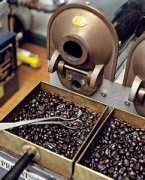
How Coffee Roasting Unlocks 700 Aromatic Compounds
Learn how roasting transforms raw coffee beans into aromatic drinks, with 700–850 flavor compounds unlocked through heat and time.
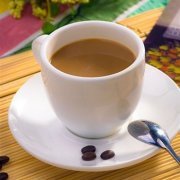
What Is White Coffee? The Malaysian Specialty Explained
Learn what white coffee really is—its Malaysian origins, low-acidity roast, and why it's lighter in color and taste than regular coffee.
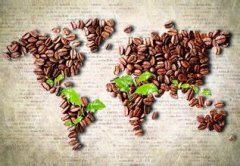
What Is the Coffee Belt? The Tropics Where Coffee Grows
Coffee thrives between the Tropics of Cancer and Capricorn, mainly at 300–2500m altitude. Discover the regions, climates, and top producers that define the coffee belt.
How to Taste Coffee: Aroma, Flavor & Mouthfeel Explained
Learn how to assess coffee through its 18 aromas, basic tastes (acid, sweet, bitter), and mouthfeel traits like body and astringency.

Common Types of Coffee Drinks Explained
Explore 10 common coffee drinks including espresso-based drinks like cappuccino and lattes, along with black coffee, Irish coffee, and Vietnamese iced coffee.
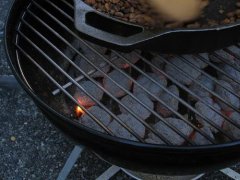
What Is Japanese-Style Charcoal Roast Coffee?
Charcoal roast coffee is a dark, bitter Japanese-style roast with minimal acidity. Learn why it’s known for deep roast flavor, no sourness, and intense bitterness.
What Is Brazilian Pulped Natural Coffee Processing?
Brazil’s pulped natural (semi-washed) method removes skins but leaves mucilage, boosting sweetness while avoiding over-fermentation. Most premium Brazilian beans use it.