
Coffee Knowledge
Latest articles, industry insights and brewing guides

The Coffee Roasting Process and Its Key Stages Explained
Learn the 3 stages of coffee roasting—drying, first crack, and cooling—and how roast levels affect flavor, from light to Italian.

What Is Coffee Roasting? Principles Every Roaster Follows
Coffee roasting transforms green beans through heat-driven chemical reactions. Discover the science behind color, flavor, and roast levels in this guide.
Why Specialty Coffee Roasters Blend Beans
Blending coffee isn’t just about cost. Specialty roasters blend beans to enhance flavor, maintain consistency, or create unique profiles. Here’s how it works.

Beginner-Friendly Pan-Fry Coffee Roasting with a Wire Mesh Tool
Learn how to roast coffee at home using a low-cost wire mesh method—ideal for beginners, with steps, timing, and gear explained.
How to Tell If Your Coffee Beans Are Fresh
Learn how to spot fresh coffee beans by smell, appearance, sound, and color — with tips on grind size and roast impact.
What Determines the Roast Quality of Specialty Coffee Beans
Three factors shape your cup: green bean quality, roast skill, and brewing. But roast quality alone depends on machine, skill, and post-roast care.
3 Key Tips for Beginner Coffee Roasters
Starting out in home coffee roasting? Focus on your goals, match your equipment, and pick the right green beans to build your skills.
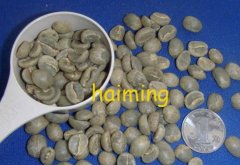
Guatemala Antigua La Flor Coffee Roast Profile
A detailed roast guide for Guatemala Antigua La Flor, highlighting its floral citrus profile, Bourbon genetics, and optimal roast timing at first crack.
How to Control Coffee Roast Level: Beginner to Pro Tips
Learn how to adjust roast level using time, sensory cues, and sensors—plus why results vary by bean and machine.
Island vs African Coffee: Roast Taste Comparison
Compare the roast profiles of Jamaican Blue Mountain and Yemen Mocha Mattari, plus Ethiopian Harrar and Yirgacheffe. Learn how island and African coffees differ in taste after medium roast.
How to Roast Tanzania Ruvuma AAA for Bright Fruit Notes
Roasting Tanzania Ruvuma AAA to second crack onset highlights its bright fruit and sweet profile with minimal defects in the green beans.
How to Roast Rwanda GATARE Washed Station Coffee
This article explains how to roast Rwanda GATARE Washed Station beans, including batch quality, roast end point, and key roast profile considerations.

Roasting Peaberry Coffee from Lake Kivu, Congo
A Congolese Lake Kivu peaberry roast had high defect rates and off-flavors. Here’s what went wrong and how to avoid similar issues.
Coffee Roast Levels Explained: From Light to Italian
A clear breakdown of specialty coffee roast levels—from light to dark—including flavor traits, roast stages, and typical uses.
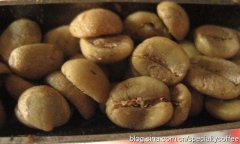
What Happens During Coffee Roasting After Harvest
Coffee must be roasted to become drinkable. Learn how raw beans transform through heat, time, and chemical reactions into flavorful roasted coffee.
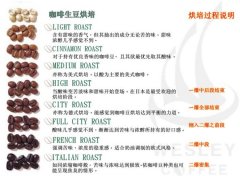
Deep vs Light Roast Coffee: What’s the Difference?
Deep roast brings sweetness and body; light roast highlights fruity acidity. Here’s what sets them apart in taste, history, and technique.

How Coffee Roasting Progresses Through the Stages
Learn how green coffee transforms during roast—see the key phases, timings, and milestones from drying to development.

How to Judge Coffee Bean Freshness by Oiling
Fresh light roasts should be dry; dark roasts should shine. Learn what coffee bean oiliness really means for freshness.
Do Dark Roast Beans Contain More Caffeine Than Light Roast?
Despite common belief, dark roast coffee often has more caffeine per cup—not less—due to roast weight loss and brewing ratios.
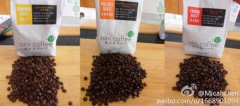
The Three Main Coffee Roast Levels: Cinnamon, City, and French
Learn how light, medium, and dark roasts — cinnamon, city, and French — change coffee’s flavor, acidity, and bitterness. Essential for choosing your roast.