
Coffee Knowledge
Latest articles, industry insights and brewing guides

Who Should Avoid Coffee and What Are the Risks?
Learn which health conditions, medications, and life stages make coffee unsafe, plus key intake rules and food interactions to avoid.

What Is Coffee and Where Does It Come From?
Learn where coffee originated, how it’s grown, what makes it taste good, and discover classic global coffee varieties.
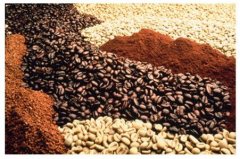
Coffee Flavor Terms Explained: Acidity, Body, and More
Learn what coffee pros mean by acidity, body, aroma, bitterness, and other key flavor terms used in specialty coffee tasting.
How to Drink Coffee: Etiquette, Technique & Taste
Learn the proper way to hold a coffee cup, add sugar, stir, cool, and taste coffee—plus how to behave when serving or being served.

How to Use Coffee Syphons, Moka Pots & More: Equipment Guide
A detailed breakdown of how to brew coffee with syphons, moka pots, French presses, and electric machines, including grind size, water temps, and common mistakes.

How to Classify and Choose the Best Coffee Beans
Learn the difference between Arabica and Robusta coffee types, how freshness affects flavor, and how to spot quality beans when buying.
What’s Really Inside Your Coffee? Key Chemical Components Explained
Discover the 9 key chemical components in coffee — from caffeine and tannins to fats and minerals — with exact ratios per 100g of beans.
Major Coffee-Producing Countries Around the World
Explore the top global coffee-growing regions, from Ethiopia and Colombia to Jamaica and Indonesia, with key producing areas and flavor profiles.

What’s Really Inside Your Coffee? Key Chemical Components Explained
Explore the 10 key chemical components in coffee—caffeine, tannins, fats, acids, proteins, sugars, fiber, minerals—and how they affect flavor and health.

What Makes Jamaica Blue Mountain Coffee So Special?
Learn why Jamaica Blue Mountain coffee commands premium prices, from its strict government controls to its unique high-elevation growing conditions.
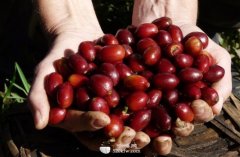
Coffee Bean Species: Arabica vs Robusta Explained
Learn the key differences between the two major coffee species: Arabica makes up 70% of global production with delicate acidity, while Robusta is stronger and more resilient.
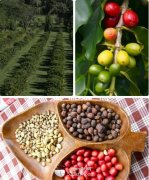
How Coffee Is Scientifically Classified
Discover the full taxonomic breakdown of coffee species and varieties, from Typica to Pacamara, with key traits and historical origins.
5 Common Sugars to Try with Your Coffee
Discover how five common sugars—white granulated, cube, rock, brown, and rock sugar—affect your black coffee’s flavor and sweetness.

Top African Coffee-Producing Countries You Should Know
Explore the best African coffee origins including Kenya, Ethiopia, Tanzania, and more, with flavor profiles and key growing regions.
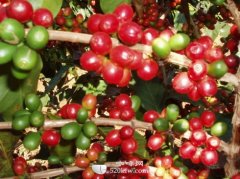
What Are Coffee Trees, Flowers, and Cherries?
Learn how coffee cherries grow on trees, why flowers bloom briefly, and what makes single coffee beans unique inside each fruit.

What Makes Guatemala Antigua Coffee So Unique?
Discover the bold, smoky, and spicy profile of Antigua coffee from Guatemala, grown in volcanic soil with a rich cultural backstory.
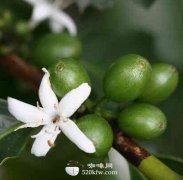
Why High Elevation Produces Better Coffee Beans
High-altitude coffee grows slower, develops more complex flavors, and yields denser beans. Here’s how elevation impacts coffee quality.

What Makes Colombian Coffee So Special?
Colombian coffee offers balanced acidity, medium bitterness, and a smooth finish—traits that make it ideal for single origins and premium blends alike.

Why Most Instant Coffee Is Made from Robusta Beans
Instant coffee is typically made from low-cost Robusta beans grown in Vietnam, China, and Africa. These beans are often unsorted and rely on additives for flavor.

What Is Ipoh White Coffee? The Malaysian Classic Explained
Ipoh white coffee isn’t named for its color — it’s about purity in roasting. Learn how this Malaysian specialty differs from regular coffee.