
Coffee Bean
Latest articles, industry insights and brewing guides

Harar: Ethiopia’s Premier Natural Coffee Region
Harar produces Ethiopia’s most iconic natural-process coffee, known for its fermented blueberry-like aromas and unpredictable floral complexity.

What Is Colombia Excelso Coffee?
Colombia Excelso is a high-grade Arabica grown between 4,200–6,000 feet in the Andes, roasted medium-dark for a creamy, caramel-sweet profile.

Harar Natural Process: Ethiopia’s Wine-Like Coffee
Discover why Ethiopia’s Harar natural coffee stands out with its bold winey fermentation, sharp acidity, and complex profile — a rare gem among sun-dried beans.

What Is an Elephant Bean in Coffee?
Elephant beans, or Maragogipe, are up to three times larger than regular coffee beans. Learn where they come from, how they taste, and why they matter.
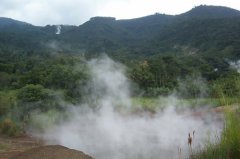
El Salvador’s Onsen Coffee: Washed with Volcanic Spring Water
Santa Teresa Estate in El Salvador processes coffee with 32–34°C volcanic spring water, creating a rare, sweet, and smooth washed profile.

What Makes Hawaiian Coffee Unique? The Truth About Kona & Maui Varieties
Only coffee grown in Hawaii’s Big Island Kona region qualifies as 100% Kona. Learn why Maui-grown Yellow Caturra is distinct and how Hawaiian terroir shapes flavor.

Rare Celebes Tongkonan Specialty Coffee Beans Explained
Learn why the Celebes Tongkonan coffee from Indonesia’s Toraja region is among the rarest, with less than 1,000 1.5kg bags produced yearly.

How to Store Coffee Beans for Maximum Freshness
Learn the best storage methods to keep your coffee beans fresh longer, including ideal containers, freezing tips, and shelf life.
Santo Domingo Coffee from the Dominican Republic
Santo Domingo and Bani coffees from the Dominican Republic are known for a clean, bright, and well-balanced cup with subtle fruity notes.

Papua New Guinea Coffee with Balanced Acidity and Sweetness
Papua New Guinea produces high-quality washed Arabica beans with medium acidity, full body, and fruity sweetness, making it a standout in specialty coffee.
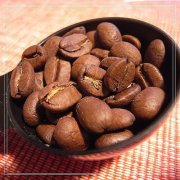
Peruvian Organic Coffee: The Underrated Rural-Style Bean
Discover why Peruvian organic coffee is gaining global attention for its balanced, smooth profile and classic Central American brightness with South American depth.
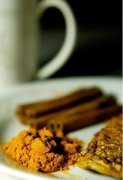
India’s Plantation A Coffee: What Makes It Unique
Indian Plantation A coffee is famed for its bold, creamy profile and unique monsooning process. Discover its origins, processing, and flavor traits.

Tanna Coffee: The Volcanic Single Origin From Vanuatu
Grown at the base of an active volcano in Vanuatu, Tanna coffee boasts rich volcanic soil, bright acidity, and sweet depth—here’s why it’s world-class.
What Is Coffee Blending and Why It Matters
Blending coffee balances flavor, ensures consistency, and lowers costs. Learn how roasters craft blends for espresso and beyond.
How to Spot Real Kopi Luwak in Raw Coffee Beans
Identify authentic kopi luwak beans by examining their silvery skin color and checking for intact inner shells—most reliable before roasting.
Bali Single-Origin Robusta: High-Elevation Specialty Beans
A rare Bali-grown Robusta offers intense complexity at $50/kg—here’s why elite roasters seek these ultra-selected beans despite their wild edge.
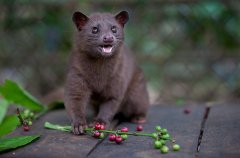
Indonesia’s Kopi Luwak: The World’s Most Expensive Coffee
Kopi Luwak, or civet coffee, sells for over $227 per pound. Learn how it’s made from digested coffee cherries and why it commands such a high price.
What Defines Specialty Coffee Beans and Coffee
Learn the 6 strict criteria for specialty coffee beans and what makes a cup truly 'specialty'—from origin to freshness.
Do Coffee Beans Really Come in Male and Female?
Learn what 'male' and 'female' coffee beans really mean—spoiler: it's not biology. The rare peaberry is often called 'male,' but it's just a fluke of nature.
Why Brazil Produces the World’s Most Coffee
Brazil grows more coffee than any country, thanks to a 1727 gift of Bourbon seeds. Its beans are smooth, sweet, and ideal for espresso blends.