
Coffee Bean
Latest articles, industry insights and brewing guides

The 3 Main Types of Coffee Beans Explained
Learn the differences between Arabica, Robusta, and Liberica — the three most common coffee species, their flavors, growing conditions, and uses.
82 Coffee Varieties in Specialty Coffee Breeding Gardens
Explore 82 coffee varieties (including species and cultivars) collected in a 3-acre coffee variety garden, including Arabica, Robusta, and rare wild types.
What Are Elephant Bean Coffee Beans?
Learn about Elephant beans (Maragogype), the rare giant coffee variety 3x larger than standard beans, grown mainly in Central America.
Best Roast Level for Jamaican Coffee Beans
Learn the ideal roast level for Jamaican coffee, especially Blue Mountain, and why light to medium roast brings out the best flavor.
Brazil Santos Brazilian Bourbon Santos
After Mr. Palhta returned to Brazil, coffee culture began in the state of Para, which is at the mouth of the Amazon. Coffee has a wide planting area and is the largest coffee exporter in the world. Brazil is located in Naaman, about 15 degrees south latitude. The coffee culture in Brazil began in 1727 and sprang up in the north of Brazil. It was made by a FrancescodeMeloPalheta teacher.
Major Coffee Bean Origins and Their Flavor Profiles
Explore the key coffee-producing countries and their distinct bean characteristics to help guide your next purchase decision.
How Jamaica Grades Its Blue Mountain Coffee Beans
Jamaica legally defines Blue Mountain Coffee and grades it into three sizes: No.1 (17–18 mesh), No.2 (16 mesh), and No.3 (15 mesh). All share the same cup profile.
Bali's Premium Robusta Coffee Beans
Discover why high-elevation Bali-grown Robusta sells for $50/kg, with wild flavor and elite selection standards.
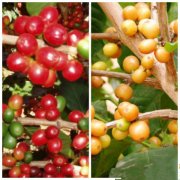
What Is Pacamara Coffee? Origins and Flavor Profile
Pacamara is a hybrid coffee variety from El Salvador, known for large beans and complex flavors. Here’s why it took decades to catch on.
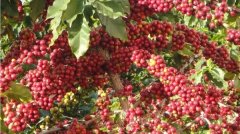
How Coffee Trees Grow: From Flower to Coffee Bean
Learn how coffee trees grow, flower, and produce fruit—and how those fruits become the green beans you roast. A full breakdown of the coffee cherry lifecycle.
How Long Does It Take to Grow Coffee Beans?
Coffee trees take 3–5 years to fruit, peak between 6–10 years, and hit full yield around 15–20 years. Learn how growing conditions shape flavor.
What Are Coffee Peaberry Beans and Do They Taste Better?
Peaberry coffee beans occur in just 5–8% of coffee cherries. They’re often said to taste richer, but science hasn’t confirmed a major advantage over flat beans.
Why Brazil Produces the World’s Smoothest Coffee
Brazil is the top global coffee producer, known for mild, balanced beans. Learn why its Arabica coffee is so smooth and widely used in blends.
Worldwide Coffee Cultures: From Arabia to America
Explore how coffee is brewed, served, and savored in Arabic, European, and American traditions—with rituals, etiquette, and regional preferences.
Timeline of Coffee’s Global Journey
From Ethiopia’s accidental discovery to London’s first coffeehouse, trace coffee’s key milestones across centuries and continents.
How Specialty Coffee Began: From Fruit to Roast
Learn how coffee evolved from chewed fruit to the roasted brew we know today, tracing its roots from 1,000 AD Arabia to 17th-century Europe.
How to Choose Coffee Beans: Freshness & Purity Explained
Learn how to assess coffee bean freshness and purity with sensory checks, visual cues, and handling tips every home barista should know.
What Makes Jamaican Blue Mountain Coffee So Special?
Learn why Jamaican Blue Mountain is rare, expensive, and prized for its balance—with facts on origin, yield, flavor, and how to brew it right.
How Jamaica Blue Mountain Coffee Is Graded by Size and Defects
Jamaica Blue Mountain coffee is graded by bean size and defect rate—even if grown in the legal zone. Here’s how No.1 to PB grades work.
What Is Coffee Blending and Why It Matters
Blending coffee balances flavor, ensures consistency, and manages cost. Learn why roasters mix beans and how it impacts your espresso.