
Coffee Bean
Latest articles, industry insights and brewing guides

Ruby treatment method jam and dried fruit flavor barista contest Sammy Pi
Ruby: the so-called ruby treatment is also a more difficult and extreme way of dealing with red. So that the red treatment of sweetness and fruit to the extreme, accidentally over will become a bad fermentation taste of the extremely bad areas. This method also requires a lot of manual screening.
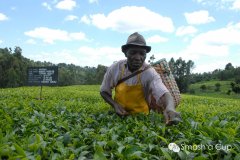
About the treatment method: W2, H2, N2, traditional raw bean treatment, Ninety Plus.
Ninety Plus thought that coffee itself is a kind of fruit, so he made his own exclusive treatment according to taste (W2), (H2), and (N2). When you understand traditional coffee processing, you will find that a small amount of adjustment can blur the distinction between them. For example, a little water washing can be added at different stages of the densification process to achieve a lighter and brighter washing taste; after controlling the fruit

Ninety + Company Solkiln method to deal with the Gesha of Panamanian Manor (Heir)
Joseph Brodsky, the founder of Ninety +, discovered early that all the world's high-quality raw coffee beans originated in Ethiopia, and its different flavors of many different varieties are no less than 10, 000 grapes into 1 million different wines. Ninety percent of the raw beans come from the original varieties of Ethiopia, including Gesha of Manor Panama, which is also an Ethiopian heirloom (Heir).
The bitter death wish coffee introduces the flavor of the manor producing area, taste, etc.
The world's strongest coffee 200% More Powerful than typicalcoffee shop roasts. 200% stronger than coffee baked in traditional coffee shops, Organic, Fair Trade and Kosher Organic, Fair Trade, Jewish certified Finally! A dark and powerfulcoffee that has great flavor. Finally! A style with a great wind

With chic and sweet washed Sidamo coffee beans, the treatment of fine coffee is introduced.
The coffee in Sidamo has a variety of flavors. Different soil types, microclimates and countless native coffee species, towering mountains, highlands, plateaus, valleys and plains, diverse topography, and the geology of the area belongs to nutrient-rich, well-drained volcanic soil. the depth of the soil is nearly two meters, and the surface soil is dark brown or brown. The biggest advantage of the place is

Sun Sidamo Coffee producing area Manor introduces the processing methods and methods of fine coffee
The overall experience of this sun Sidamo is more suitable for those who like Ethiopian coffee but do not like the acidity, and it is also suitable for independent cafes. Ethiopia Sidamo Sidamo Coffee introduces Ethiopia as the birthplace of Arabica coffee. Wild Arabica grows in the forests of Ethiopia's Kaffa region. The history of Ethiopian coffee drinking is better than that of Ethiopians

Death wish Arabica Coffee introduction death wish Coffee production area Manor
Coffee profile 1. Death wish coffee is made from Arabica coffee beans, which do not contain too much caffeine in Arabica coffee beans (2 caffeine), but through the special roasting method used, the caffeine in the beans is preserved to the maximum extent. 2. The packaging of death wish also has the smell of death. The black bag is printed with a skull.

What is 90 + Coffee beans A brief introduction to America's Top Coffee Ninety Plus Coffee Ethiopia
Ninety + does not refer to all coffee with a score of more than 90. Good coffee, one year, one year. Sometimes haunt different manors, but also have different taste characteristics. Ninety + refers to a top range of coffee with 13 flavors. These coffees are only from Ninety Plus Coffee, the creator of American boutique coffee. They are all old varieties of Ethiopian heirloom (Heirloom).

Strong and strong death wish Coffee introduces the treatment of boutique coffee beans coffee
1. Death wish coffee is made from Arabica coffee beans, which itself does not contain too much caffeine, but through the special roasting method used, the caffeine in the coffee beans is preserved to the maximum extent. 2. The packaging of death wish also has the smell of death. The black bag has a skull printed on it. No.

Strong and strong death wish Coffee introduces the treatment of boutique coffee beans coffee
1. Death wish coffee is made from Arabica coffee beans, which itself does not contain too much caffeine, but through the special roasting method used, the caffeine in the coffee beans is preserved to the maximum extent. 2. The packaging of death wish also has the smell of death. The black bag has a skull printed on it. No.

Introduction to the flavor and taste characteristics of washed Sidamo coffee
The taste is also slightly.
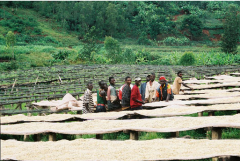
Sidamo washed coffee cooked beans Ethiopia G2 manor beans African boutique coffee
The Sidamo producing area, which is 1400-2200 meters above sea level, is a famous boutique coffee area in southern Ethiopia, bordering Kenya. The washed Sidamo is light green, the beans are small, the growth is oval, the fruit is full, the average quality is good, the smell is fragrant and mellow, a drop of entrance, endless aftertaste, with wild beauty. The coffee flavor of Sidamo is very diverse and different.
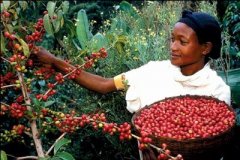
Ethiopian Coffee Sidamo Sidamo Guji Shakiso Shakisso Manor Day
The coffee flavor of Sidamo is very diverse, because of the different soil composition, regional microclimate and countless native coffee varieties, the coffee produced in each urban area has obvious differences and characteristics. Sidamo producing area (Sidama) is located in the south of Ethiopia. The industry here is mainly agricultural, and the coffee growing area is located around the Great Rift Valley (Great Rift Valley) of East Africa.
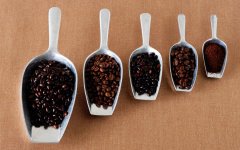
Italian blend beans are roasted first and then mixed with "Viennese Coffee" drip filter coffee.
Bake first and then mix, or match first and then bake? A lot of people ask me, is it baking and then matching, or is it first matching and then baking? Which way is better? If you have a definite recipe, of course the easiest way is to put different coffee beans together and then bake them together. But if you are trying and comparing different matching ingredients, and the corresponding proportion, you

The blending method of Italian Coffee introduces the blending proportion and Formula of High-quality Coffee
On the other hand, this kind of baking is also related to the birthplace of Espresso. Espresso is a coffee extraction method that originated in Italy. At the end of the 19th century and the beginning of the 20th century, that is, when the Espresso extraction method was born, Italy was not a rich country in Europe. Due to its own economic strength, the quality of the popular coffee in Italy was not good, and most of the coffee it drank was of poor quality.
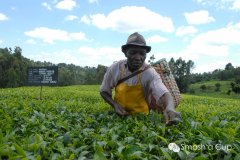
90+levelupDerar Ela de Riera Flower language Ethiopian Flower and Fruit fragrance lasting after Rhyme
Joseph Brodsky, the founder of Ninety +, discovered early that all the world's high-quality raw coffee beans originated in Ethiopia, and its different flavors of many different varieties are no less than 10, 000 grapes into 1 million different wines. Ninety percent of the raw beans come from the original varieties of Ethiopia, including Gesha of Manor Panama, which is also an Ethiopian heirloom (Heir).
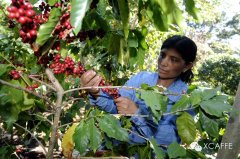
Red Honey Kiss 90 + rare good coffee treated with Ethiopian native red wine
Joseph Brodsky, the founder of Ninety +, discovered early that all the world's high-quality raw coffee beans originated in Ethiopia, and its different flavors of many different varieties are no less than 10, 000 grapes into 1 million different wines. Ninety percent of the raw beans come from the original varieties of Ethiopia, including Gesha of Manor Panama, which is also an Ethiopian heirloom (Heir).
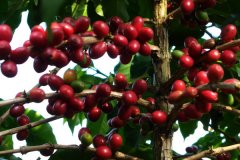
Honey Kiss 90 + classic good coffee from Ethiopia Sidama (Hidamo)
Joseph Brodsky, the founder of Ninety +, discovered early that all the world's high-quality raw coffee beans originated in Ethiopia, and its different flavors of many different varieties are no less than 10, 000 grapes into 1 million different wines. Ninety percent of the raw beans come from the original varieties of Ethiopia, including Gesha of Manor Panama, which is also an Ethiopian heirloom (Heir).
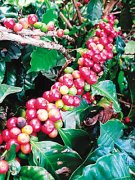
90 + Dark Fruit Taste in Ethiopia Yirgacheffe (Yega Snow) producing area
Joseph Brodsky, the founder of Ninety +, discovered early that all the world's high-quality raw coffee beans originated in Ethiopia, and its different flavors of many different varieties are no less than 10, 000 grapes into 1 million different wines. Ninety percent of the raw beans come from the original varieties of Ethiopia, including Gesha of Manor Panama, which is also an Ethiopian heirloom (Heir).

Ninety + Ethiopian native species of ginseng from Wellega (Woliga) producing area of Ethiopia
Joseph Brodsky, the founder of Ninety +, discovered early that all the world's high-quality raw coffee beans originated in Ethiopia, and its different flavors of many different varieties are no less than 10, 000 grapes into 1 million different wines. Ninety percent of the raw beans come from the original varieties of Ethiopia, including Gesha of Manor Panama, which is also an Ethiopian heirloom (Heir).