
Coffee Bean
Latest articles, industry insights and brewing guides

Espresso Italian espresso espresso machine TCHIBOCafissimo capsule coffee machine
For example, have a cup of Espresso, espresso. The first thing you need to prepare for making an espresso is an Italian espresso machine. The standard of espresso is that the coffee powder is about 8-10 grams, the water temperature is about 95 degrees, the water pressure is about 10 atmosphere, and the brewing time is between 22 and 28 seconds. If the water temperature is too low, it will cause insufficient extraction.
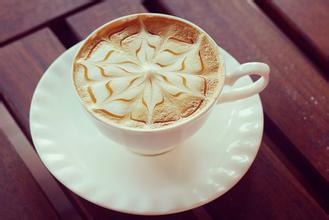
Sidamo Coffee Manor with smooth taste and green tea rhyme introduces boutique coffee beans.
As soon as the king of Ethiopia was happy, he gave her a great reward, including rich land. As you may have guessed, Hambela Manor came in this way. After the unremitting efforts of nearly three generations, METAD, a company owned by Hambela Manor, has established links with local cooperatives and farmers' cooperative alliances in almost all coffee producing areas in Ethiopia. Not only that, but it also invested in

Burundian Jackson bourbon variety coffee beans introduction to boutique coffee beans
The cultivation of Arabica coffee trees in Cameroon (Cameroon) began in 1913 as the Blue Mountain Coffee from Jamaica, but the country also produces large quantities of Robbins coffee. The quality and characteristics of Cameroon coffee is similar to that of coffee from South America. The best coffee in the country comes from Bamileke and Bamoun in the northwest. Here, it also grows some giant coffees.

Hawaiian Kona Coffee introduces boutique coffee beans in the Manoa Valley area of Oahu.
Kona coffee is indeed a treasure in the world and is not easy to find. The real Hawaiian Kona coffee has the sweetness of caramel, which makes people enjoy the unique pleasure and leads you slowly into the detached state of tasting coffee. Of all the coffee producers, Hawaii has the most stringent management of the coffee industry, the highest labor costs and the best level of investment. Coffee from Hawaii

Smooth and sweet Venezuelan coffee introduces boutique coffee beans
One of the many plantations in Merida at the foot of the Andes belongs to the Pablo and Pulido families, an ancient farm that has been allowed to downsize. Since taking over the farm in the early 1980s, the Pulido family has harvested coffee from existing bourbon coffee trees and planted new tree species.

Dominican Santo Domingo Coffee introduces boutique coffee beans
In the early 18th century, coffee was introduced to Domiga from Martinique, and fine coffee was produced in the north represented by Hibao and in the south, including Okayabani Santo Domingo. Among them, the coffee produced by Santo Domingo and Barney, which is almost synonymous with domiga coffee, is a world-famous high-quality coffee. Santo Domingo coffee, which is characterized by freshness and elegance,

Coffee mixing ratio Introduction to Italian coffee mixing and practice
Java, Mantinen, Bogotá, Congo, Uganda Gan Colombia (Metinen), Venezuela (aged coffee), Blue Mountain, Gili Mazaro, Mocha, Guatemala, Mexico, Kenya, Brazil Santos, Haiti Alcohol Colombia (Metinen), Mocha, Blue Mountain, Guatemala, Costa Rica Neutral Brazil, Honduras, Low Real Estate Costa Rica

Burundi coffee tree coffee bean variety introduction boutique coffee Jackson bourbon variety introduction
Arabica coffee trees were first cultivated in Cameroon in 1913 as Blue Mountain coffee from Jamaica, but the country also produces robert coffee in large quantities. The quality and characteristics of Cameroonian coffee are comparable to those of South American coffee. The best coffee in the country comes from Bamileke and Bamoun in the north-west. Here, it also grows some giant coffee

Southern Uganda Coffee beans Robbs Special Coffee introduction to the Elgon Mountains and Bugisu (
Uganda's coffee production ranks first in Africa, accounting for more than 70% of its total exports. Uganda is also the hometown and main producing area of Robes specialty coffee. In the 1960s, Ugandan coffee production remained at 3.5 million bags a year. By the mid-1980s, coffee production had dropped to 2.5 million bags a year, mainly for political reasons. But now coffee production is on the rise again, which is large at present.

Cuban coffee bean flavor manor introduces crystal coffee boutique coffee beans
Crystal Mountain Coffee is very precious. This is mainly for two reasons. The first reason is the economic sanctions imposed by the United States against Cuba and the non-opening up of Cuban imports. The second reason is that at present, Cuban coffee beans are mostly acquired by the French and Japanese markets, especially Japan, so it is difficult to buy coffee beans directly from Cuba. Nevertheless, Cuban coffee is popular among coffee lovers around the world.

Hawaiian Kona Coffee Bean introduction to the Manoa Valley area of Oahu
Although Hawaii is often affected by tornadoes, the climatic conditions are very suitable for the coffee industry. There is plenty of rain and sunshine, and there is no worry of frost. In addition, there is a strange natural phenomenon called free shade. On most days, around 2 o'clock in the afternoon, white clouds appear in the sky, providing the necessary shade for the coffee tree

Introduction of coffee beans in San Cristobal area
One of the many plantations in Merida at the foot of the Andes belongs to the Pablo and Pulido families, an ancient farm that has been allowed to downsize. Since taking over the farm in the early 1980s, the Pulido family has harvested coffee from existing bourbon coffee trees and planted new tree species.
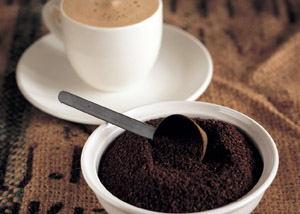
Pure and soft Dominica coffee Santo Domingo coffee
The Dominican Republic also had a history of revolution and poverty, but now it has implemented democratic elections and the country is relatively stable. In the early 18th century, coffee was introduced to Domiga from Martinique, and fine coffee was produced in the north represented by Hibao and in the south, including Okayabani Santo Domingo. Among them, coffee from Santo Domingo and Barney
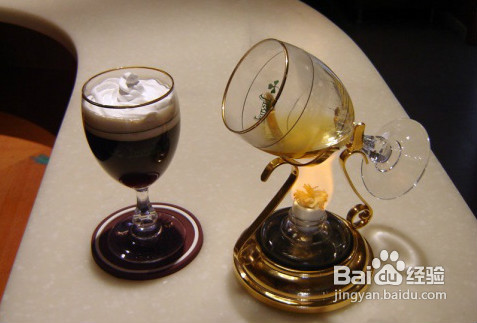
Mexico Aldumara Coffee Flavor and Taste introduce Fine Coffee
The selection of Mexican coffee is generally carried out manually. The main basis for selection is according to the fullness of coffee particles, whether it is uniform, and then grade it. Generally speaking, coffee with full and uniform grains is easier to preserve. Only the fullest and most evenly grained coffee beans can be roasted to represent the best and best coffee in the country. After picking the coffee beans, the workers put the coffee

Ecuador ES Coffee Santa Cruz Manor on Santa Cruz Island Galapagos Islands
When Thomas and the crew landed on the island, they were frantically looking for water and were so thirsty that they squeezed juice from the fat leaves of the cactus to drink. At last a source of water was found in a rocky gully. Thomas attributed it to the gift of God, because it was good Friday, and they had piously celebrated mass before they set out in search of water. But Thomas will never

Hawaiian Kona Coffee introduces the treatment of fine coffee.
Kona coffee is indeed a treasure in the world and is not easy to find. The real Hawaiian Kona coffee has the sweetness of caramel, which makes people enjoy the unique pleasure and leads you slowly into the detached state of tasting coffee. Of all the coffee producers, Hawaii has the most stringent management of the coffee industry, the highest labor costs and the best level of investment. Coffee from Hawaii

Delicious, light Venezuelan coffee taste and flavor introduction boutique coffee
Venezuelan coffee tastes different from other coffee in Latin America. It is delicious, light and less sour than traditional coffee, which makes it not only blended but also distinctive. Flavor: rich and delicious fruit flavor suggested roasting methods: medium to deep roasting, multi-purpose ★★: good Venezuelan coffee market: at present, most Venezuelan coffee is exported

Dominica Santo Domingo Coffee region Flavor introduction Fine Coffee
The Dominican Republic has also experienced a history of unrest and poverty, and now the country has implemented democratic elections and entered a period of stable development, but it has not yet formally established diplomatic relations with China, but has maintained so-called diplomatic relations with Taiwan. It seems that this has nothing to do with coffee, but in fact, it still has an impact. The exchanges between the two countries that have not established diplomatic relations are subject to many restrictions in all aspects, and of course they will.

Guatemalan coffee with delicate floral and fruity aromas
As the name Hua Shen, beans have a beautiful appearance, after brewing, there are fine flowers and fruit sweet, taste can feel cocoa bitter and caramel sweet, light smoky taste, red wine aftertaste obvious, the overall taste is clean and bright. At present, some of the best quality coffee from Guatemala is exported to Japan, where each cup of coffee sells for $3 to $4. Moreover, Guatemala has specially set up a special
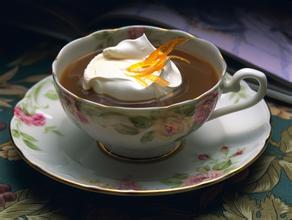
An introduction to the coffee producing areas of Kenya that are suitable for growing Arabica beans.
The first coffee grown in Kenya dates back to 1893. Coffee was later grown on a large scale by the British on the plateau at an altitude of 1400 to 2100 meters, where there is volcanic ash soil rich in organic matter. In fact, most coffee is now grown on the flatter slopes around the snow-capped Mount Kenya (the main peak is 5199 meters high), and all of Kenya is located in the tropical monsoon.