
Coffee Bean
Latest articles, industry insights and brewing guides

How Coffee Beans Are Picked and When They’re Harvested
Coffee beans are picked 3–4 years after planting. Harvest timing depends on variety: Arabica ripens in 6–8 months, Robusta in 9–11. Key regions harvest between April and November.

Common Defective Coffee Bean Types and What They Mean
Find out the most common defective coffee beans—fermented, black, insect-damaged, and more—and how they affect your cup’s flavor.
The Plant Classification of Coffee Beans
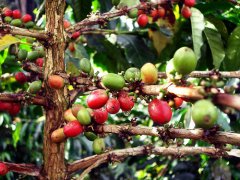
Learn how coffee plants are classified botanically, from species to cultivated varieties, and why they grow where they do.

How Coffee Beans Are Processed Before Roasting
Learn how green coffee beans are processed after harvest—via washed or natural methods—and how each affects flavor and quality.
How Coffee Beans Are Processed Before Roasting
Learn how green coffee beans are processed after harvest—via washed or natural methods—and how each affects flavor and quality.

What’s Inside a Coffee Bean? Key Chemical Components
Explore the key chemical makeup of coffee beans: fiber, sugars, proteins, caffeine, and more — and how they change during roasting.

What Makes Cuban Cubita Coffee a Premium Single Origin?
Learn why Cuban Cubita coffee is prized for its clean, island-grown single origin profile and why it’s considered high-end in China.

Top Specialty Gourmet Coffee Beans Ranked
Discover the highest-rated gourmet coffee beans, including deep-roast Cuban and Jamaican beans with bold sweetness, low acidity, and rich complexity.

Do Oily Coffee Beans Mean They’re Stale?
Oily coffee beans aren’t always stale—dark roasts often look oily when fresh. Learn when oiliness signals freshness or age.

How Elevation and Roast Shape Specialty Coffee Flavor
Learn how altitude and roast level impact specialty coffee flavor, with key roast types and bean examples for clarity.

How Are Coffee Beans Hulled Before Export?
Coffee beans are hulled to remove the parchment layer before export. Learn how friction and pressure hullers work, and why wet vs dry processing changes the method.

How Washed Processing Delivers Clean, Complex Coffee
Washed coffee processing enhances clarity and brightness by removing fruit immediately after harvest. Learn how timing, fermentation, and cleanliness shape the final cup.

Natural Process Coffee: How Sun-Drying Affects Flavor
Dry processing, or natural coffee, produces distinctive flavors through sun-drying whole cherries. Learn how it works, where it’s used, and its risks.

How Are Coffee Beans Harvested?
Learn how specialty coffee beans are handpicked or mechanically harvested, when they’re picked, and why careful selection matters for quality.

How to Select Specialty Coffee Green Beans: 10 Key Factors
Learn the 10 essential factors professional roasters check when choosing high-quality green coffee beans for consistent, flavorful roasts.

Best Roast Levels for Salvadoran Coffee Beans
Salvadoran coffee shines best at medium to dark roast levels, offering balanced flavor with mild acidity, sweetness, and body.

What Do Costa Rican Tarrazú Coffee Beans Taste Like?
Costa Rican Tarrazú coffee offers bright acidity, full body, and sweet, complex flavors. Grown at high altitudes, it’s known for balanced cup profiles ideal for single origin or blends.

Best Coffee Bean Brands and Famous Origins Explained
Learn which coffee bean brands and origins are most reputable, including Arabica, Robusta, and top-producing countries like Brazil and Ethiopia.

What Are the Different Types of Coffee Trees?
Learn about the main coffee tree species—Arabica Typica, Bourbon, and Robusta—and what makes each unique in flavor, caffeine, and growing needs.

What Makes Hawaiian Kona Coffee Special?
Hawaiian Kona coffee, grown on volcanic slopes, offers bright acidity and clean flavors. Learn why it’s called 'the queen of low-elevation coffees.'