
Coffee Bean
Latest articles, industry insights and brewing guides

How Coffee Processing Methods Affect Flavor: Washed, Honey, Natural & More
Explore how washed, honey, natural, and semi-washed processes shape coffee flavor, moisture levels, and defects — with key numbers and steps.
How Coffee Beans Are Picked from the Tree
Learn how coffee beans are harvested from the tree, why timing matters, and what separates quality picks from mass harvests.
How to Choose Coffee Beans for Home Brewing
Learn how to pick the best coffee beans for home brewing, including roast types, origins, and freshness tips for better flavor.

How to Choose Coffee Beans by Flavor and Roast
Learn how to buy the right coffee beans for your taste, from fresh-roasted picks to origin flavors and processing styles.
How Ethiopia Grades Its Coffee Beans
Ethiopian coffee is graded from G1 to G5 at origin. Here’s how washing and natural processes determine grade, and what G1 vs G5 really means.
How Coffee Beans Are Graded by Country and Method
Learn how coffee is graded by size, defects, and altitude—and why grade alone doesn’t guarantee great flavor.
Why Coffee Beans Need Resting Time After Roasting
Freshly roasted coffee needs time to degas. Most beans taste best after 1–5 days of rest and peak for 2–3 weeks. Here’s why and how long to wait.
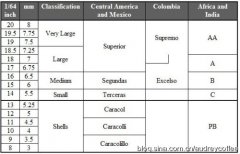
10 Visual Checks for Green Coffee Bean Quality
Learn how to assess green coffee beans by eye before roasting—10 key traits that reveal processing quality and potential cup flaws.

Coffee Bean Types and Flavors Explained with Grading
Explore major global coffee bean types like Yirgacheffe, Blue Mountain, and Mandheling with flavor profiles and grading systems explained.
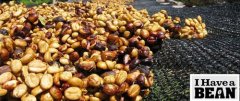
How Honey Processed Coffee Beans Are Graded
In Costa Rica, honey processed beans are graded yellow, red, or black based on drying light exposure. Darker colors mean less light and longer drying.
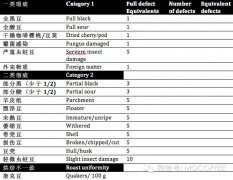
How Strict Are SCAA Specialty Coffee Grading Standards?
Discover the rigorous SCAA standards for specialty-grade Arabica green coffee, including zero primary defects and just five secondary flaws allowed per 350g.

How Coffee Bean Screen Sizing Works in Grading
Learn how coffee beans are graded by size using screen sieves, why size matters, and what it means for flavor and pricing.
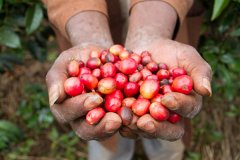
How Colombia Grades Its Coffee Beans
Colombia grades green coffee beans by defect count, bean size, region, and legal standards. Here’s how each system works.

How Coffee Beans Are Graded Around the World
Learn how countries like Kenya, Colombia, and Ethiopia grade coffee beans by altitude, size, and origin — and what those labels really mean.
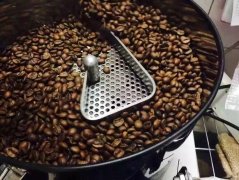
What Do Coffee Bean Grades G1 to G4 Actually Mean?
Learn how coffee grades like G1, G2, G3, and G4 relate to processing—not just quality—and why 'Grade 1' is extremely rare.
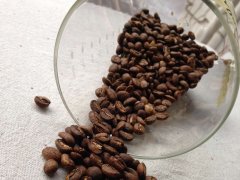
How Green Coffee Beans Are Graded by Size and Altitude
Green coffee is graded by two key methods: screen size and growing altitude. Here’s how each system works, with full numbers and regional examples.
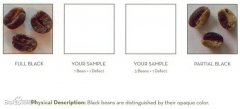
SCAA Coffee Bean Defects and Specialty Grading Explained
Learn how SCAA classifies specialty coffee grades and identifies 13 common bean defects that affect cup quality and scoring.

How to Choose Coffee Beans That Match Your Taste
Discover how to pick the right coffee beans based on flavor, origin, and roast style. Learn which beans suit bold, mild, or balanced tastes.

Acidic Coffee Beans: Origins and Flavor Profiles
Discover which coffee origins produce bright, acidic profiles—like Yemen’s Mocha, Kenya, and Guatemala—and why light roasting enhances their fruitiness.

How Coffee Bean Harvest, Processing & Storage Affect Quality
From harvest to storage, learn how farming practices, processing methods, and bean care determine your coffee’s flavor and freshness.