
Coffee Bean
Latest articles, industry insights and brewing guides

Why Blending Coffee Beans Creates Unique Flavors
Blending coffee beans balances flavors and creates complex profiles. Most commercial blends use 3–7 origins, roasted separately for best results.

Angola: Once a Global Coffee Powerhouse
Angola once led the world in coffee production. Learn how it reached 22,500 tonnes in 1974, fell after war, and now aims to revive output and quality.
How Coffee Is Harvested, Processed, and Classified by Variety
Learn how coffee cherries are picked and processed—dry vs. washed—and explore the main coffee varieties: Arabica, Robusta, and Liberica.

What Is Irish Coffee and How Is It Made?
Discover the true taste of Irish coffee, its origins, and how whiskey and coffee combine into a classic warm cocktail. A must-try for coffee lovers.

How to Choose Coffee Beans for Great Decaf Coffee
Great decaf starts with the right beans. Learn which origins and processes preserve flavor during caffeine removal, and why quality matters more than you think.

Why Highland-Grown Coffee Beans Taste Better
High-altitude coffee develops slower, creating more complex flavors. Here’s why elevation matters and how it defines premium beans.

Albanian Artist Breaks Record with Coffee Bean Portrait Mosaic
An Albanian artist used 140kg of variously roasted coffee beans to create the world’s largest coffee bean portrait mosaic, featuring five musicians.

How to Brew Coffee at Home: Key Tips & Methods
Learn how to turn coffee beans into great coffee at home with proper grind size, water temp, and brewing methods for filter, French press, and drip.
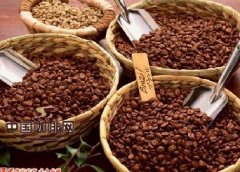
How to Tell If Your Coffee Beans Are Fresh
Learn how to assess coffee bean freshness through smell, touch, sound, and taste—with expert steps to ensure quality.

How to Identify and Choose High-Quality Green Coffee Beans
Learn how to identify quality green coffee beans by examining origin labels, bean appearance, and grading standards used by major producing countries.

How Coffee Beans Are Made: Two Processing Methods
Learn how green coffee beans are processed after harvest—dry (natural) and wet (washed)—and why freshly roasted beans taste best after resting one week.

Where Do Coffee Beans Come From? The Legends Behind Coffee
Learn the origins of coffee beans through two historic legends: the Ethiopian shepherd’s discovery and the Yemeni monk’s healing brew.

How Coffee Beans Become Your Cup of Coffee
From farm to cup, learn how coffee beans are grown, harvested, roasted, and brewed into your daily drink with seven essential steps.

What’s the Difference Between Red, Black, and Green Cap illy Coffee Beans?
Red cap illy is medium roast with bright acidity, black cap is dark roast with bold bitterness, and green cap is decaffeinated. Here’s how to choose.

What Are Coffee Beans Really?
Coffee 'beans' aren't beans—they’re seeds. Learn the botany, anatomy, and types behind the word you’ve been using wrong.
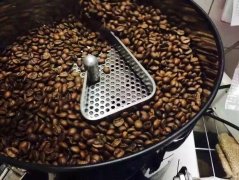
How Long Should Freshly Roasted Coffee Beans Rest Before Brewing?
Freshly roasted coffee beans need time to degas. Learn how long to wait before brewing for optimal flavor, especially for espresso.
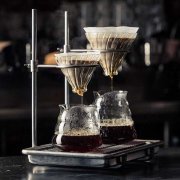
How to Identify and Choose Fresh Coffee Beans
Learn how to tell if coffee beans are fresh, what to look for in smell, sound, color, and oil, and how long to wait after roasting.
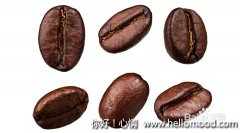
How to Identify and Choose Fresh Coffee Beans
Learn how to spot fresh, high-quality coffee beans by checking aroma, texture, color, and roast level. Essential tips for selecting specialty beans.
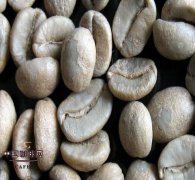
2005 Nicaragua CoE Winning Coffee Beans Explained
Learn about the rare 2005 Nicaragua Cup of Excellence-winning coffee beans, their unique volcanic soil origins, and ideal cinnamon roast profile.

How Coffee Roast Level Determines Acidity or Bitterness
Coffee flavor is 80% shaped by roast level. Light roasts taste more acidic, dark roasts more bitter. Here’s how roast depth defines your cup.