
Coffee Technology
Latest articles, industry insights and brewing guides

Does Latte Art Make Coffee Taste Worse?
Latte art doesn’t ruin coffee, but the foam ring can skew your taste perception. Blind tests show mixed results based on mixing.

How Coffee Art Turns Every Cup Into a Canvas
Explore how baristas craft intricate coffee designs, from latte art to etched drawings, and learn what makes each cup a unique visual experience.

How to Make a Cartoon Snowman Latte Art Design
Learn how to create a cute cartoon snowman design on your coffee using milk foam and a few precise latte art steps.

4 Coffee Brewing Methods and How They Actually Work
Learn how siphon, paper filter, cloth filter, and drip brewing extract coffee — with grind sizes, flow rates, and scientific principles behind each method.

Are Baristas Really in Short Supply?
Coffee shops are expanding fast, creating demand for skilled baristas—but is it a stable career? Here’s what the numbers and trends show.
How to Steam Milk for Latte Art: Basic Machine Steaming Guide
Learn how to steam milk properly for latte art with the right pitcher position, milk depth, and steam tip height—key steps for smooth microfoam.

How to Brew Consistently Good Coffee at Home
Learn the key factors—grind size, water temp, ratio, and freshness—that make or break your brewed coffee at home.

How to Make Coffee Ice Cream at Home With Just 7 Ingredients
Make rich, creamy coffee ice cream at home using egg yolks, espresso, Baileys, and whipped cream. This guide walks you through every step.

Gold Cup Coffee Theory: How Much Coffee for 300ml?
Find out how many grams of coffee to use for 300ml — 18.54g using the ‘golden’ ratio, or 18g simplified. Practical Gold Cup brewing math.

How the Term 'Barista' Evolved in Coffee Culture
From 'espresso puller' to skilled coffee professional, the word 'barista' has shifted meaning over decades. Learn its origins and current usage.

How Coffee Beans Are Processed: Natural, Washed, Honey, and Semi-Washed Methods
Learn how coffee cherries become beans via natural, washed, Brazilian semi-washed, or mechanical semi-washed methods—each impacting flavor and sustainability differently.
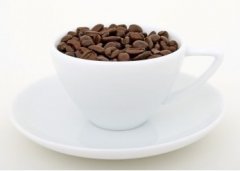
Washed vs Natural Coffee Processing: What Every Roaster Should Know
Learn how washed (wet) and natural (dry) coffee processing methods affect flavor, quality, and cost—with exact steps, timelines, and equipment details.

How Coffee Processing and Roasting Methods Shape Flavor
Learn how washed and natural coffee processing methods, along with roast levels, determine flavor profiles in your cup.
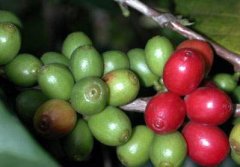
How Coffee Cherries Become Green Beans: Processing, Drying & Sorting
From bright red cherry to parchment-covered green bean: learn the steps—picking, pulping, fermenting, drying—that turn coffee cherries into export-ready beans.

Natural Process Coffee: What Is Dry Processing?
Dry processing, also called the natural method, is the oldest and cheapest way to prepare coffee beans—but it demands skill to avoid defects.
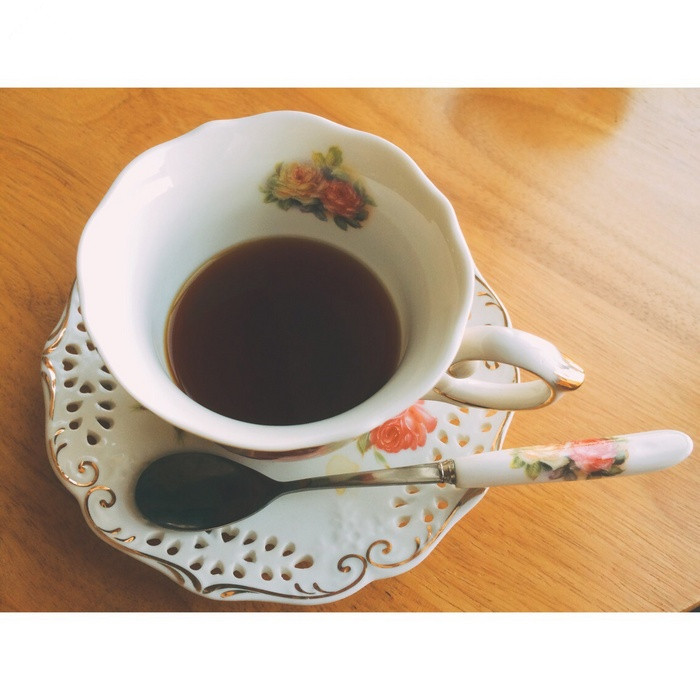
Everything You Need to Know About Coffee Cups
Discover how cup size, material, color, and proper use affect your coffee experience. Learn the secrets behind choosing and handling coffee cups.
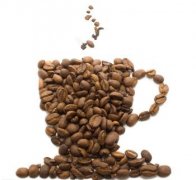
Natural Process Coffee: How Sun-Dried Beans Are Made
Learn how sun-dried (natural) coffee beans are processed, why they taste fruitier, and how long drying takes under ideal conditions.
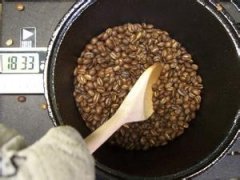
How Washed Coffee Processing Works: Step by Step
Washed coffee removes the fruit via fermentation and water. Learn the exact steps, timing, and why it results in bright, clean-tasting beans.
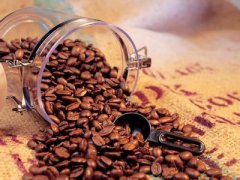
Brazil’s Semi-Washed Coffee Processing Explained
Learn how Brazil’s semi-washed (pulped natural) process improves consistency and flavor in specialty coffee, replacing inconsistent traditional sun drying.
How Natural Coffee Processing Works: Step by Step
Learn the full process behind natural coffee: from selecting ripe cherries to drying and milling. Discover how sun-drying shapes coffee flavor.