
Coffee Technology
Latest articles, industry insights and brewing guides

What Is Malaysian White Coffee and How Is It Made?
Learn what sets Malaysian white coffee apart: its unique beans, low-heat roasting, and creamy milk blend create a smoother, less bitter cup.

Latte Art Tips for Small Cups Like Ounces
Smaller cups make latte art harder—but with practice, even 1oz pours can succeed. Here’s how to master tiny-format designs.
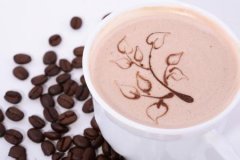
How to Make Good Milk Foam for Coffee
Good milk foam comes from whole milk with 3.5%–4% fat. Stable fat content ensures long-lasting, velvety microfoam for latte art.
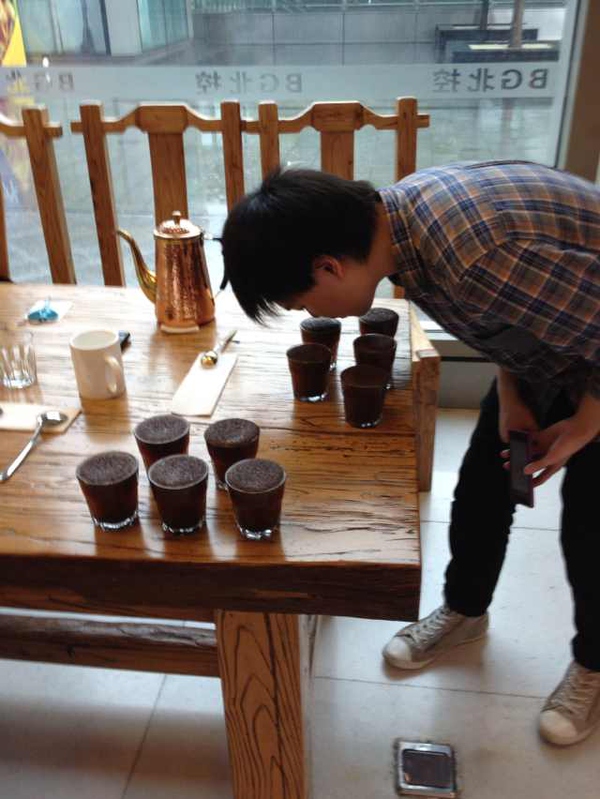
How to Taste Single Origin Coffee Like a Pro
Learn how to evaluate single origin coffee in six steps, from dry fragrance to flavor clarity and defects. A guide for beginners.

How to Make Great Latte Art with Coffee Crema
Learn how to pull the perfect espresso with rich crema and steam milk right for stable, beautiful latte art every time.
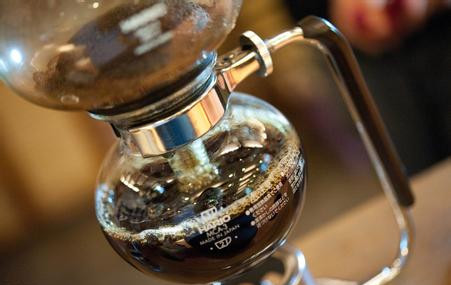
How to Brew Coffee with a Syphon (Siphon) Maker
Learn how to make siphon coffee step-by-step with precise grind size, water temperature, and 1:12 to 1:16 brew ratios for optimal extraction.

Why Coffee Roasters Deserve More Respect
Coffee roasting is a long, precise craft. Learn why skilled roasters matter, how beans are selected, and what makes great roasting so difficult.

How to Process Coffee Beans Using the Honey Method
Learn the step-by-step honey process for coffee, including variations like black, red, yellow, and white honey, with drying and fermentation details.

How to Taste Turkish Coffee for Its Full Flavor
Learn how to properly taste Turkish coffee: start with water, choose your sugar level, and enjoy it with traditional pairings for the full experience.

Coffee Bean Composition: A Detailed Breakdown
Learn what’s inside your coffee beans—volatile compounds, nitrogen-based chemicals, fiber, and more—with exact percentages and roasting impacts.

Natural Process Coffee: How Sun-Dried Beans Are Made
Learn how traditional sun-dried (natural) coffee processing works, why it produces bold, fruity beans, and what affects quality during drying.

How Washed Coffee Processing Brings Out Bright Acidity
Learn how the washed coffee process works—fermentation, soaking, and cleaning steps that create clean, bright, acidic coffee flavors.

The Complete Timeline of Coffee History
From its medicinal roots in 1000 AD Bukhara to Starbucks' first shop in 1971, here’s every key moment in global coffee history.

Washed Coffee Has Higher Acidity Than Natural Process Beans
Washed coffee typically exhibits higher acidity than natural (sun-dried) beans due to processing and concentration differences. Acidity also relates to altitude and roast level.

How Washed Coffee Processing Works: Drying and Fermentation
Washed coffee processing involves pulping, fermenting, and drying green beans. Each step affects flavor. Learn how long fermentation lasts and why drying matters.

How to Roast Coffee Beans at Home: 4 Simple DIY Methods
Learn how to roast fresh coffee beans at home using oven, pan, mesh pan, or a DIY can setup—with exact temperatures, timings, and steps.

How Coffee Beans Are Processed: Natural vs Washed Methods
Coffee beans are processed either by natural (dry) or washed (wet) methods, each dramatically affecting flavor, price, and quality. Here's how both work.

How Are Latte Art Patterns Actually Made?
Latte art forms when two stable foams—espresso crema and microfoam—mix slowly. Here’s the science behind those Instagram-worthy designs.

Latte Art Techniques: How to Steam Milk and Pour Patterns
Learn how to master free pour latte art with the right milk texture, pour technique, and crema balance for clean, stable designs.
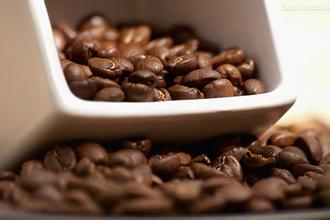
How Coffee Beans Are Graded Around the World
Learn how altitude, bean size, defects, and origin define global coffee grading standards—from Guatemala to Ethiopia.