
Coffee Technology
Latest articles, industry insights and brewing guides
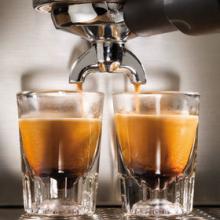
Espresso Brewing Ratio: Key Details You Should Know
Learn the standard espresso brew ratio and why it matters for balance, body, and crema in your shot. Essential for baristas and home brewers.
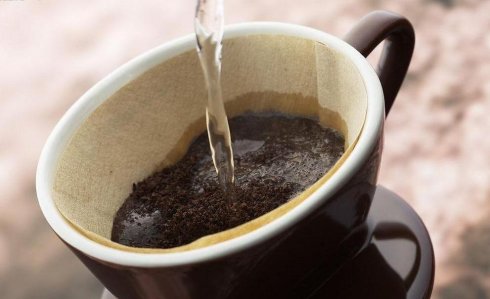
Best Water Temperature for Pour-Over Coffee Brewing
Find the ideal pour-over water temperature range (82°C–84°C) for balanced extraction, and learn how to adjust based on roast level and bean freshness.
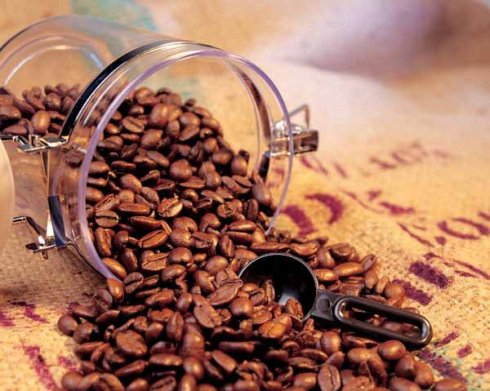
How to Tell Freshness and Store Coffee Beans Properly
Learn how to identify fresh coffee beans by smell, sight, and touch, and store them to preserve their flavor with these expert tips.
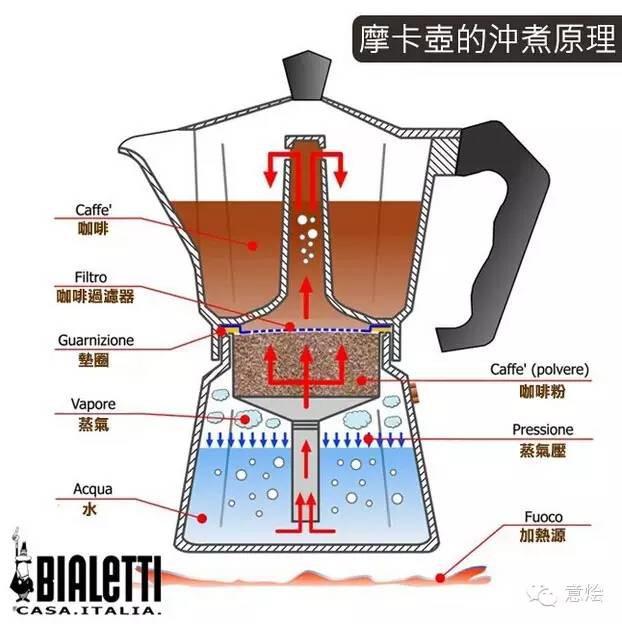
How to Brew Rich Moka Pot Coffee Like Italians Do
Learn how to use a moka pot to brew authentic, rich Italian-style espresso at home with the right grind, water level, and brewing steps.
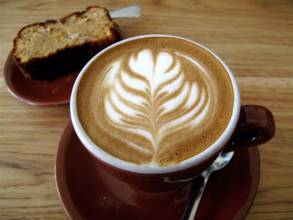
The Origins and Techniques of Coffee Latte Art
Learn where coffee latte art came from, how it evolved, and the key techniques used to create it, including both pouring and etching.
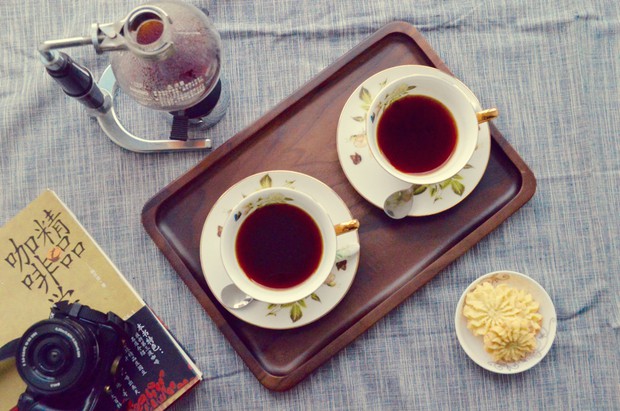
How to Brew Coffee at Home in Three Steps for Your Perfect Cup
Learn how to brew a personalised cup of coffee at home in three key steps: grinding, brewing, and serving. Discover the tools and methods that bring out your ideal flavour.
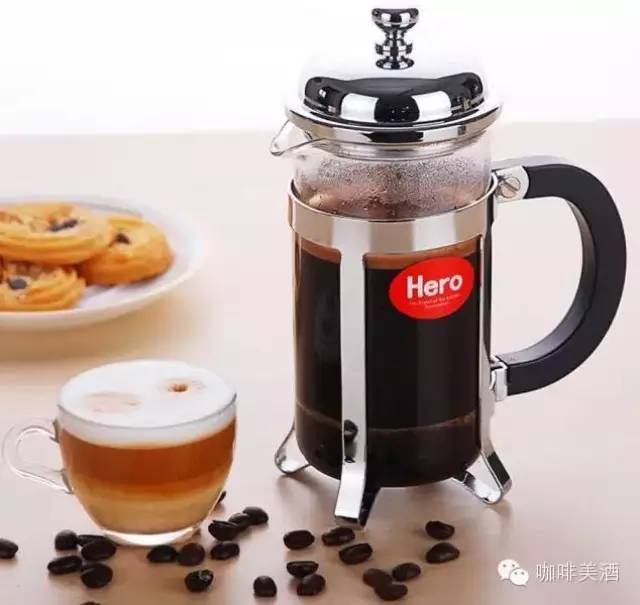
Why the French Press Is Called a Lazy Brewer — And How to Use It Right
The French press is called 'lazy' because it’s easy: just add coffee, pour hot water, wait, then press. Here’s how it works and why it tastes so good.

How to Adjust Grind Size, Dose, and Tamp for Espresso
Learn how to fine-tune espresso grind size, dose, and tamp pressure for balanced shots, with expert tips on consistency and troubleshooting.

Espresso Making: Grind Size, Dose, and Tamping Guide
Learn how to adjust grind size, dose, and tamping pressure for consistent espresso, with tips for using different beans and machines.
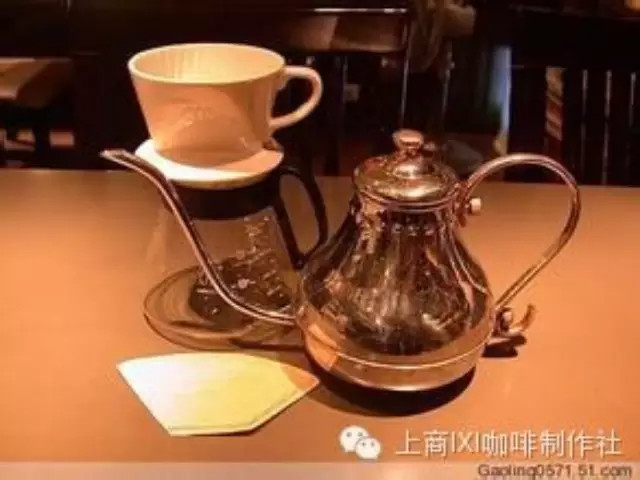
Common Coffee Brewing Methods Explained
Learn how pour-over, French press, siphon, Moka pot, and electric brewers work—with ideal temps, grind sizes, and key pros and cons.
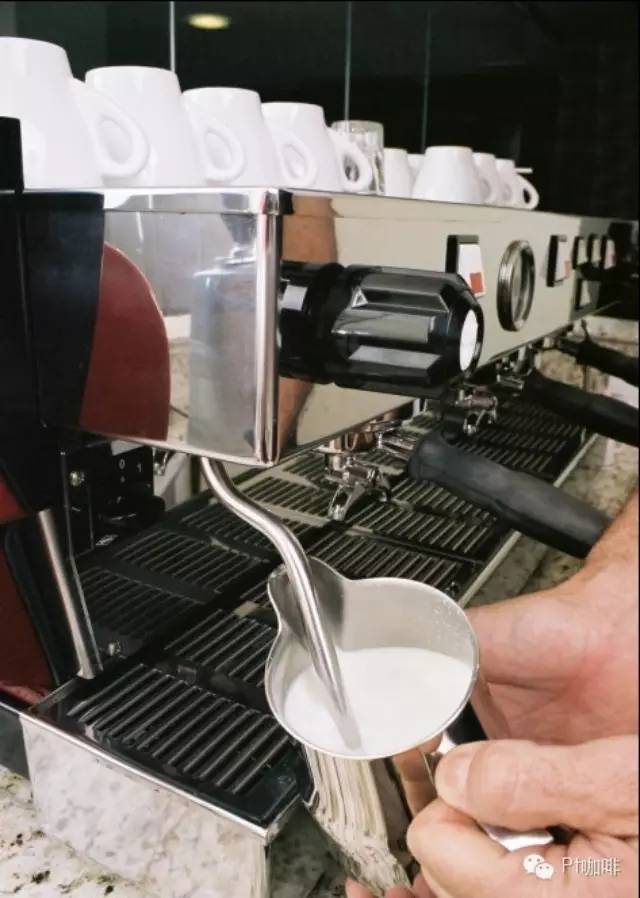
How Steam Volume Affects Latte Art Milk Frothing
Find out why you shouldn’t fully open your steam wand when frothing milk for latte art — and how to control steam volume like a pro barista.
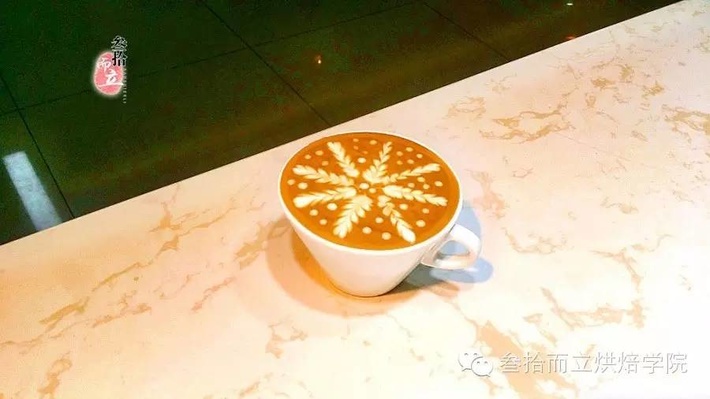
How Milk Foam Affects Latte Art in 7 Key Ways
Learn how milk temperature, fat content, foam thickness, and more impact your latte art results — with exact numbers for baristas.
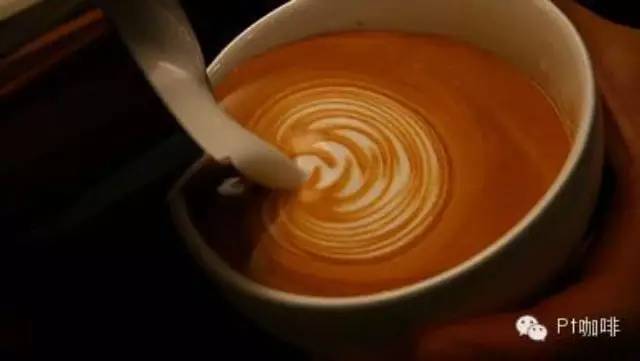
How to Steam Milk for Latte Art: Milk Foam Fusion Explained
Learn how to judge milk foam fusion with espresso and why it matters for both latte art and flavor. Includes fusion timing tests and key steam wand tips.
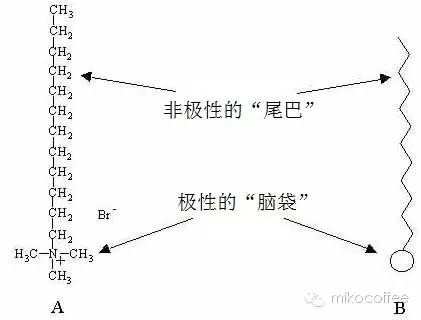
How Milk Foam and Crema Work in Latte Art Physics
Learn how surface tension, foam stability, and crema create the patterns in latte art through fluid dynamics—explained for baristas.
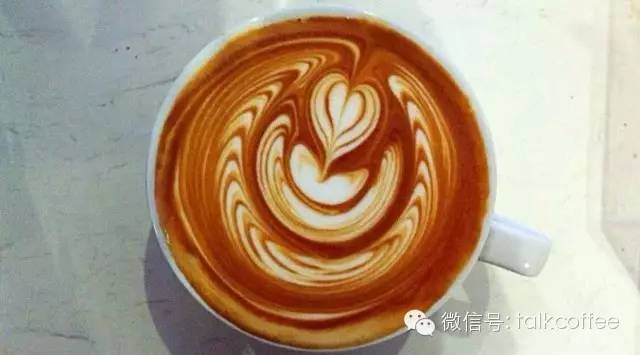
How Milk Foam and Milk Fusion Affects Latte Art
Learn how the fusion of milk foam and steamed milk impacts latte art clarity and coffee taste. Understand fusion levels and how to judge them.
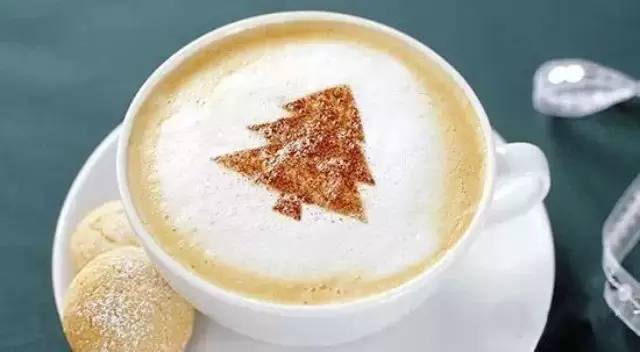
Espresso Latte Art: Essential Knowledge Before Pouring
Master the key variables that impact latte art before you pour — from espresso extraction to milk texture and cup shape.
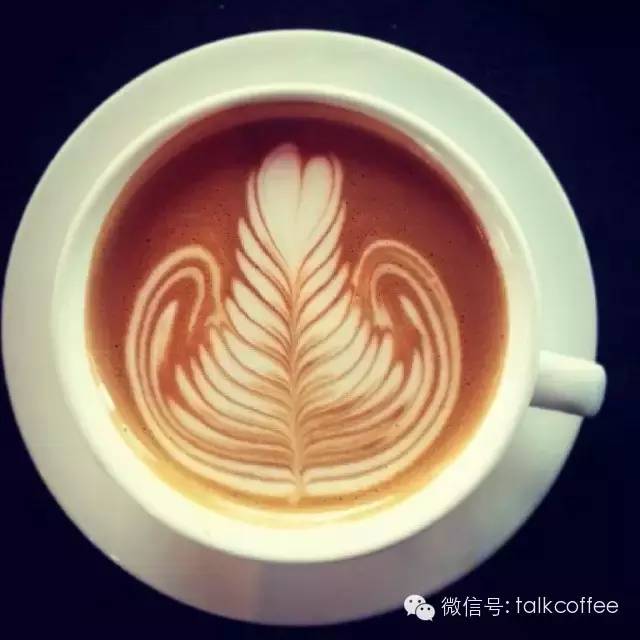
How to Pour a Leaf Latte Art Design in Espresso
Learn the step-by-step technique for creating a classic leaf latte art design using steamed milk and a well-poured espresso shot.
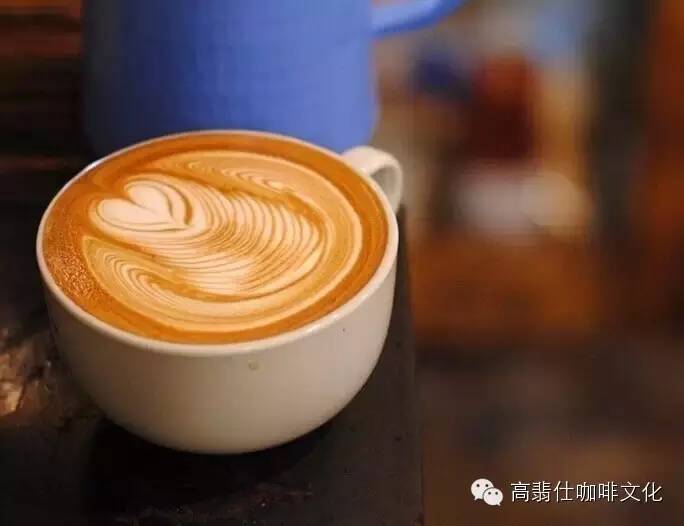
How to Control Milk Flow for Latte Art Pouring
Learn to control milk flow speed for stable pours and clean latte art. Master three essential water-pouring drills using a pitcher.
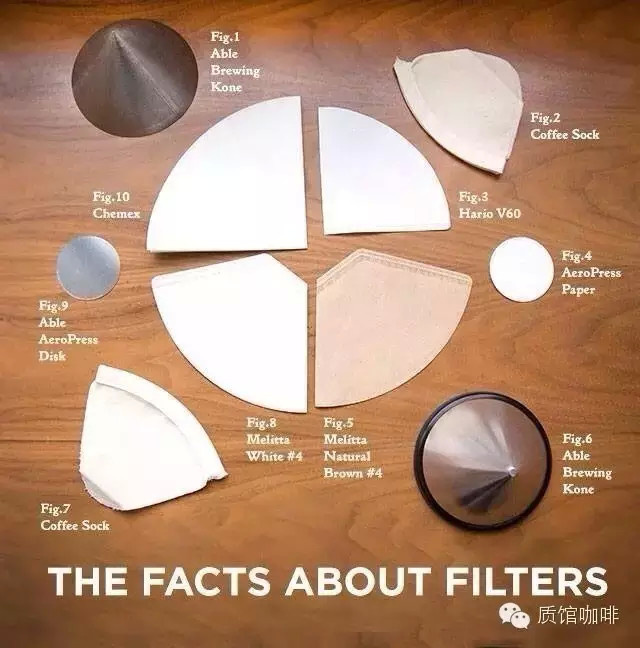
How Filter Paper Affects Pour-Over Coffee Taste
We tested six filter types and found bleach-treated and lightweight Japanese papers produce cleaner, brighter cups. Cloth filters? Avoid them.
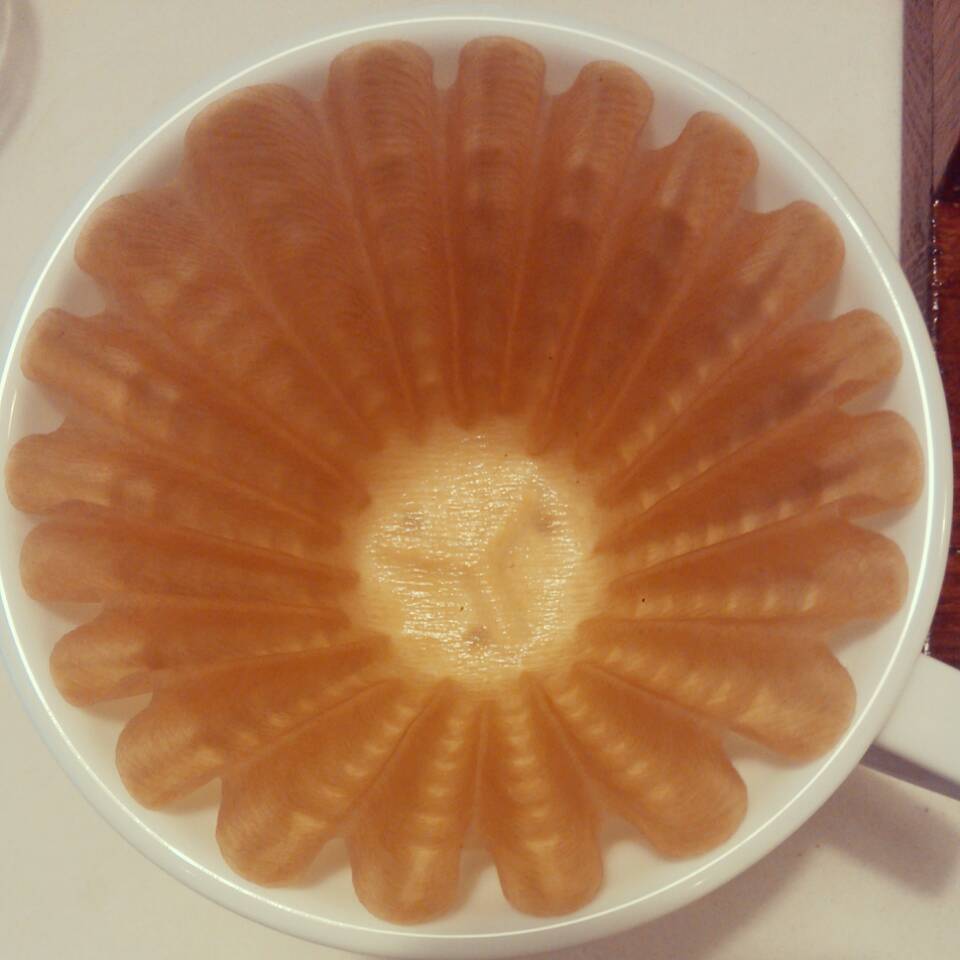
Pour-Over Filter Paper: How Quality Affects Your Brew
Good filter paper has fine, clear texture and minimal pulp taste, maintaining flow during brewing. Poor-quality paper restricts water flow, causing over-extraction.