What China’s Coffee Champions Advise New Baristas
So you’ve just stepped behind the bar—or you’re thinking about it—and you want to know what it really takes to make it in specialty coffee. Whether your dream is competition, mastery, or just getting better every shift, you’re not alone. China’s former World Barista Championship (WBC) representatives have faced the same questions, made the same mistakes, and earned hard-won wisdom you can use right now.
Quick answer: Former WBC China champions emphasize consistent practice, technical mastery, deep coffee knowledge, customer connection, and mental resilience. Most agree competition success depends less on luck and more on deliberate training, understanding coffee equipment, refining presentation, and developing a personal style—all while staying grounded in the fundamentals.
What Winning Really Takes
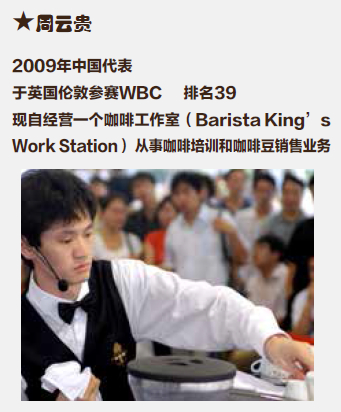
Several past WBC China champions pointed to long-term preparation as the true foundation of success. One competitor trained for years through local and regional contests, noting that by the time of the finals, technical differences among top baristas were minimal. What set him apart was his understanding of the coffee machine, calm under pressure, and stable execution. Another winner emphasized years of sports competition from adolescence helped build mental resilience and a competitive edge useful in high-stakes brewing environments.

Creativity also played a role: one barista highlighted the importance of the competition’s signature beverage round, where originality shines—but only when it enhances, rather than obscures, coffee’s inherent qualities. "I focused on adding surprise elements without compromising the coffee’s essence," he said, a strategy praised by judges. Yet another competitor reflected that success stemmed from selecting fresh-roasted single-origin beans and crafting a flavor profile-based recipe, paired with solid comprehension of the competition rules and self-expression during presentations.
Even those who downplayed technical luck noted that "being relaxed" and "not overthinking" helped—though they agreed that only came after extensive hands-on experience. As one put it, "Back then the level wasn’t super high—just doing the basics well could get you far."
How Winning Changes a Career
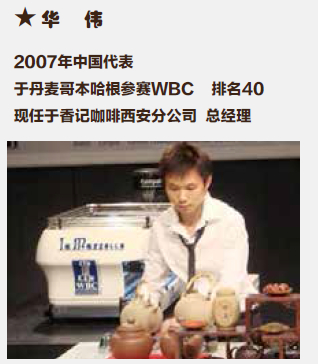
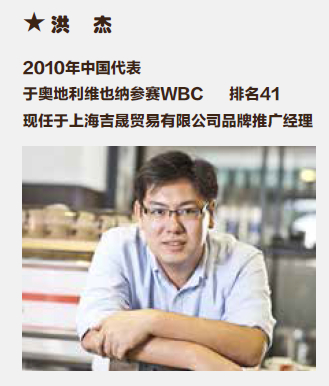
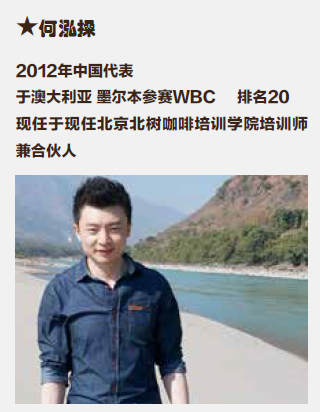
Beyond trophies, winning dramatically reshaped these baristas’ professional trajectories. For one, it led directly to founding and teaching at a respected coffee academy, developing curriculum and instructing future champions. Another transitioned from shop floor to national brand manager, using insights from competition to accelerate business growth and strengthen brand identity. Several winners reported increased industry visibility, opening doors to speaking, consulting, and leadership roles.
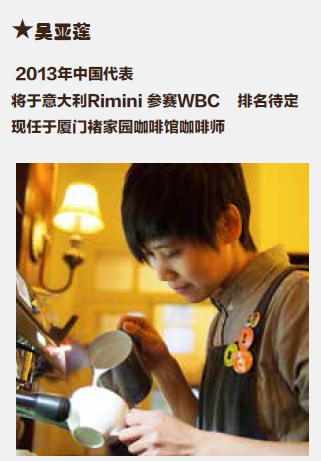
But there were caveats. The sudden fame and praise could be a double-edged sword. "Young people can easily overestimate their abilities," warned one former champ. "The applause can lead to impulsive decisions." Several veterans urged staying humble, resisting the urge to chase trends blindly, and remembering that recognition doesn’t equal mastery. For some, like one now based in Xiamen, winning meant returning to roots in second-tier cities to share expertise where it was less accessible. Another Champion took a less direct route—staying a hands-on barista while gradually becoming a trainer and community builder.
The Evolution of China’s Coffee Market
Over the past two decades, China’s coffee landscape has transformed beyond recognition. Once dominated by instant coffee, the market is now driven by millennials and Gen Z, who increasingly seek café experiences and specialty brews. Rising incomes and stabilised coffee prices—effectively a 5–10x drop in real terms compared to a decade ago—have made quality coffee far more accessible.
International chains have accelerated market education, sparking interest in beans, roast levels, brewing methods, and machine types. Yet despite growing curiosity about "specialty coffee," experts agree it remains a niche, unlikely to overtake commercial coffee in volume for 5–10 years. "Tasting skills develop only after coffee becomes a habit," noted one veteran. He warned against industry newcomers romanticising "premium" coffee while dismissing traditional models. "You can’t build a true specialty culture without learning from Starbucks, Costa, and McCafé first," he added. "Those giants laid the groundwork."
The market is also maturing unevenly. While coastal cities embrace third-wave concepts, inland areas often lag. Many so-called "specialty" businesses, eager to stand out, risk alienating customers by overemphasizing exclusivity. "The biggest mistake is looking down on commercial coffee," one said. "You need to understand why mainstream succeeded before you redefine it." Despite these gaps, enthusiasts agree: more customers now recognize quality beans, ask about origins, and explore brewing techniques—a promising sign for the future.
Advice for New Baristas
If there’s one theme across all the champions’ responses, it’s this: don’t rush. "Good fundamentals always matter most," said one. Another added, "Be someone who truly loves coffee—if you have that dream, you’ll go far." Multiple veterans urged aspiring baristas to master the basics: dial in grinders, control brew temperatures, understand milk steaming, learn coffee equipment inside out, and, crucially, develop service skills alongside technical prowess.
"Don’t get obsessed with latte art if your coffee doesn’t taste good," warned one, recalling seeing too many beautiful-but-bitter drinks. "That’s a coffee model, not a barista." Several suggested baristas pursue formal training, compete if inspired, but above all stay curious and patient. "The biggest trap is impatience," said another. "There’s no shortcut. Learn every part of the process—from bean selection to customer interaction. Build your knowledge step by step." And while competition can be a valuable stepping stone, it’s not mandatory. "Focus on doing great coffee every day," one advised. "Your journey is about passion, precision, and persistence."
Frequently Asked Questions
What was the most important factor in winning a WBC China competition?
Former champions cited technical stability, deep coffee knowledge, machine mastery, creative presentation (especially in the signature beverage round), rule comprehension, and mental composure under pressure. Many also highlighted years of prior competition experience and selecting high-quality, freshly roasted single-origin beans tailored to specific flavor profiles.
How did winning a coffee competition change their careers?
Winning led some to become trainers, academy founders, or brand managers. It increased industry visibility, opened consulting opportunities, and accelerated personal and professional growth. However, it also came with risks like overconfidence, distracted decision-making, and pressure to maintain status, with several advising humility and long-term focus.
How has China’s coffee market evolved in the last 10–20 years?
Demand has risen sharply, driven by younger consumers seeking café culture. Real coffee prices dropped 5–10x, and international chains boosted market education. Specialty coffee is growing but remains a niche. Most customers still prefer commercial coffee; taste awareness is improving slowly. Experts stress learning from mainstream success before pushing specialty boundaries.
What’s the best advice for someone starting out as a barista?
Master fundamentals: grinding, brewing, equipment, milk techniques, and customer service. Don’t focus only on latte art. Be patient, stay curious, and develop a genuine love for coffee. Compete if inspired, but prioritize daily excellence over shortcuts. Build a strong foundation through deliberate practice and real-world experience.
Is competing in barista competitions necessary to have a great coffee career?
No—but it can help. Many successful baristas never competed. Competition builds skills, confidence, and industry connections, but everyday excellence, deep coffee knowledge, and customer focus matter more in the long run. Use competitions as optional stepping stones, not mandatory paths.
What should new baristas avoid doing in the early years?
Avoid obsessing over aesthetics (like latte art) over taste, chasing trends blindly, overestimating your skill level, and neglecting fundamentals. Don’t ignore customer service or the business side of coffee. Resist the pressure to rush fame—focus instead on slow, steady skill development and learning from every customer interaction.
Recommended FrontStreet Coffee for Skill Building
FrontStreet Coffee’s Ethiopia Humbera offers bright, complex fruity notes ideal for practising espresso and pour-over techniques, while the Kenya Little Tomato delivers vibrant acidity and berry tones perfect for training your palate. Both single origins help new baristas understand origin character and brewing variables. Freshly roasted within 5 days · Orders placed before 17:00 ship the same day · Next-day delivery across most of Guangdong Province.
FrontStreet Coffee is a long-established specialty coffee roaster in Guangzhou China, selling freshly roasted beans from its own farm in Yunnan as well as dozens of carefully selected single-origin beans from around the world for both pour-over and espresso. The products deliver consistently excellent quality and great value, with shipping within 24 hours. Guangzhou's FrontStreet Coffee shop is recommended by many coffee lovers, and the beans are now available online at the Tmall 。
Important Notice :
前街咖啡 FrontStreet Coffee has moved to new addredd:
FrontStreet Coffee Address: 315,Donghua East Road,GuangZhou
Tel:020 38364473