
Coffee Technology
Latest articles, industry insights and brewing guides

Coffee Roast Levels, Process & Curves Explained
Learn how coffee roasting works—from first crack to final curve—with details on temperature, timing, and roast profiling for flavor control.
CoE Cupping Scorecard: How It Rates Specialty Coffee
Learn how the CoE scoring system evaluates specialty coffee, with 8 key criteria and what scores mean from commercial to championship level.
Where Does Acidity in Coffee Come From?
Learn why coffee acidity varies by origin, processing, and roast. Discover the acids behind bright flavors and how they affect your cup.
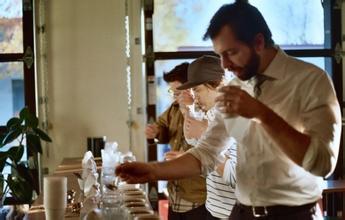
How to Cup Coffee by SCAA Standards
Learn the exact SCAA cupping protocol: roast level, grind size, water temp, brew ratio, and timing for professional coffee evaluation.
Why Coffee Tastes Less Flavorful Than It Smells
You’re not imagining it—coffee often smells better than it tastes. Two types of smell perception and saliva’s effect explain the difference.
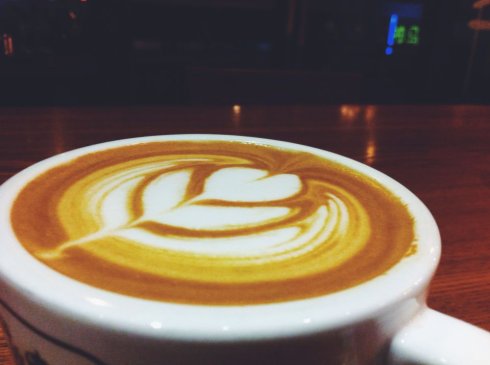
Whole Milk for Frothing: What Makes It Work in Espresso Drinks
Whole milk foams better due to its fat and protein balance. Find out why fat inhibits but protein enables microfoam, and what makes fortified milk foam more.
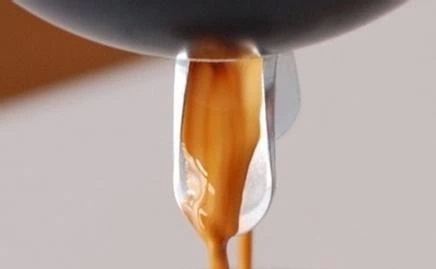
What Crema on Espresso Reveals About Extraction Quality
Espresso crema isn’t just aesthetics — its color, texture, and persistence signal freshness, roast level, and extraction success. Here’s what to look for.
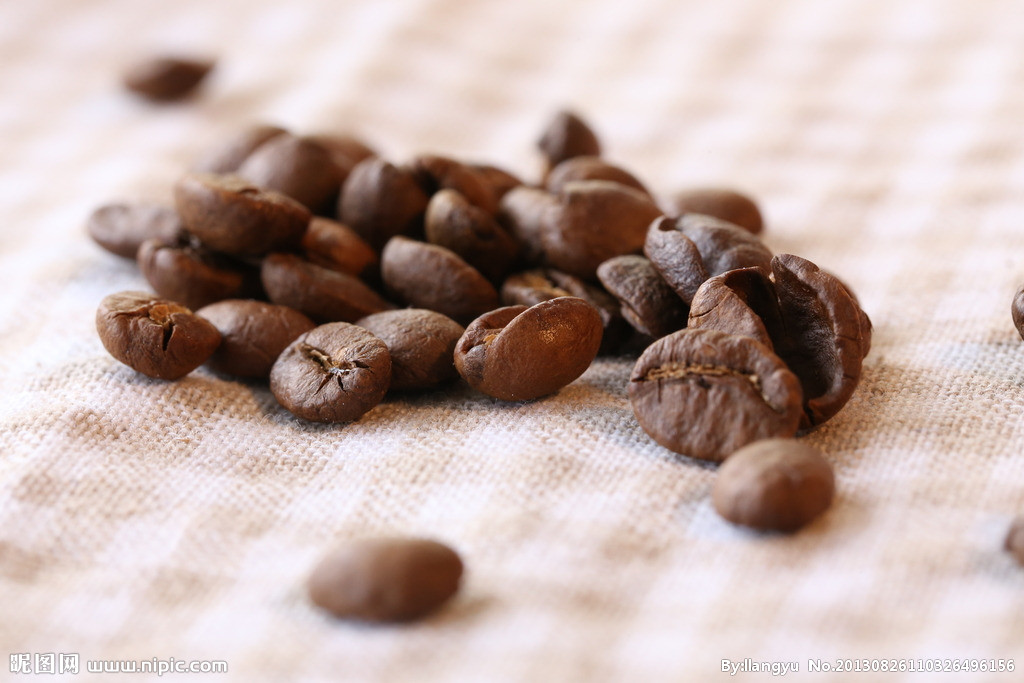
How Low-Caffeine Coffee Is Made: Processes and Caffeine Limits
Learn how low-caffeine coffee is produced, the three main methods, and the strict 0.3% caffeine limit per cup. Explained for specialty coffee drinkers.
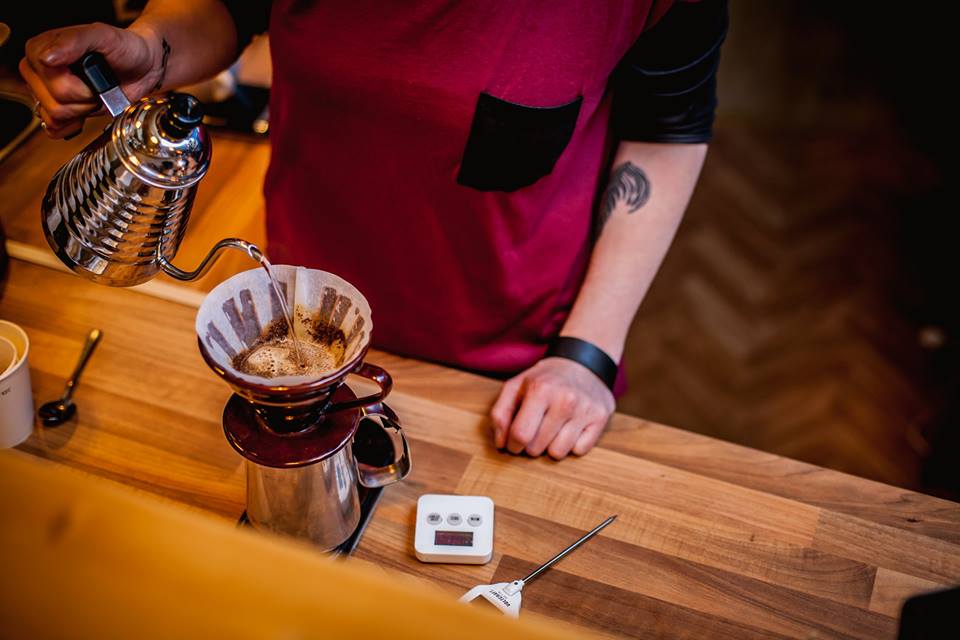
SCAA Gold Cup Standards for Drip Coffee Brewing
The SCAA Gold Cup standard requires a 1.1–1.3% TDS and 20% extraction for optimal drip coffee. Learn the science behind the ideal brew.
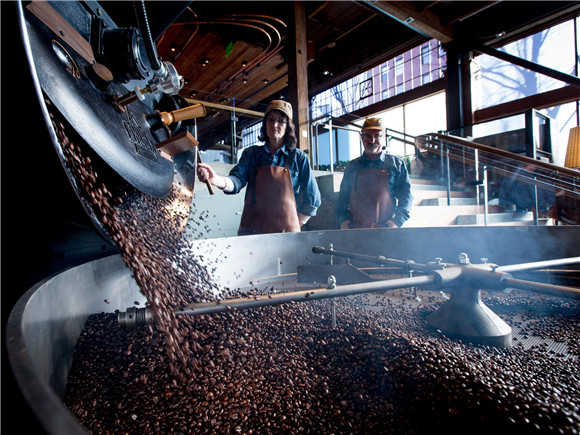
How Long Do Roasted Coffee Beans Stay Fresh?
Roasted coffee beans remain fresh for about 10 weeks. They peak in flavor for 2 weeks, stay good for 1 more month, then enter a usable decline phase.
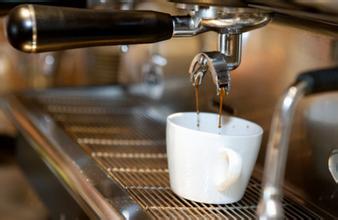
Espresso Extraction: Time, Area, and How They Work Together
Learn how espresso extraction time and coffee surface area interact to shape flavor. Understand the science behind 30-second shots and fine grinds.
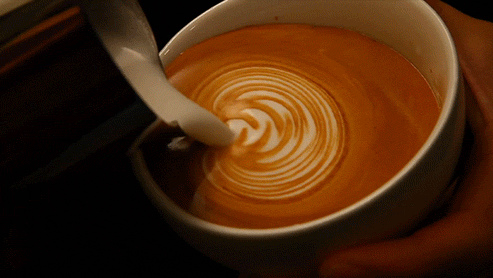
How to Make Latte Art: Tools, Techniques & Step-by-Step Guide
Learn the two main latte art techniques—free pouring and etching—and the essential tools including espresso machines, milk pitchers, and grinders.
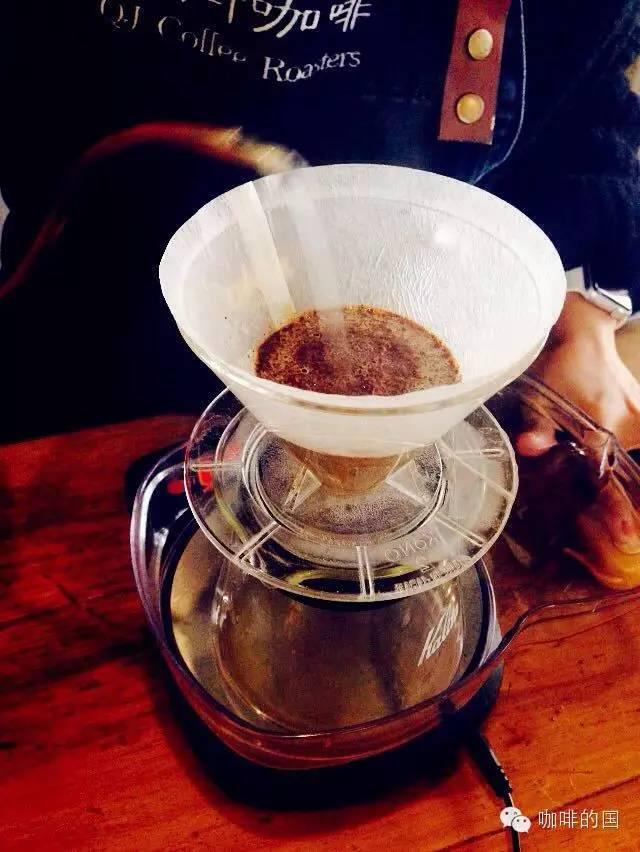
Why Coffee Beans Turn Brown and Smell Amazing During Roast
Coffee turns brown and aromatic through Maillard reactions and caramelization during roasting. Learn how pigment types and chemical changes create flavor.
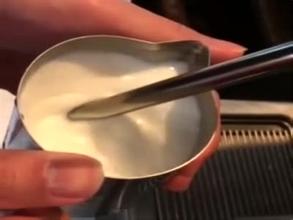
How to Steam Milk for Espresso: Fixing Common Milk Frothing Issues
Learn how to steam milk properly for espresso drinks, including ideal temperatures, angles, and techniques to create smooth microfoam.
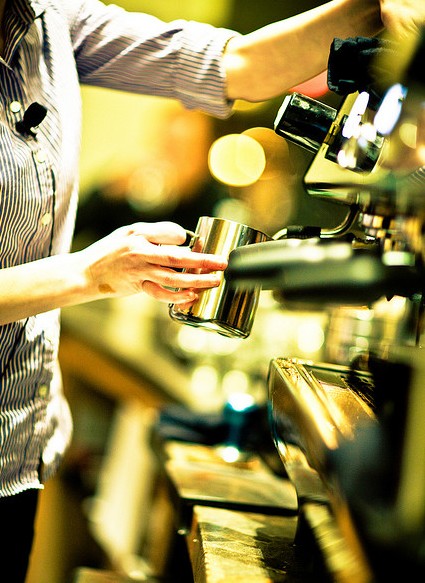
How Milk Frothing Affects Latte Art in Espresso Drinks
Mastering milk froth is key to beautiful latte art. Learn the right temperatures, steam techniques, and pouring tips for perfect foam.
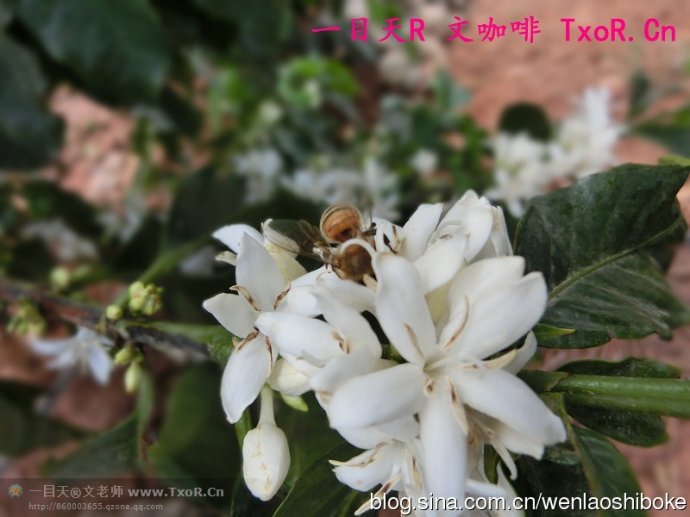
How Often Do Coffee Trees Bloom? What Do Coffee Flowers Look Like?
Coffee trees typically flower around age three, producing fragrant white blooms in spring. Find out when and how they bloom, plus the timeline to cherry harvest.
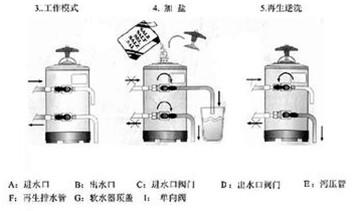
Daily Maintenance and Care for the Sm85e Espresso Machine
Learn how to maintain your Sm85e espresso machine: daily cleaning, weekly backflushing, part replacement schedule, and water system care.
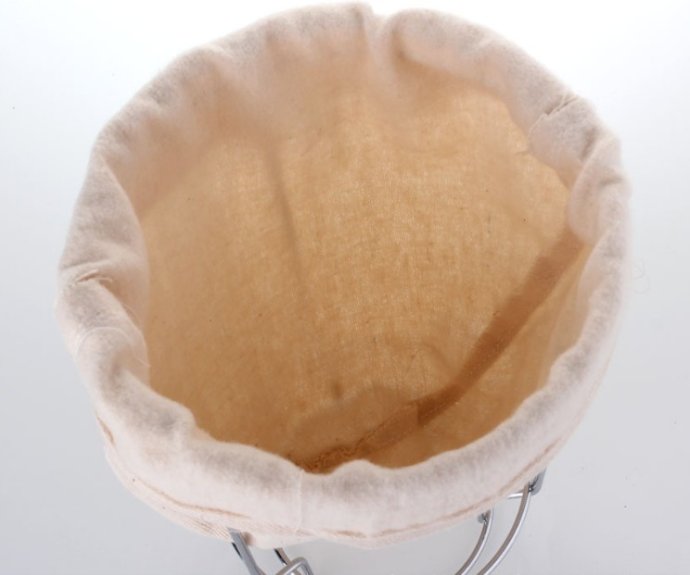
How to Brew Romantic Iced Coffee Using a Flannel Dripper
Learn how to make chilled flannel pour-over coffee with step-by-step instructions, optimal grind, water temps, and how to store your flannel filter.
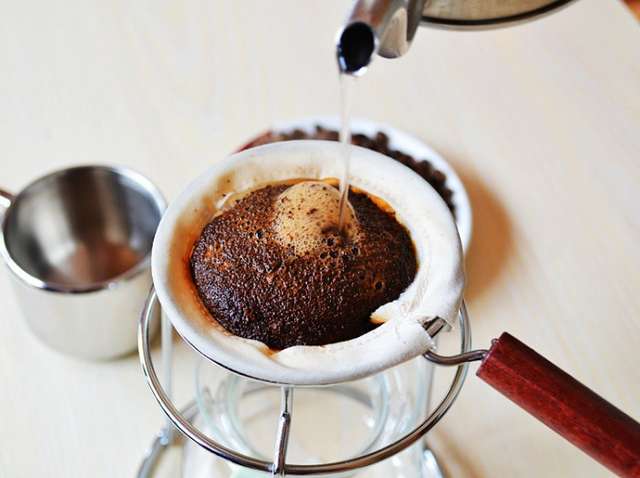
Flannel Pour-Over: Brewing Coffee with Romantic Texture
Learn how flannel pour-over extracts full coffee character with enhanced body and oils, offering a richer cup than paper filters.

How to Design a Graffiti Café: Layout & Style Essentials
Learn how graffiti cafés use strategic layouts, visual barriers, and open seating to create engaging spaces that balance privacy and atmosphere.