
Coffee Technology
Latest articles, industry insights and brewing guides
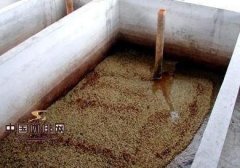
How Semi-Washed Coffee Processing Works in Humid Regions
In high-humidity areas, semi-washed (mechanical demucilaged) processing removes sticky mucilage with minimal water and avoids fermentation.

How Washed Coffee Processing Works Step by Step
Learn how washed coffee is processed — from fruit removal to fermentation — to achieve clean, bright, and consistent specialty beans.
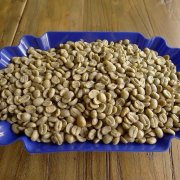
How Washed Process Coffee Develops Bright Acidity
Washed coffee processing creates vibrant acidity and clean flavors. Learn the 7 key steps from fruit selection to drying.

What Is Washed Coffee Processing? The Full Breakdown
Washed coffee processing removes the fruit layer before drying. Learn how it works, why it’s used, and how it shapes your cup.

What Is Semi-Washed Coffee Processing?
Semi-washed (pulped natural) coffee is a hybrid between washed and natural processes, removing the pulp mechanically and drying the beans—without fermentation.

The Three Main Coffee Processing Methods Explained
Learn how natural, washed, and honey processing shape coffee flavor — with ratios, steps, and pros and cons for each.

Washed vs Natural Coffee Processing: What’s the Difference?
Washed coffee offers cleaner acidity and fruit notes, while natural processing gives heavier body and sweetness. Here’s how each method works.

What Is the Semi-Washed Coffee Processing Method?
The semi-washed coffee process combines features of both washed and natural methods. Learn how it works, where it’s used, and what flavors it produces.
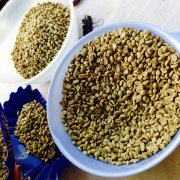
Washed vs Natural Coffee Processing: Which Is Better?
Washed (wet) processing yields cleaner, brighter coffees; natural (dry) is cheaper but riskier. The best method depends on quality goals and resources.

Natural, Washed, and Honey Coffee Processing Methods Explained
Learn how natural, washed, and honey processing methods affect coffee flavor, moisture, and drying methods—with key processing times and ratios.

Washed vs Natural Coffee Processing Methods Explained
Learn how washed and natural coffee processing creates distinct flavors — from bright acidity to rich fruitiness — with key facts on fermentation, drying, and moisture control.

Washed vs Natural Coffee Processing: What’s the Difference?
Washed coffee delivers bright acidity and consistency; natural processing offers complex, lower-acid flavors. Here’s how both methods shape your cup.

Washed, Honey, and Natural: How Coffee Processing Shapes Flavor
Learn how washed, honey (semi-washed), and natural (dry) processing methods affect coffee flavor, acidity, and sweetness. Key differences explained.

What Is Semi-Washed Coffee Processing?
Semi-washed coffee processing, also called pulped natural, removes the skin but leaves mucilage. Dried on patios, it blends washed and natural traits.
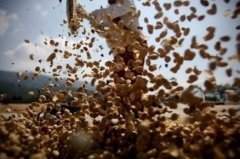
What Is Semi-Washed Coffee Processing?
Semi-washed coffee combines elements of washed and natural methods. Learn how it reduces water use while enhancing sweetness and body.
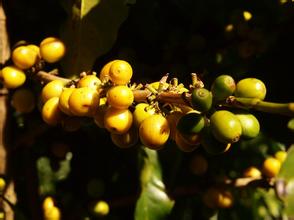
Can You Grow Coffee Trees at Home? What You Need to Know
Growing coffee at home is tricky. Here’s what climate, altitude, and conditions really require — and why most backyards won’t work.
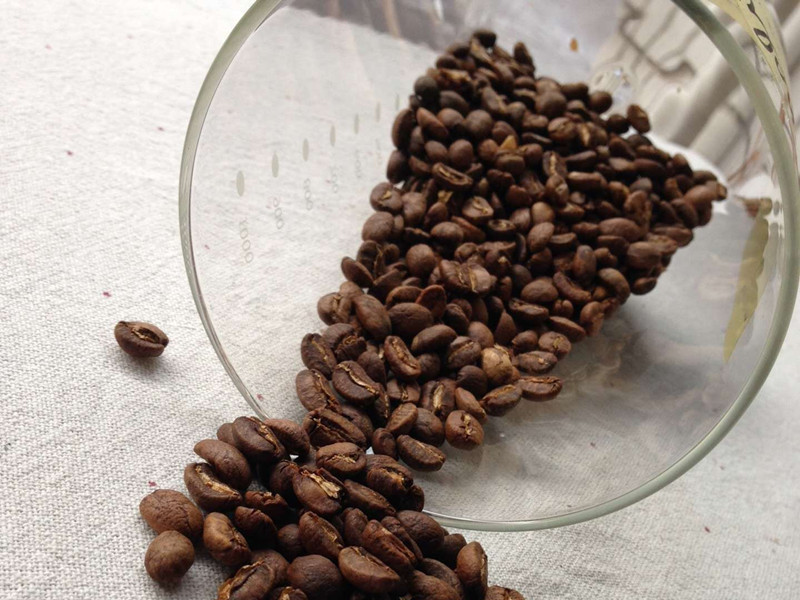
How to Tell If Your Coffee Beans Are Fresh
Use four simple checks—glossy surface, oily residue, degassing valve, and overnight CO₂ test—to confirm your beans were recently roasted.
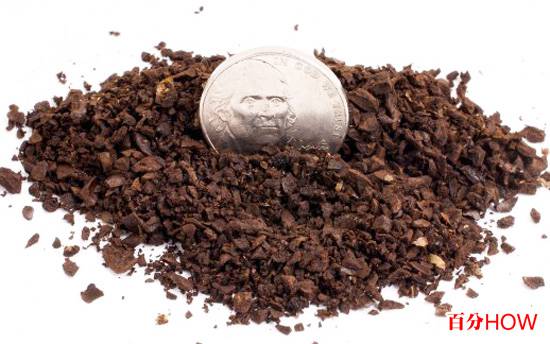
How to Identify 7 Different Coffee Grind Sizes
See 7 distinct coffee grind sizes with visual comparisons and brewing uses—from extra coarse for cold brew to extra fine for espresso.

How to Froth Milk Manually Without a Machine
Learn how to make steamed milk manually using a double-layer milk frother. Get the right temperature, milk type, and technique for latte art.

How to Grind Coffee Without a Grinder
No grinder? No problem. Learn 4 practical ways to turn whole coffee beans into brew-ready grounds using tools you already own.