
Coffee Technology
Latest articles, industry insights and brewing guides

How Baristas Build Rapport with Customers at the Coffee Bar
Learn how Italian-style coffee bars like Segafredo ZANETTI foster connection through casual, observant conversation and service at the bar.

7 Essential Tools Every Skilled Barista Should Carry
From milk pitchers to cleaning brushes, here are the seven indispensable tools every professional barista needs to perfect their craft.

How Coffee Beans Are Harvested and Processed: Natural vs Washed
Learn how coffee cherries are picked and processed—when harvest happens, why hand-picking matters, and the key steps in natural and washed methods.

Solo Coffee: Portable Brewers and Single-Serve Machines
Discover the best portable coffee makers and solo brewers for enjoying pour-over or espresso-style coffee on the go, with deals and product picks.

What’s the Best Water Temperature for Brewing Coffee?
The ideal coffee brewing temperature depends on freshness and method—typically 70–96°C, with fresher beans often brewed cooler.

Natural vs Washed Coffee Processing: How It Works
Learn how natural (dry) and washed (wet) processes shape coffee flavor, from drying on patios to fermenting in tanks.

How to Steam Milk for Specialty Coffee
Learn the key technique for steaming milk for lattes and cappuccinos: start with high steam pressure and keep milk between 66–71°C to avoid over-frothing.

How to Froth Milk for Coffee at Home: 3 Methods
Learn how to make proper milk foam at home using three common techniques, with key temps, angles, and tips for silky microfoam.

How to Froth Milk for Latte Art: The Key to Perfect Foam
Learn how to steam milk properly for latte art. Master foam texture, temperature, and technique for smooth, stable microfoam every time.

How to Froth Milk for Coffee: 6 Key Techniques
Learn how to steam milk perfectly for coffee with these six essential techniques, including milk type, pitcher fill level, and steam wand distance.
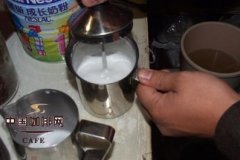
How to Froth Milk by Hand for Latte Art at Home
You can hand-froth milk with simple tools—just hot water, powdered milk, and a manual whisk—to make latte art at home.

What Is Wine Process Coffee? The Sasa Effect Explained
Explore the little-known wine process used on Colombian coffee beans, popularized by 2015 WBC competitor Sasa, and how it shapes unique cup profiles.
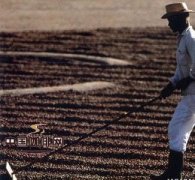
Natural Process: The Traditional Way to Dry Coffee Beans
Learn how dried or natural process coffee is made, why it’s still widely used, and what makes it unique compared to washed methods.

What’s in Coffee? Key Compounds and Processing Methods Explained
Explore the chemical makeup of coffee and how washing, drying, and roasting shape its flavor. Learn the impact of caffeine, tannins, fats, and more.

What Is Natural or Dry Process Coffee?
Dry processing, the oldest and cheapest method, dries coffee cherries in the sun for about four weeks until moisture drops to 12%.
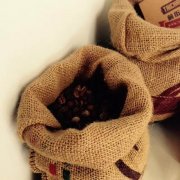
How the Dry Method Shapes Coffee Flavor
The dry or natural coffee processing method yields smoother acidity and mellow bitterness, used widely in Brazil, Ethiopia, and Yemen.

How Wet Processing Shapes Specialty Coffee Quality
Wet processing, or washed coffee, removes coffee cherry fruit immediately after harvest. This method improves quality and reduces defects but demands more labor and investment.
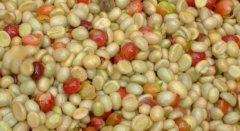
What Is Natural Coffee Processing?
Natural coffee processing, also called the dry method, dries whole coffee cherries in the sun before hulling. Here’s how it works.

How Coffee Beans Are Harvested and Processed: Natural vs Washed
Learn how coffee cherries are picked and processed—by hand or machine—and explore the two most common methods: natural (dry) and washed (wet) processing.
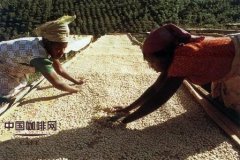
How Coffee Beans Are Dried After Processing
Learn how coffee beans are dried after washing—from sun drying to mechanical methods—to reach the ideal 11% moisture level.