
Coffee Technology
Latest articles, industry insights and brewing guides
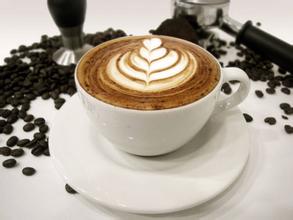
How to Make Coffee Latte Art: Step-by-Step Guide
Learn the basics of latte art, including how to steam milk, pour espresso, and create classic leaf patterns using microfoam.
How Colombian Wine Process Coffee Achieves Sweet, Clean Acidity
Learn how Colombia’s rare wine-process coffee achieves balanced sweetness, clean acidity, and complexity through controlled fermentation.
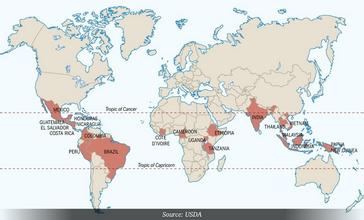
World Coffee Map: Key Origins and Geographic Names Explained
Explore the world’s top 53 coffee-growing regions, including detailed profiles of Costa Rica, Guatemala, Ethiopia, and more by geographic name.
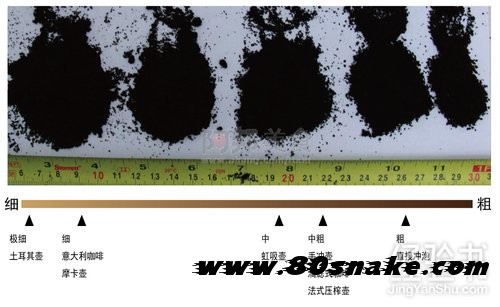
How to Grind Coffee Beans at Home Without a Grinder
Learn how to manually grind coffee beans using everyday tools like a pestle and mortar, hammer, or rolling pin—and choose the right grind size for your brew method.
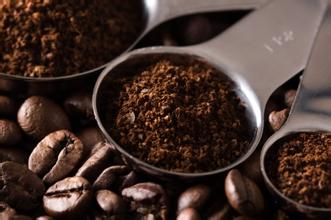
Choose the Right Grind Size for Every Brewing Method
Find the optimal grind size for your brewing device—from French press to espresso—based on practical recommendations from FrontStreet Coffee.

What Makes Jamaican Blue Mountain Coffee So Special?
Learn what sets Jamaica Blue Mountain coffee apart from regular coffee, including its unique flavor balance and limited production.
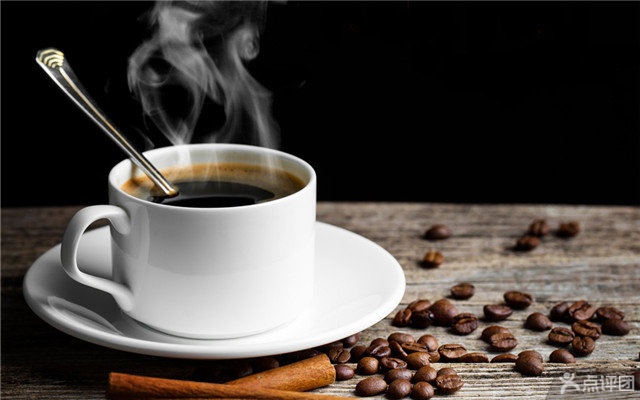
The Rise and Fall of American Coffee Culture
America once drank nearly 48 gallons of coffee per person annually. Learn why consumption dropped—and where the market is headed next.
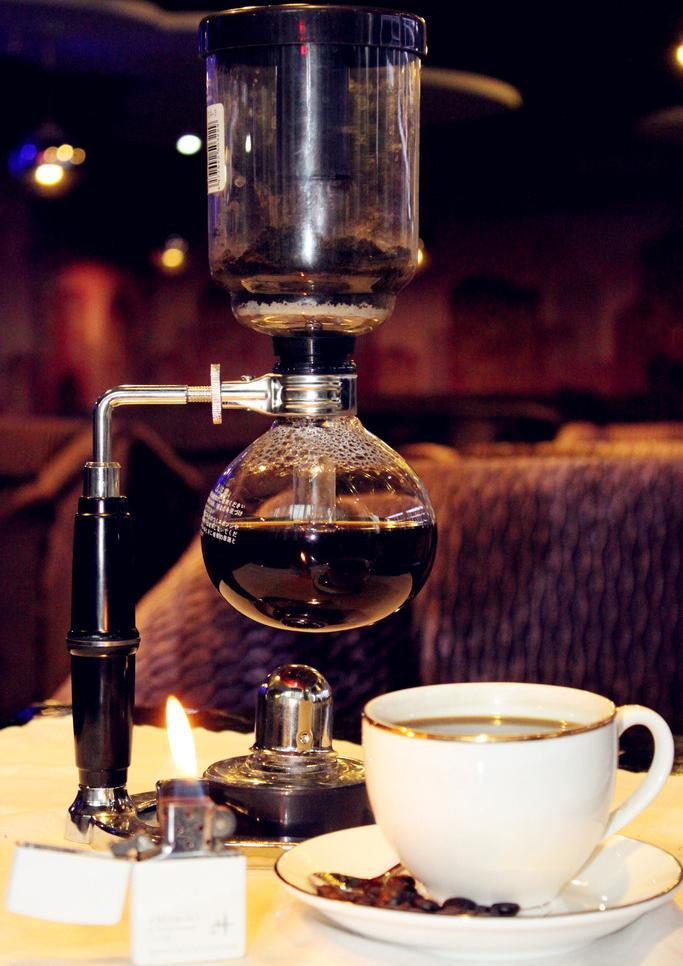
Why Does Pour-Over Coffee Drip Too Fast? How to Brew Better
Your pour-over drips too fast? Learn the real reasons, ideal water temps, grind sizes, and brewing methods to fix flow rate and improve flavor.
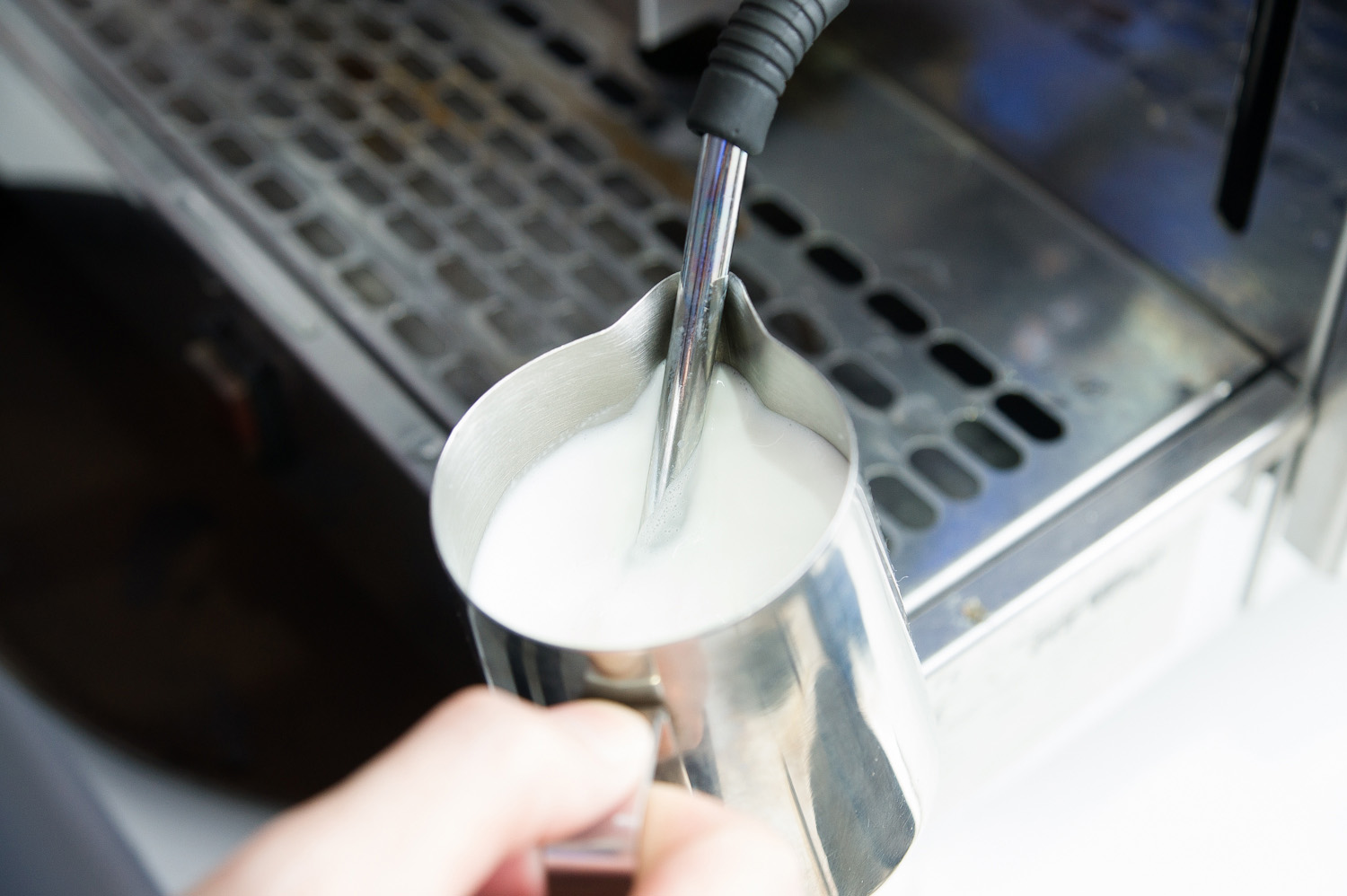
How to Make Dense Coffee Milk Foam at Home: 3 Methods
Learn the best way to steam dense, silky milk foam at home with three tested methods—each requiring whole milk over 3.7% fat.
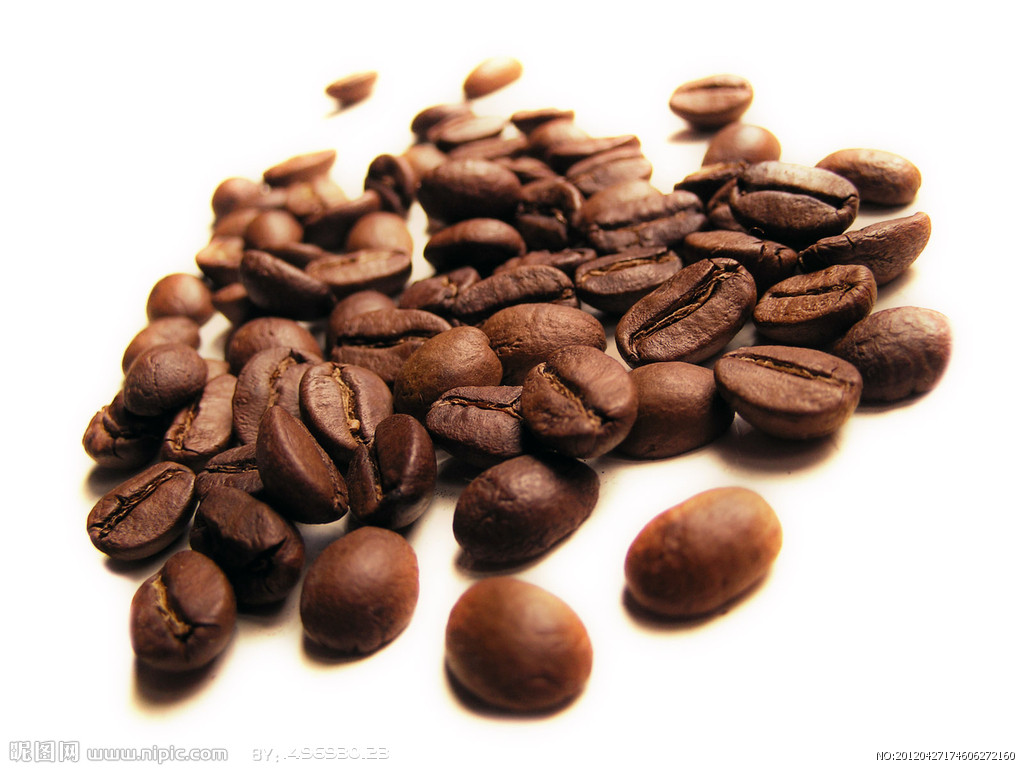
Coffee Bean Shapes: How to Spot Good and Bad Types
Learn how to identify high-quality and defective coffee beans by shape, including flat vs round beans, defects, and common processing types.
What Is Espresso and How Is It Different from Coffee?
Espresso is a concentrated coffee brewed under high pressure with dark-roasted beans. Here’s how it differs from regular coffee and popular milk drinks.
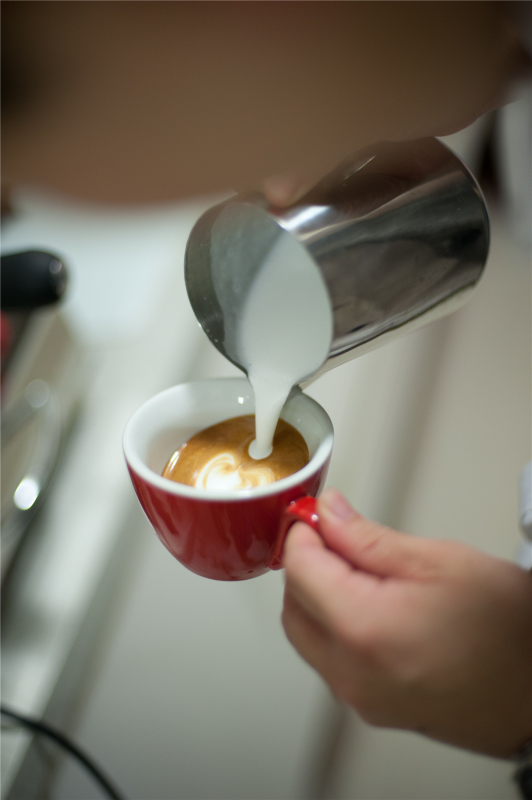
How to Make a Tulip Latte Art Pattern with Espresso
Learn how to pour a tulip latte art pattern by mastering espresso extraction, milk texture, and pouring technique in five key steps.
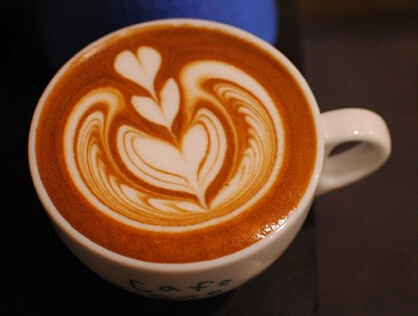
How to Pour a Tulip Latte Art Pattern
Learn how to pour a tulip latte art design with proper milk texture, including step-by-step instructions and hand temperature-checking tips.
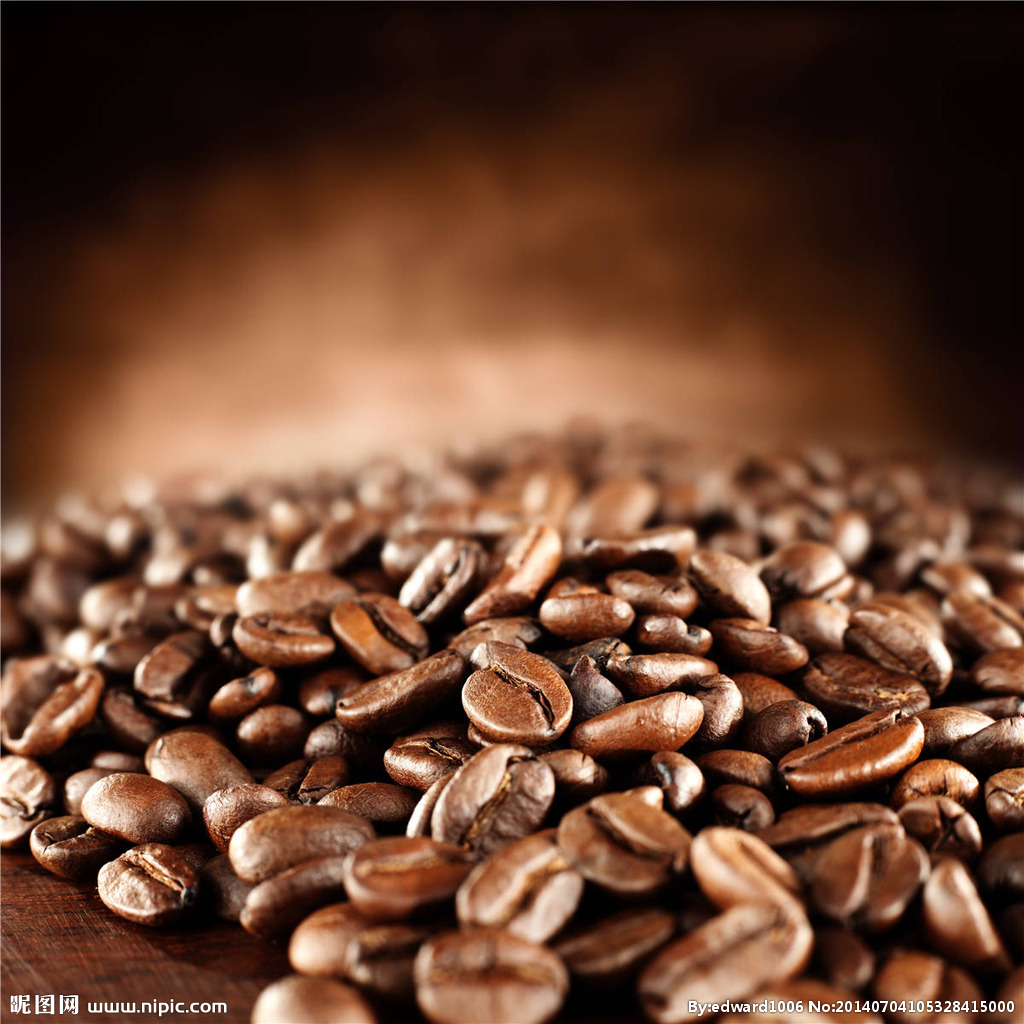
How to Tell If Your Coffee Beans Are Fresh and High Quality
Learn how to assess coffee bean freshness, color, aroma, and roast level to buy the best beans every time.
How Much Weight Do Coffee Beans Lose After Roasting?
Roasted coffee beans typically lose 15–20% of their weight due to moisture and other compounds evaporating during roasting.
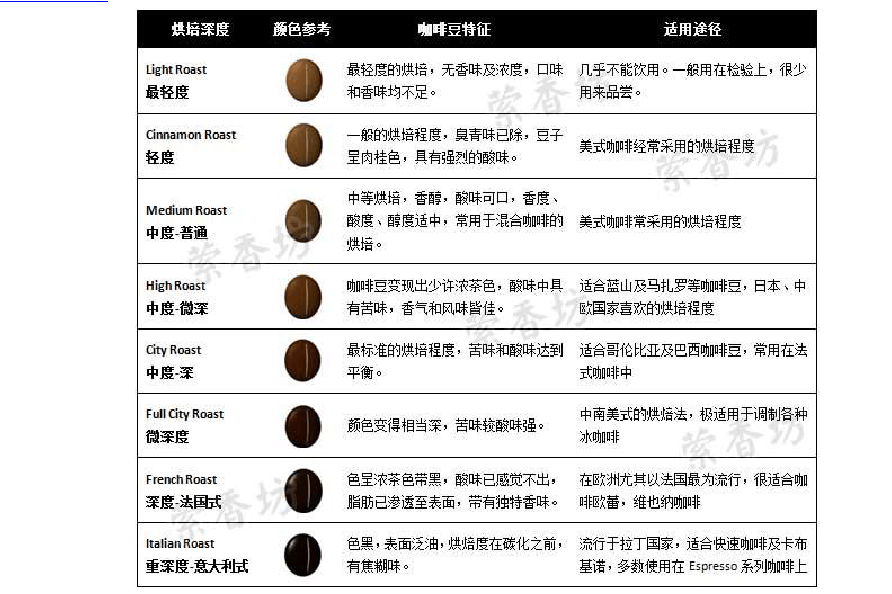
How Roast Level Affects Coffee Flavor Profiles
Learn how light, medium, and dark roasts shape your coffee’s acidity, sweetness, bitterness, and aroma — with specific roast traits and bean examples.
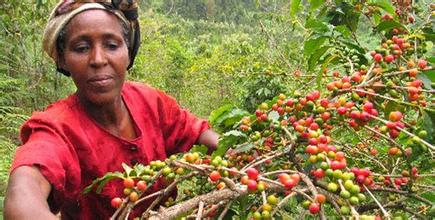
Hand-Picked vs Machine-Harvested Coffee: What’s the Difference?
Learn how coffee is harvested—by hand or machine—and why regional climates and farming methods determine the technique used for your beans.
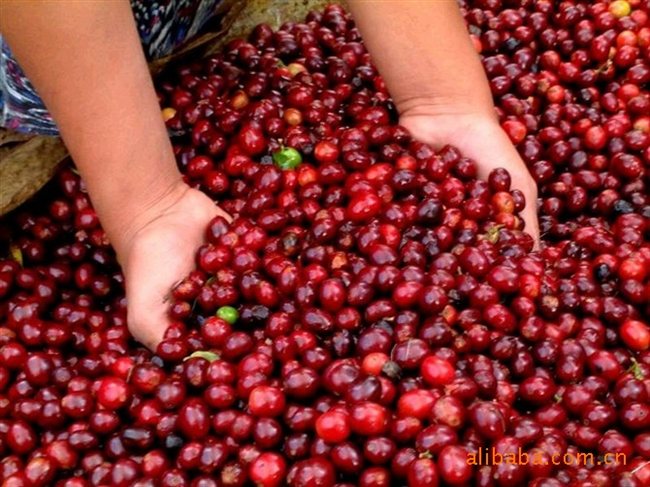
How Coffee Cherries Become Green Beans: The Processing Journey
From harvest to drying, discover how coffee cherries transform into green beans via natural, washed, and honey methods — and why yield matters.
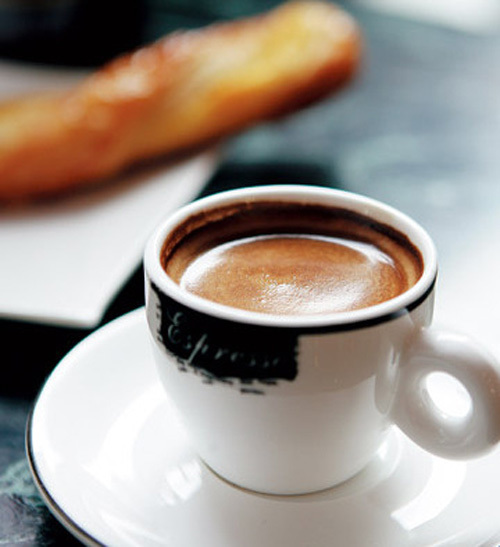
How to Avoid Coffee Tannins and Bitterness in Your Brew
Learn how grind size and brew time affect tannin extraction, and why over-extraction leads to bitter, astringent coffee.
How a Coffee Roaster Works: Key Parts & Functions Explained
A coffee roaster’s structure may look complex, but it’s built from just a few essential parts. Here’s how each component—from gas valve to cooling tray—affects your roast.