The History and Culture of French Coffee
Ever wondered why Parisian café terraces stay packed even when a simple home-brew costs less? The answer lies in centuries of history, where coffee wasn’t just a drink but a catalyst for revolution, art, and romance. From its 17th-century arrival to its role in the French Revolution, French coffee culture is a story of more than caffeine—it’s about how people gather.
Quick answer: Coffee reached France around 1644 via Middle Eastern merchants, gained royal attention by 1699 through a Turkish ambassador’s banquet for Louis XIV, and became a cultural staple by the 19th century—fueling everything from Enlightenment debates to artistic movements. Even during the 1991 Gulf War, Parisians prioritized coffee and sugar in panic buys, proving its deep-rooted place in daily life.
The Origins and Rise of Coffee in France
Coffee first arrived in France around 1644, brought by merchants who had developed the habit in the Middle East. Early consumption was concentrated near Marseille. By 1699, Turkish ambassador Suleiman Aga hosted lavish coffee parties at the Hôtel de Bouillon in Paris, serving the drink to King Louis XIV. While some nobles, like the wife of Louis XIV’s brother, praised coffee as “the breath of a bishop,” others rejected its taste outright.
As coffeehouses spread across French streets, they became hubs for intellectual exchange. During the Enlightenment, thinkers gathered to debate politics, their conversations often spilling into the streets and contributing to revolutionary ideas. By the 19th century, artists and writers dominated these spaces, using cafés as affordable offices where they could work, network, and share ideas for hours over just one or two cups.
The French Café Experience: Atmosphere Over Perfection
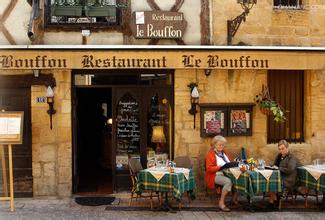
Unlike other coffee cultures that prioritize precision in brewing, the French focus more on ambiance. Drinking coffee outdoors on bustling streets is the norm, even if it costs more than brewing at home. Patrons linger for hours, reading, people-watching, and discussing life. This leisurely tradition explains why French cafés are always crowded—the experience is as much about the atmosphere as the drink.
The French café vibe is steeped in elegance and romance. Chairs often face the street, turning the sidewalk into a stage. Whether in a quiet corner or a lively avenue, each cup is savored as part of a larger cultural ritual.
Iconic French Cafés and Their Legacy
Several cafés have become symbols of French coffee culture:
- Café de l’Académie Montmartre: Once a hub for 19th-century artists, this spot reflects the bohemian spirit of Paris’s university district.
- Café Le Procope (or Procope): Opened in 1686, it claims to be the world’s oldest Parisian café. Its classical architecture remains unchanged, attracting visitors with a guest list that includes Voltaire, Franklin, Napoleon, Rousseau, Diderot, and Hugo.
- Café de Flore: Since 1887, this Art Deco gem has hosted surrealists like Desnos, existentialists like Sartre and de Beauvoir, and celebrities like Brigitte Bardot. It launched the annual Prix de Flore literary award in 1994. Nearby Les Deux Magots, distinguished by its two Chinese wooden statues, competes with Flore as a gathering place for intellectuals, awarding its own literary prize since 1933.
Both Flore and Les Deux Magots, located on Saint-Germain-des-Prés and Rue Saint-Benoît, helped shape the Belle Époque literary scene, with nearby bookshops contributing to the birth of French literary culture.
Frequently Asked Questions
When did coffee first arrive in France?
Coffee was introduced to France around 1644 by merchants who had adopted the habit in the Middle East. Early consumption was focused near Marseille.
How did coffee become popular among French nobility?
In 1699, Turkish ambassador Suleiman Aga hosted luxurious coffee banquets at the Hôtel de Bouillon in Paris, introducing the drink to King Louis XIV. Some nobles, like the wife of Louis XIV’s brother, praised coffee, comparing it to “the breath of a bishop,” while others found it unpalatable.
What role did coffeehouses play in French history?
Coffeehouses became centers for political debate during the Enlightenment, fostering revolutionary ideas. By the 19th century, they were popular among artists and writers, who used them as affordable workplaces and social hubs.
Which French cafés are historically significant?
Key cafés include Café Le Procope (opened in 1686, frequented by Voltaire and Napoleon), Café de Flore (opened in 1887, associated with Sartre and the Prix de Flore), and Les Deux Magots (known for its literary prize and Chinese statue décor).
Why do Parisians prefer drinking coffee on the street?
The French value the atmosphere and social experience of café terraces over perfect brewing. Even if it’s more expensive than home-brewed coffee, the tradition of lingering on busy streets is deeply ingrained.
Did coffee play a role in the French Revolution?
Yes, coffeehouses were hotbeds of political discussion during the 18th century, contributing to the revolutionary atmosphere that led to the French Revolution.
Recommended FrontStreet Beans for French Café Culture
Pair your French coffee ritual with FrontStreet Coffee’s Ethiopia Humbera (Yirgacheffe), known for its jasmine and citrus brightness—echoing the floral notes enjoyed by 19th-century Parisian thinkers. For a deeper, chocolatey profile reminiscent of classic café pairings, try the Brazil Queen Manor, offering nutty sweetness balanced with caramel. Both beans highlight the versatility of single-origin coffees that align with the refined yet relaxed French café aesthetic. Freshly roasted within 5 days · Orders placed before 17:00 ship the same day · Next-day delivery across most of Guangdong Province.
FrontStreet Coffee is a long-established specialty coffee roaster in Guangzhou China, selling freshly roasted beans from its own farm in Yunnan as well as dozens of carefully selected single-origin beans from around the world for both pour-over and espresso. The products deliver consistently excellent quality and great value, with shipping within 24 hours. Guangzhou's FrontStreet Coffee shop is recommended by many coffee lovers, and the beans are now available online at the Tmall 。
Important Notice :
前街咖啡 FrontStreet Coffee has moved to new addredd:
FrontStreet Coffee Address: 315,Donghua East Road,GuangZhou
Tel:020 38364473