
Coffee Technology
Latest articles, industry insights and brewing guides
Bezzera B6000 DE: Quality Principles Behind This High-End Espresso Machine
Discover the Bezzera B6000 DE’s design philosophy, materials, and technical specs that define its professional-grade performance and reliability.
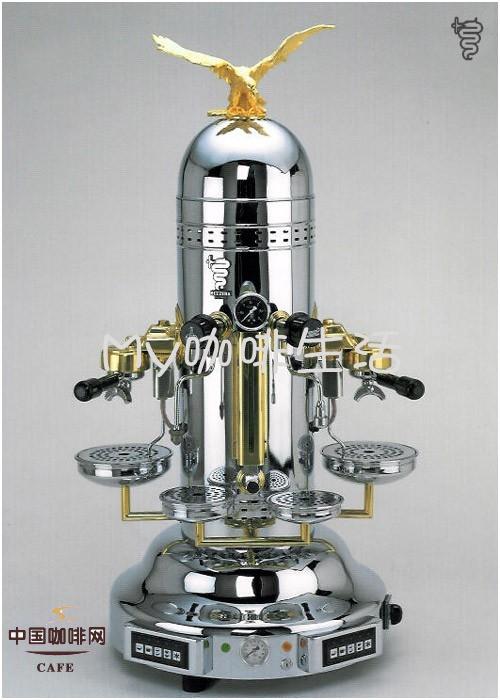
The World’s Most Expensive Espresso Machine: Bezzera
Discover why the 1901 Bezzera espresso machine is considered the Rolls-Royce of espresso makers, its history, and why it remains iconic.
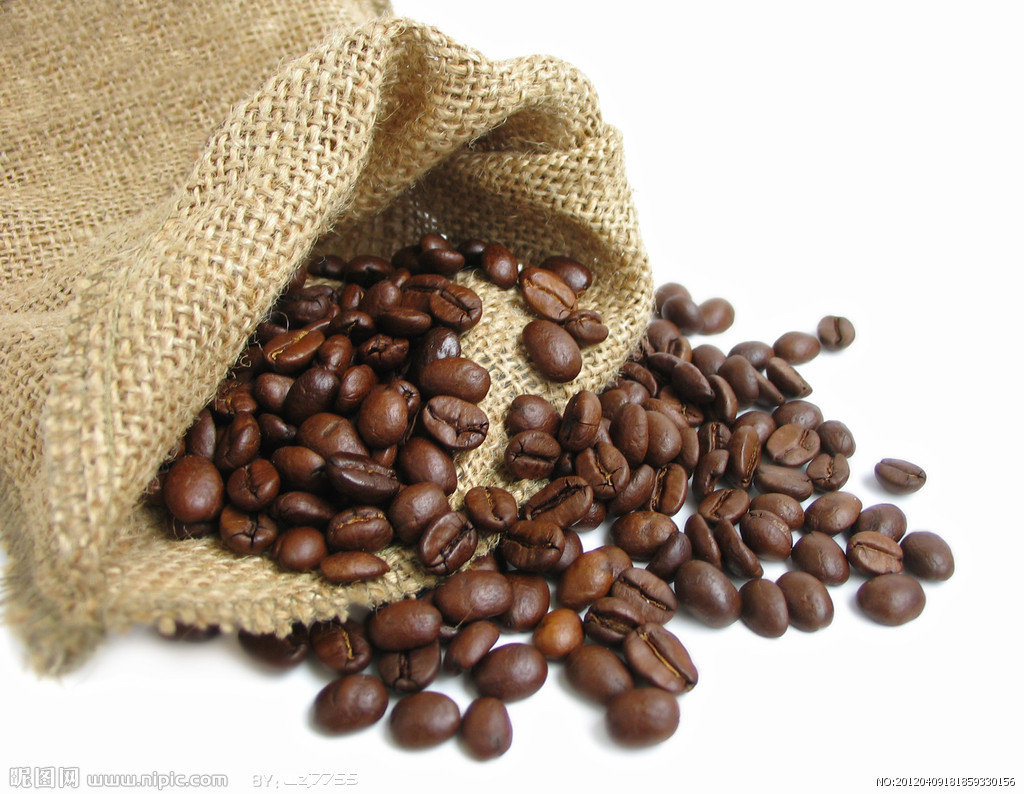
What Do Coffee Bean Grades G1 to G5 Actually Mean?
Learn what coffee grades G1 to G5 signify, how they differ between washed and natural processes, and why Grade 1 is so rare.
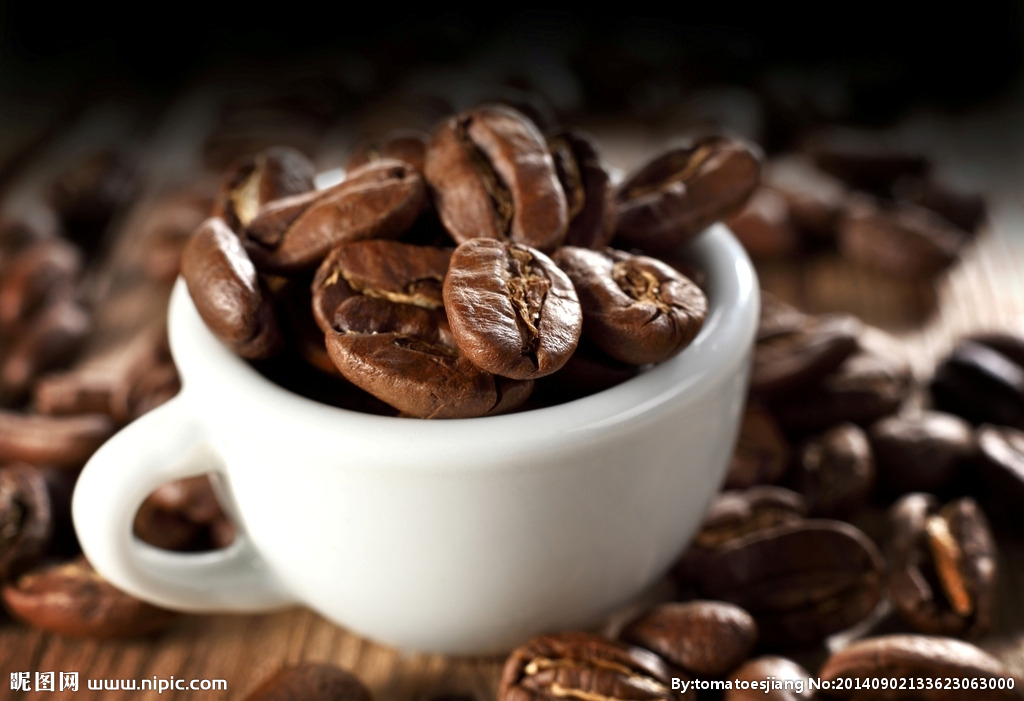
Common Coffee Terms Explained for Specialty Coffee Drinkers
Learn key coffee vocabulary including roast levels, processing methods, and industry terms like Agtron, COE, and more.
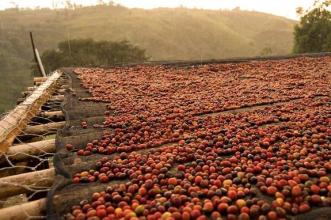
Natural Coffee Processing: How Sun-Drying Works
Learn how sun-dried (natural) coffee is processed, how it differs from washed coffee, and why it produces sweeter, fruitier beans.
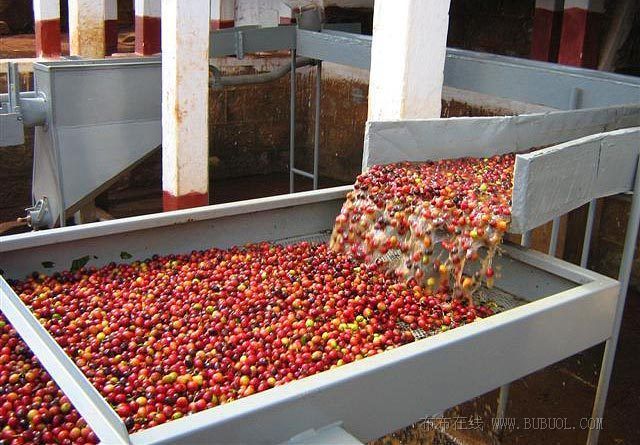
Washed vs Natural Coffee Processing: Key Differences Explained
Learn how washed coffee processing enhances clarity and acidity, and how it differs from the natural sun-dried method in flavor and technique.

How to Taste and Describe Specialty Coffee Flavors
Learn the key coffee flavor terms like acidity, body, and sweetness to better evaluate and articulate your coffee experience.
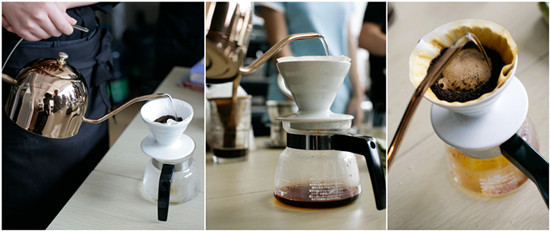
Best Water Temperature for Pour-Over Coffee Brewing
Find the ideal water temperature range for balanced pour-over coffee, and how roast level and freshness affect your brew.
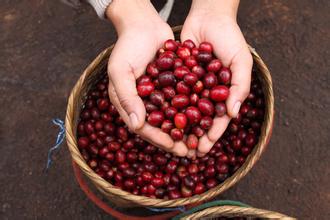
How to Identify and Grade Specialty Coffee Beans
Learn how to identify coffee beans by origin, grade, and appearance, and understand the global standards used to classify specialty coffee.
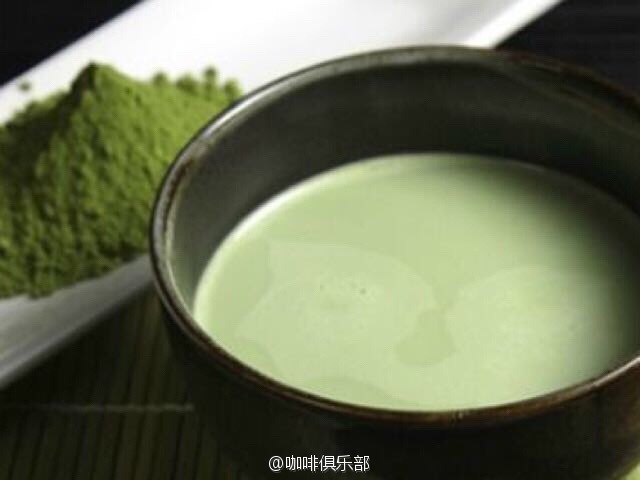
How to Tell Real Matcha from Fake in Food Products
Learn four key ways to distinguish real matcha from green tea powder in desserts and drinks, including color, taste, aroma, and texture.

What Is Mocha Coffee? Origin, Flavors & Misconceptions
Mocha coffee originally refers to Yemen-grown beans, not just chocolate-flavored drinks. Learn its true history, flavor profile, and common mix-ups.
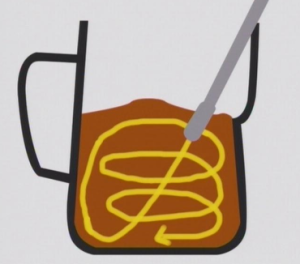
How to Steam Milk for Latte Art & Espresso Drinks
Learn the key steps to steaming milk for perfect microfoam—temperature, fat content, steam pressure, pitcher shape, and techniques for smooth latte art.
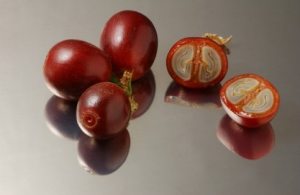
How Coffee Beans Are Processed After Harvest: 3 Main Methods
Learn the three main ways coffee beans are processed after harvest—natural, washed, and honey—and how each affects flavor and quality.

What Espresso Crema Really Is — And Why It Changes Color
Espresso crema isn’t just oil foam — it’s a mix of CO₂ bubbles, proteins, and melanoidins. Here’s what really affects its color and stability.
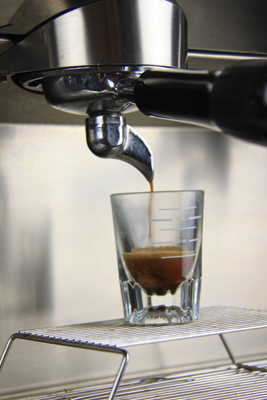
How to Judge Espresso Crema Color and Thickness
Learn how espresso crema color and thickness indicate extraction quality, freshness, and brewing variables like dose, pressure, and temperature.

How Coffee Roasting Transforms Flavor and Color
Learn how coffee roasting stages—dehydration, first crack, and cooling—affect color, aroma, and taste, plus common roaster types.

Coffee Latte Art: Origins and Techniques Explained
Learn the history, evolution, and essential techniques behind latte art, from classic patterns to texture-focused milk pouring.
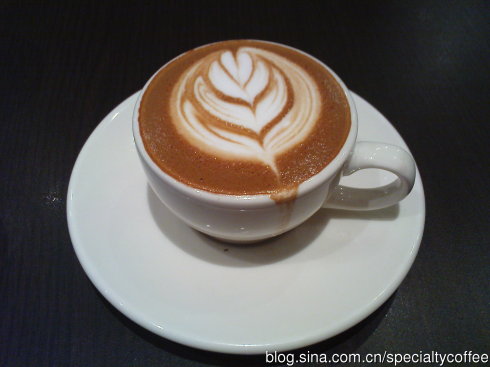
How to Steam Milk and Pour Latte Art Step by Step
Learn how to steam milk properly and pour latte art with clear steps, including ideal crema, milk texture, and pouring technique.
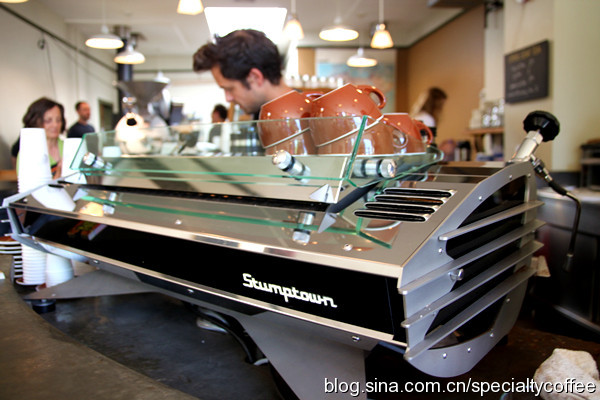
How Stumptown Coffee Became a Third Wave Leader
Founded in 1999, Stumptown Coffee pioneered third-wave values with direct trade, premium roasting, and retail innovation in Portland and beyond.
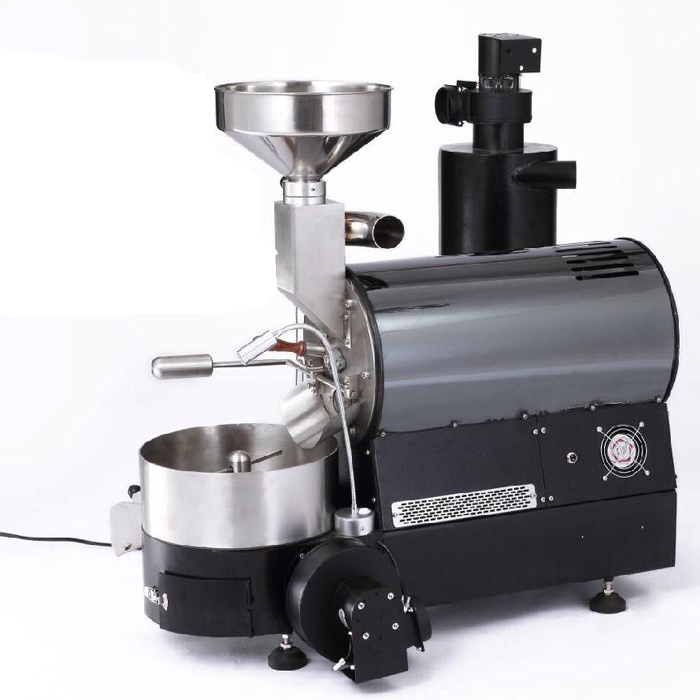
How Coffee Roaster Afterburners Reduce VOC Emissions
Learn how a roaster’s afterburner works, why it burns off VOCs at 500°C, and how much extra gas it uses during coffee roasting.