
Coffee Technology
Latest articles, industry insights and brewing guides
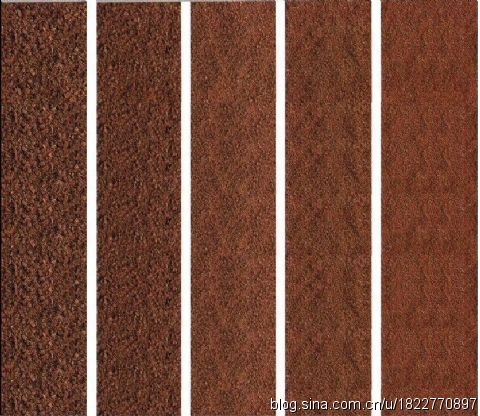
How to Adjust Electric Grinder Settings for Better Coffee Extraction
Learn how grind size consistency, fine particle levels, heat, and static affect coffee flavor—and how to dial in your electric grinder for cleaner, more balanced extractions.
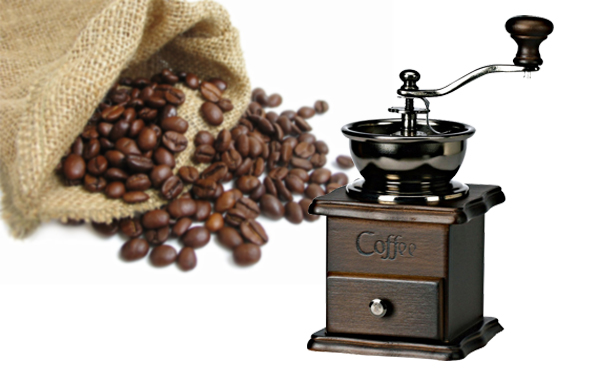
How to Adjust Hand Grinder Grind Size and Why It Matters
Learn how to adjust a hand grinder’s grind size with no markings, why speed affects extraction, and how it differs from electric grinders.
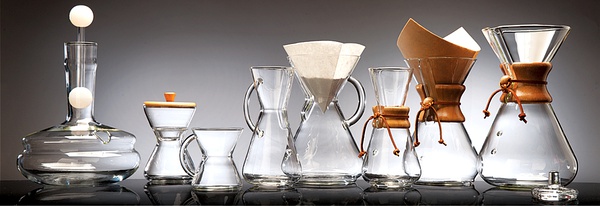
CHEMEX Sizes, Filter Types & Folding Guide for Pour-Over Coffee
Learn how to fold CHEMEX filters for 1–13 cup sizes, including semi-circle, square, and circle types. Covers all common CHEMEX models and correct usage.
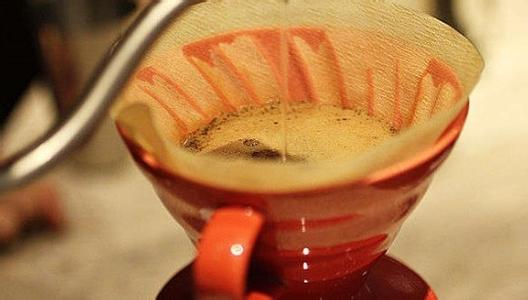
How to Fold Pour-Over Coffee Filter Paper – Step-by-Step Guide
Learn the best ways to fold your pour-over filter paper for cleaner coffee and better extraction. Four common folds explained with visuals.
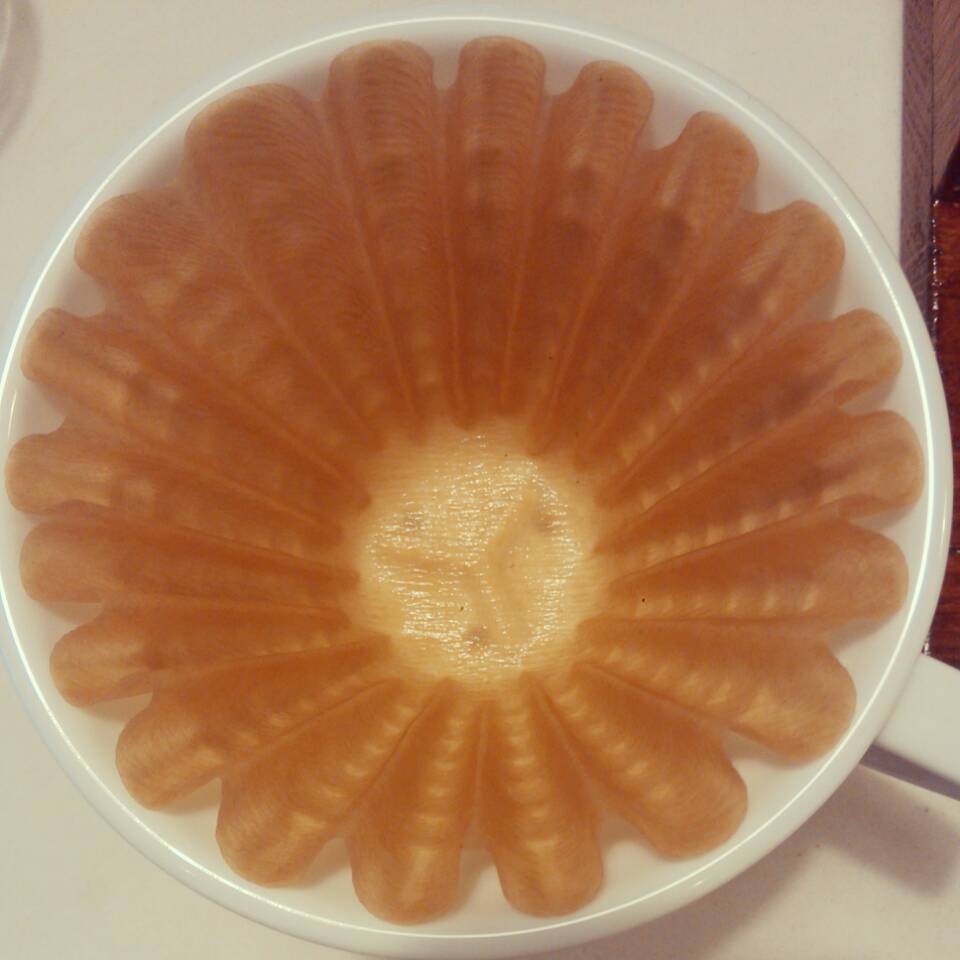
Pour-Over Coffee Filter Paper: Good vs Bad Quality
Learn how filter paper texture, scent, and structure affect pour-over brew flow and extraction, and spot the difference between high- and low-quality options.
What Kind of Water Makes the Best Cup of Coffee?
The right water matters more than you think—find out which TDS, pH, and mineral levels produce the best-tasting home-brewed coffee.
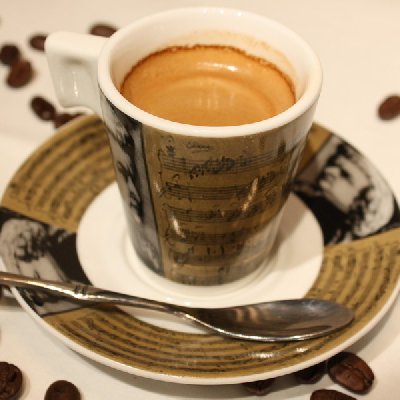
How to Taste Coffee and Judge Extraction Quality
Learn how to identify under- and over-extracted coffee by taste, and what flavors reveal about your brew’s extraction level.
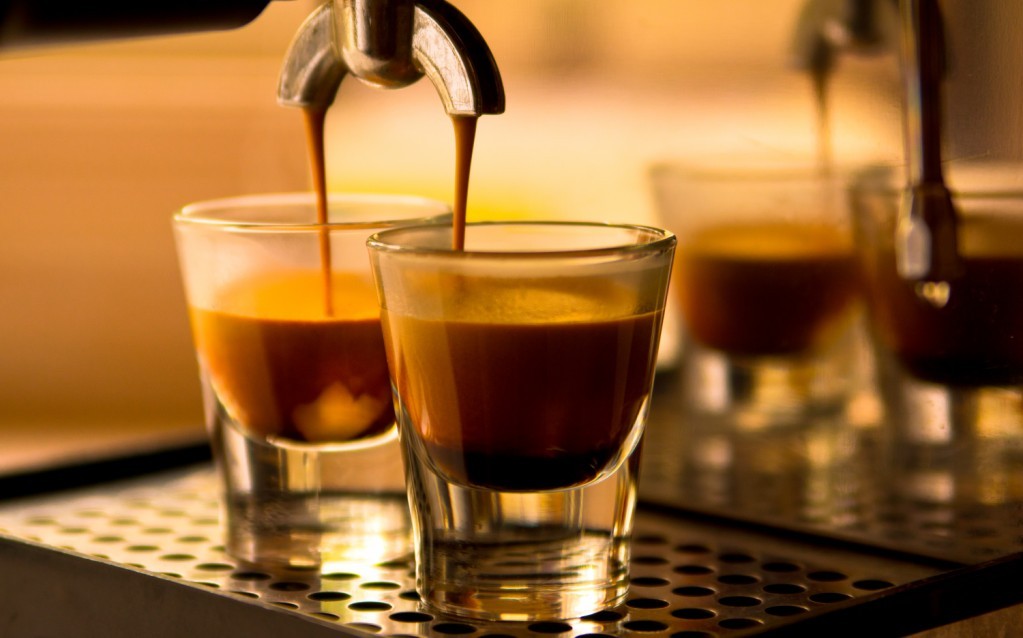
How to Control Crema and Judge Coffee Freshness in Espresso
Learn how to produce more espresso crema, assess coffee freshness, and improve your espresso extraction based on crema appearance.
How Grind Size and Brew Time Shape Your Coffee Extraction
Learn how grind size and brew time affect coffee extraction, and why finding the right balance is key to balanced flavor.
4 Key Standards for Judging Quality Milk Foam in Latte Art
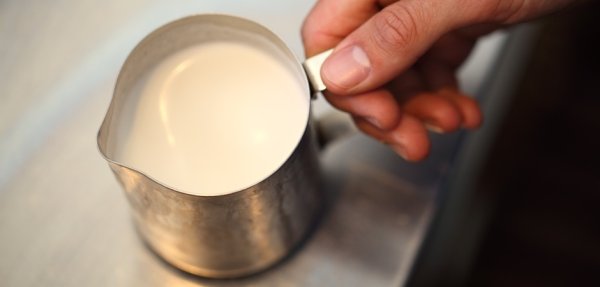
Learn the four technical standards that define good milk foam: fine texture, no large bubbles, ideal temperature, and minimal waste.
How Coffee Beans Develop: From Flower to Harvest
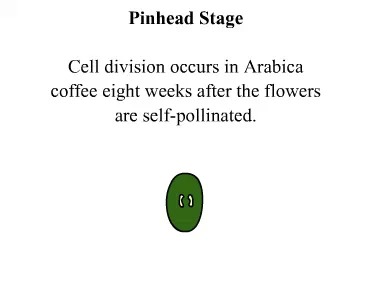
Learn the 8–9 month journey of coffee cherries, from flowering to ripened beans. See how size, moisture, and energy use shape your cup.
How to Store Roasted Coffee Beans for Best Flavor
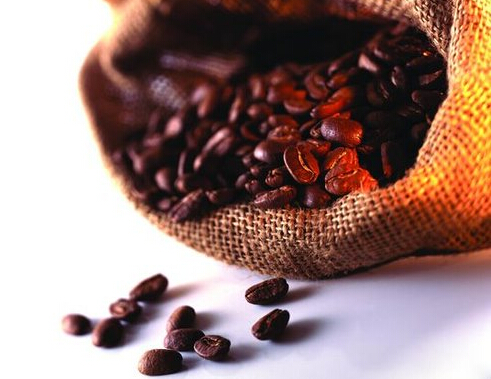
Learn which coffee storage methods preserve freshness and flavor best—from non-airtight to pressurized packaging—for home and cafe use.

How Long Do Dark Roast Coffee Beans Stay Fresh?
Dark roasted coffee remains fresh for about 2 weeks after roasting. Store in an airtight container away from light, heat, and moisture.

Light, Medium, and Dark Roast Coffee: What’s the Difference?
Learn how roast levels affect coffee flavor, aroma, and health compounds. This guide breaks down light, medium, and dark roast differences with key temperatures and weight loss data.
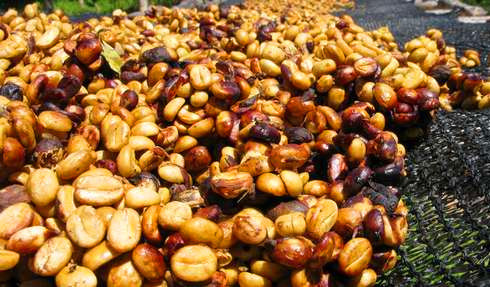
What Is Honey Process Coffee and How Is It Made?
Honey process coffee is a hybrid method between washed and natural, offering sweetness and complexity. Learn how it’s done and why it’s popular.
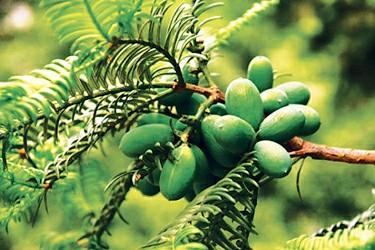
Where and How Coffee Trees Grow Best
Learn the ideal climate, altitude, and soil conditions for growing coffee trees, plus key facts on Arabica vs Robusta species.
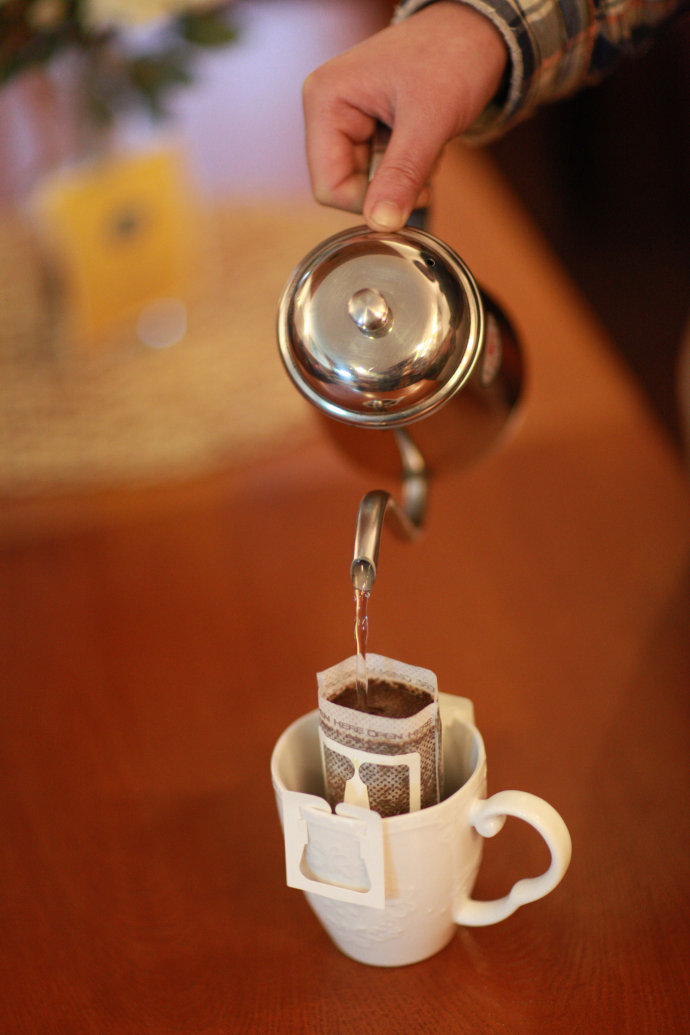
What Is Drip Bag Coffee? Key Differences From Instant Coffee
Drip bag coffee uses 100% freshly ground beans, unlike instant coffee. Learn how it works, why it’s better, and how to brew it properly.
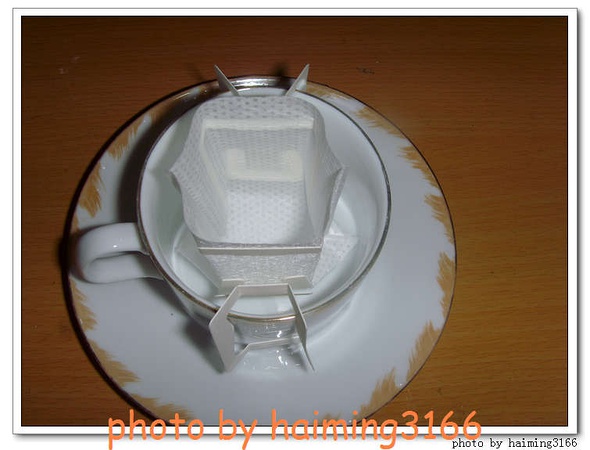
How to Brew Drip Coffee Bags for Best Flavor and Crema
Learn how to brew a flavorful cup from drip coffee bags, including optimal water temp, bloom time, and what happens to coffee oils after brewing.
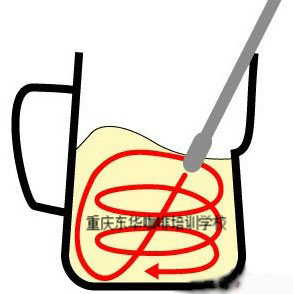
How to Steam Milk with a Coffee Machine: Beginner's Guide
Learn how to steam milk properly with your coffee machine—choosing the right milk, setting the right depth, and hitting the ideal temperature.
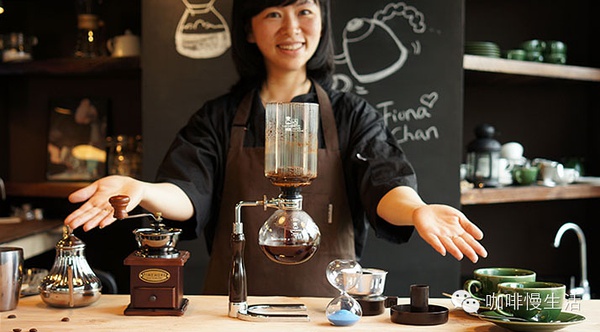
How to Brew Coffee with a Siphon (Vacuum) Pot Step-by-Step
Learn how to use a siphon coffee maker with clear steps, from setup to brewing. Ideal for 1:10–1:15 brew ratios and 86–94°C water.