
Coffee Technology
Latest articles, industry insights and brewing guides
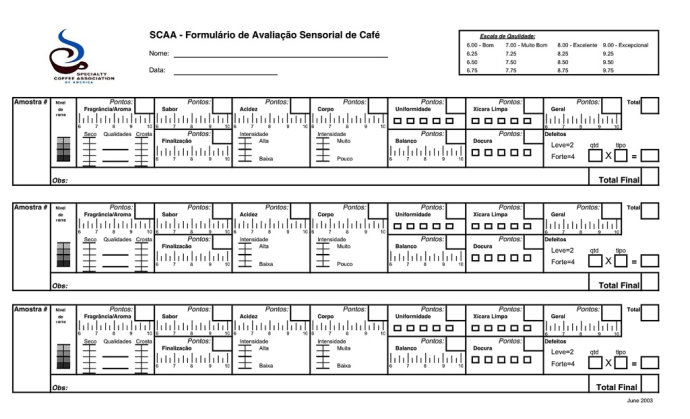
How SCAA’s Coffee Cupping System Evaluates Specialty Coffee
Discover the SCAA’s standardized cupping protocol: grind size, ratios, temperatures, scoring, and how pros assess coffee quality.
How to Drink and Make Espresso – And How It Differs from Americano
Learn what makes espresso unique, why it tastes bitter, how much caffeine it really has, and how it compares to Americano. Practical tips included.
What Makes a Good or Bad Cup of Coffee?
Learn the real difference between good and bad coffee, how to judge quality, and what ruins a cup—beyond just taste preferences.
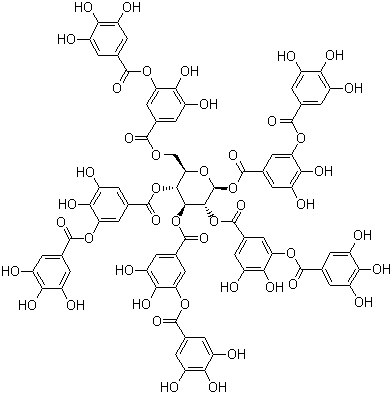
What Causes Coffee Astringency? The Role of Tannins
Coffee astringency is largely caused by tannins—naturally occurring polyphenols in coffee. Learn how much is in your beans and how to avoid over-extraction.
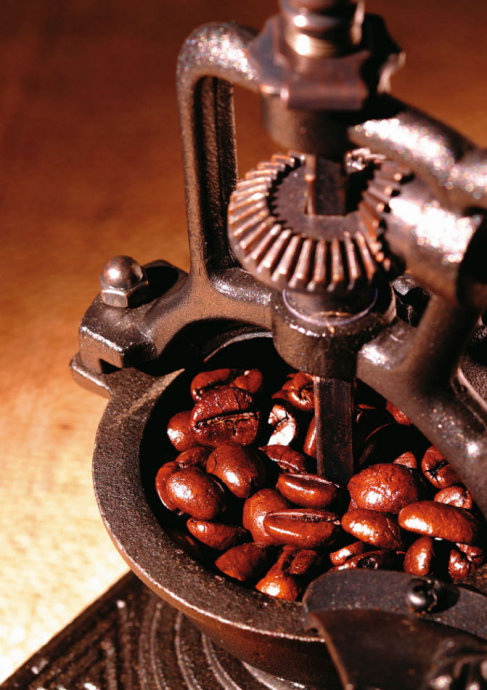
Finding the Right Grind Size for Handbrew Coffee
Learn how grind size affects extraction and flavor—whether you're brewing with a V60, Chemex, or moka pot. Grind too fine or too coarse, and your cup suffers.
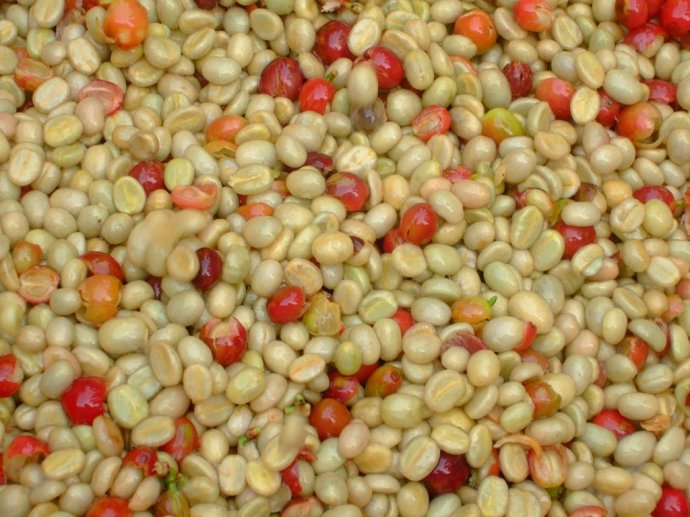
What Is Semi-Washed Coffee Processing?
Semi-washed, or pulped natural, combines washed and natural methods. It removes all fruit flesh mechanically, then sun-dries—offering stability without fermentation.
The Three Waves of Coffee Explained
Learn how coffee evolved through three global movements—from instant to espresso bars to specialty pour-over—and what each wave means for your cup today.
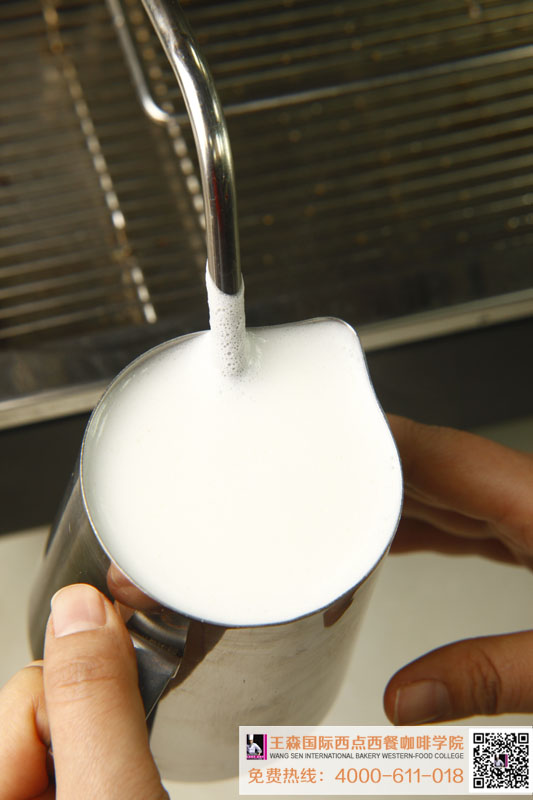
How to Steam Milk for Latte Art and Cappuccino
Learn how to steam milk like a pro to get smooth microfoam for perfect latte art, from ideal temperatures to avoiding big bubbles.
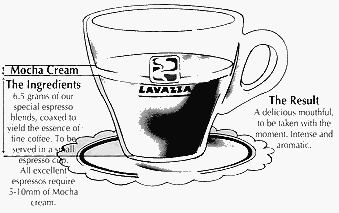
How Thick Should Cappuccino Milk Foam Be?
Traditional cappuccinos use a 1:1:1 ratio of espresso, steamed milk, and foam. Dry styles have thicker foam, wet styles more milk.
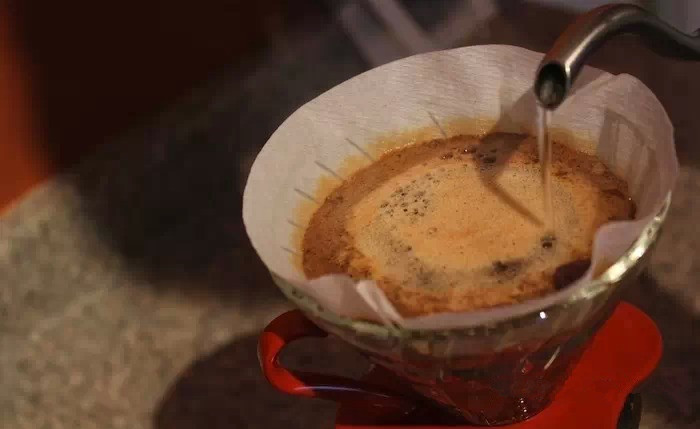
8 Hario V60 Pour-Over Methods: Techniques & Ratings
Explore 8 tested Hario V60 pour-over methods with grind sizes, temperatures, timings, and scores from 6 to 10 for different flavor goals.
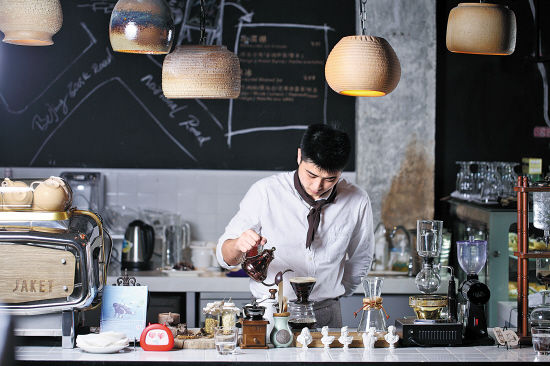
Best Pour-Over Coffee Gear for Beginners & Home Brewers
Compare moka pots, French presses, and pour-over drippers to find the best coffee brewer for your home setup. Detailed pros, cons and tips.

How to Brew SCAA-Standard Pour-Over Coffee Step-by-Step
Follow the Specialty Coffee Association of America’s pour-over method with exact ratios, grind, water temp, and a classic filter setup.
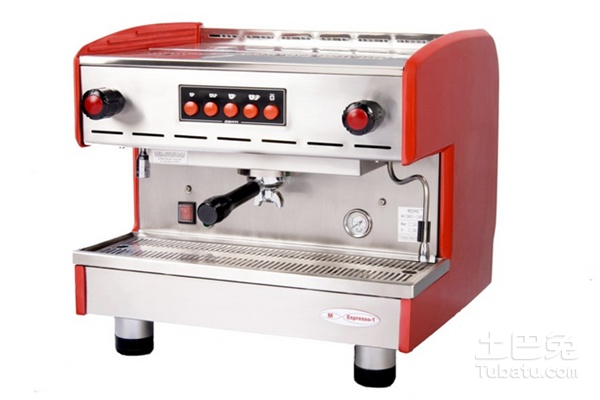
How to Use a Semi-Automatic Espresso Machine Correctly
Learn how to prep and operate a semi-auto espresso machine for optimal results, including grind, dose, tamping, and 25–30s extraction.
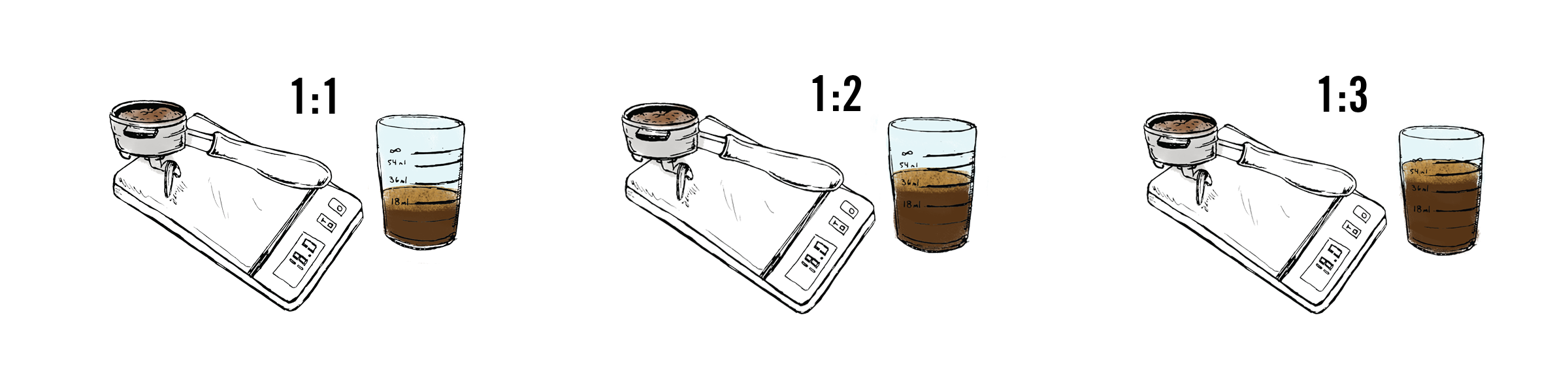
How Brew Ratio Changes Espresso Flavor
Different espresso brew ratios—from ristretto to lungo—affect taste, body, and clarity. Learn how water-to-coffee ratios shape your shot.
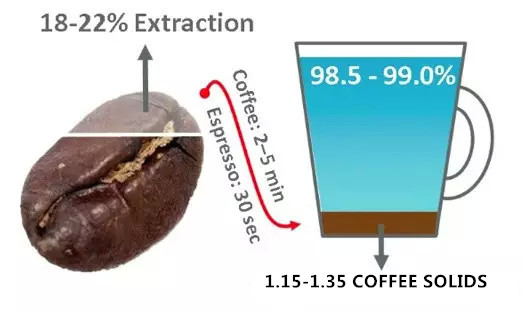
Understanding the Golden Cup Standard in Coffee Brewing
Learn the science behind the Golden Cup standard for coffee: ideal extraction rates, concentrations, and how to adjust your brew.
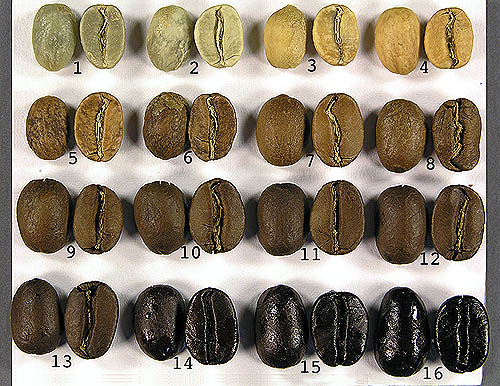
How Coffee Roast Level Affects Your Stomach
Research shows dark roasted coffee causes less stomach irritation due to higher levels of NMP, a compound that suppresses acid production.
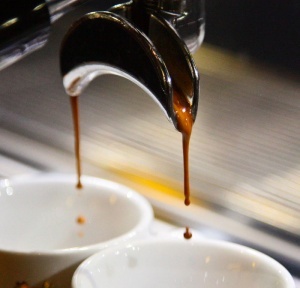
How to Make and Taste Better Espresso
Learn how to improve your espresso shots with better puck prep, visual cues, and flavor balance. Key details for baristas and home brewers.
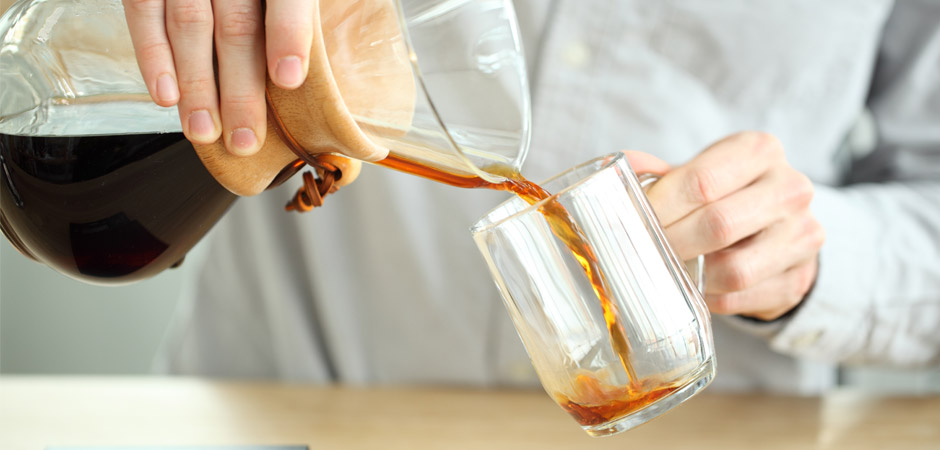
What Makes Specialty Coffee Different from Commercial Coffee
Learn why specialty coffee scores 80+ points, how it differs from commercial beans, and why origin and roast matter more than you think.
How Colombian Coffee Beans Are Graded and Classified
Learn how Colombian coffee beans are graded by size, defects, region, and quality — including commercial and specialty classifications.
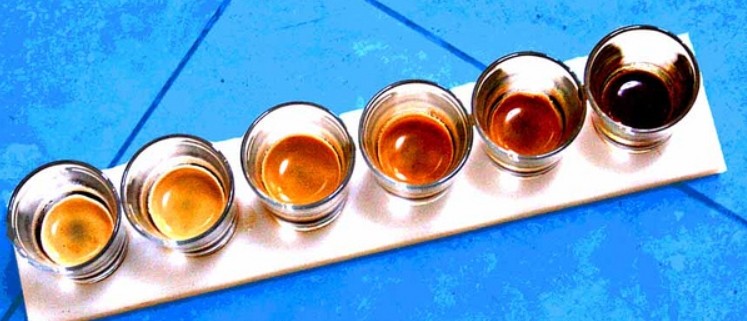
Espresso Crema: Flavor, Beans, and Caffeine Facts
Removing espresso crema makes coffee taste sweeter, but traditionalists say it’s essential. Here’s why crema matters, what affects it, and how to get it right.