
Coffee Technology
Latest articles, industry insights and brewing guides

Washed, Honey, and Natural: How Coffee Processing Shapes Flavor
Learn how washed, honey (semi-washed), and natural (dry) processing methods affect coffee flavor, acidity, and sweetness. Key differences explained.
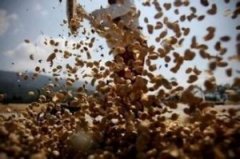
What Is Semi-Washed Coffee Processing?
Semi-washed coffee processing, also called pulped natural, removes the skin but leaves mucilage. Dried on patios, it blends washed and natural traits.
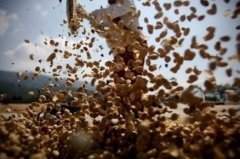
What Is Semi-Washed Coffee Processing?
Semi-washed coffee combines elements of washed and natural methods. Learn how it reduces water use while enhancing sweetness and body.
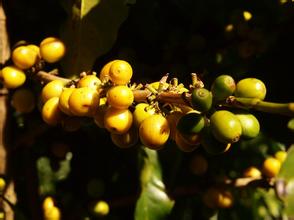
Can You Grow Coffee Trees at Home? What You Need to Know
Growing coffee at home is tricky. Here’s what climate, altitude, and conditions really require — and why most backyards won’t work.
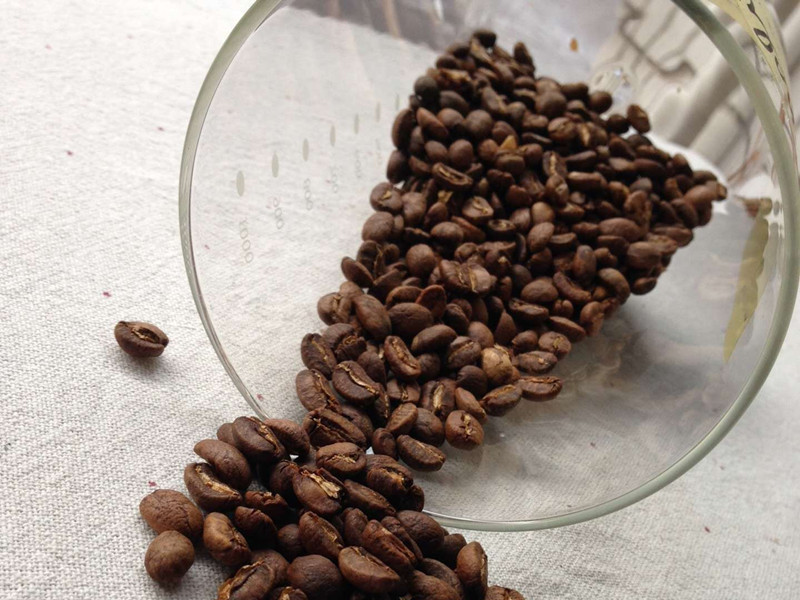
How to Tell If Your Coffee Beans Are Fresh
Use four simple checks—glossy surface, oily residue, degassing valve, and overnight CO₂ test—to confirm your beans were recently roasted.
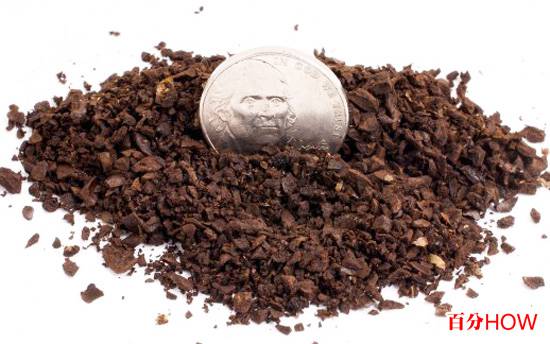
How to Identify 7 Different Coffee Grind Sizes
See 7 distinct coffee grind sizes with visual comparisons and brewing uses—from extra coarse for cold brew to extra fine for espresso.
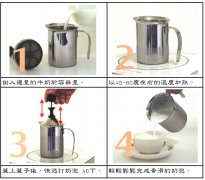
How to Froth Milk Manually Without a Machine
Learn how to make steamed milk manually using a double-layer milk frother. Get the right temperature, milk type, and technique for latte art.

How to Grind Coffee Without a Grinder
No grinder? No problem. Learn 4 practical ways to turn whole coffee beans into brew-ready grounds using tools you already own.

How Coffee Beans Are Processed: 4 Key Methods Explained
Explore the four main coffee processing methods—natural, washed, honey, and semi-washed—and how each affects flavor, quality, and water use.

How Steam Wand Design Affects Milk Foam Quality
Learn how external-expansion and concentrated steam wand designs impact milk frothing technique, angle, and foam texture in latte art.

How to Make Coffee Milk Foam at Home: 3 Proven Methods
Learn how to make rich, velvety coffee milk foam at home using three common methods, all requiring whole milk with over 3.7% fat.

How to Steam Milk for Latte Art: 6 Key Factors
Learn how milk temperature, fat content, steam pressure, and pitcher shape affect your milk foam for better latte art and espresso drinks.

Everything You Should Know About Coffee Cups
Discover the materials, sizes, colors, and etiquette of coffee cups that enhance your brewing and tasting experience.

Best Milk for Steaming Milk Foam for Coffee
Find out which milk makes the best milk foam for coffee, why fat content matters, and which brands baristas actually use.
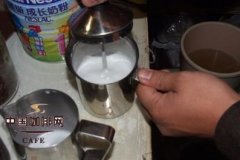
How to Froth Milk by Hand for Latte Art at Home
Learn how to create café-quality hand-frothed milk with simple tools—just hot water, powdered milk, and 30 strokes—for latte art at home.
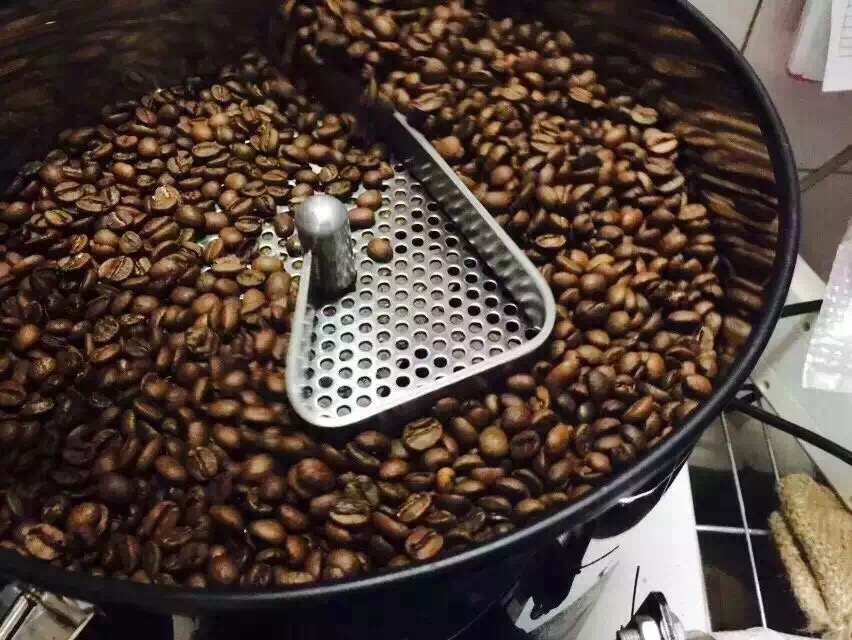
What Are Coffee Blends Made Of?
Blending coffee balances flavor complexity. Most blends mix 3–7 beans, often roasted separately. Learn why and how pros craft them.

3D Latte Art by Kazuki Yamamoto
Discover how master barista Kazuki Yamamoto creates stunning 3D latte art, including a lifelike giraffe design that amazed coffee fans.

Two Women Ditched High-Paying Jobs to Open a Coffee Shop in Hainan
Two former professionals left stable, high-salary careers to pursue their shared dream: opening a cozy coffee shop in Haikou, Hainan.

Japanese Latte Art by Nowtoo Sugi and Kazuki Yamamoto
Explore the stunning latte art of Japanese artists Nowtoo Sugi and Kazuki Yamamoto, featuring vibrant colors and pop culture figures on espresso drinks.

How to Brew Coffee with a Siphon (Vacuum Pot)
A clear, step-by-step guide to brewing balanced siphon coffee, with exact temperatures, timings, and grind sizes for 300ml batches.